Huawei prepares global HarmonyOS rollout as ecosystem tops 400,000 apps

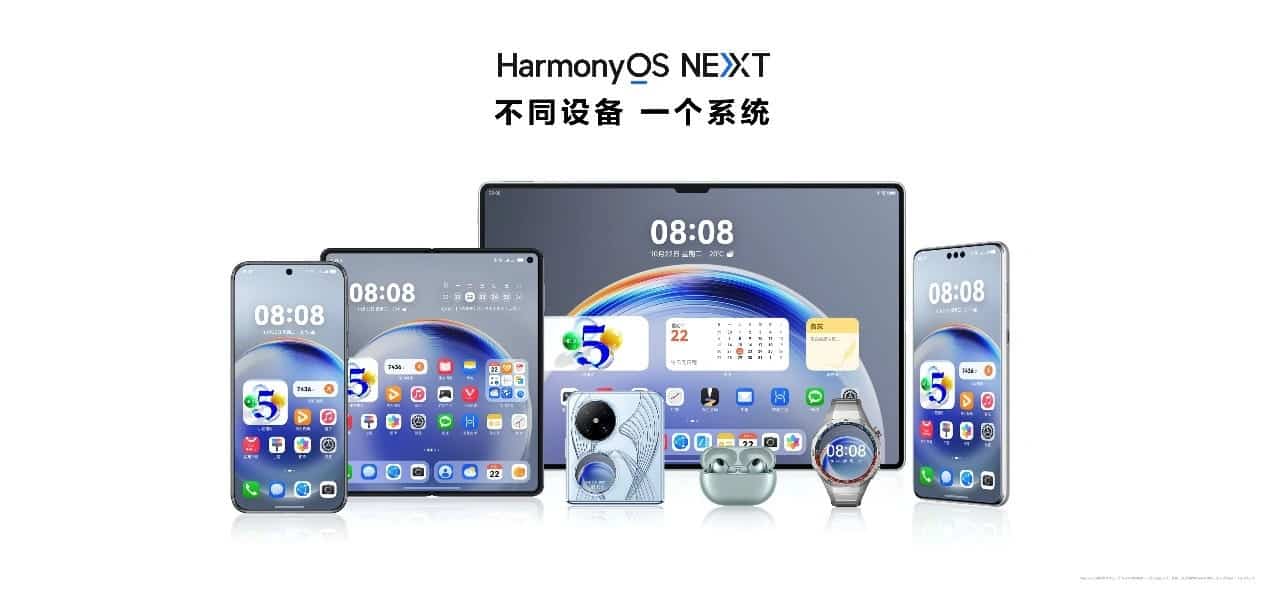
Huawei is preparing to take its HarmonyOS operating system into international markets, potentially giving users a new alternative to Android and iOS.
The company plans to begin pilot programmes in selected countries and regions, with broader overseas expansion dependent on the results, Huawei rotating chairman Xu Zhijun said at the HarmonyOS Ecosystem Conference 2026 in Shenzhen.
The August 28-29 conference marked a shift in Huawei’s approach to its operating system, which has largely been developed around the Chinese market since the company lost access to Google‘s mobile services following US restrictions.
Xu said Huawei would first test HarmonyOS in selected overseas markets before deciding on a wider consumer rollout.
«Based on validating the model and accumulating best practices, we aim to achieve the global-scale development of the HarmonyOS ecosystem and provide the world with a second option,» Xu said.
Huawei targets 100mn HarmonyOS 6 devices
Huawei is also betting on a rapidly expanding user base to strengthen its position against established mobile platforms.
The company expects HarmonyOS 6 to run on more than 100mn devices by the end of 2026. As of August 20, more than 80mn devices were already running the latest version, putting Huawei within reach of its target for the year.
The company sees the 100mn-device threshold as an important point for the ecosystem because a larger installed base can make it more commercially attractive for developers to create and maintain native applications.
Huawei said more than 100,000 native HarmonyOS applications have now been developed, while the total number of applications accessible on HarmonyOS smartphones has exceeded 400,000. The company expects the broader app ecosystem to pass that figure by the end of the year.
Global expansion becomes Huawei’s next test
Huawei’s domestic progress has given the company a foundation for its international ambitions, but expanding beyond China presents a different challenge.
The company must persuade developers to support HarmonyOS in overseas markets while competing against Android and Apple‘s iOS, which together dominate the global smartphone software market.
Xu identified international expansion as one of the two major challenges facing the HarmonyOS ecosystem, alongside developing new capabilities for the artificial intelligence era.
Huawei also plans to expand HarmonyOS beyond smartphones. Its strategy includes applications and services for PCs, vehicle systems and other connected devices, with the company seeking to build a wider ecosystem around its operating system.
The company has also been working with industry partners through the Global Intelligent IoT Consortium and launched the Hongtu Plan with the group during the conference. The initiative aims to bring chipmakers, module suppliers, device manufacturers and software developers together to accelerate HarmonyOS adoption across different industries.