Testing testosterone: Pentagon orders hormonal screening of US troops

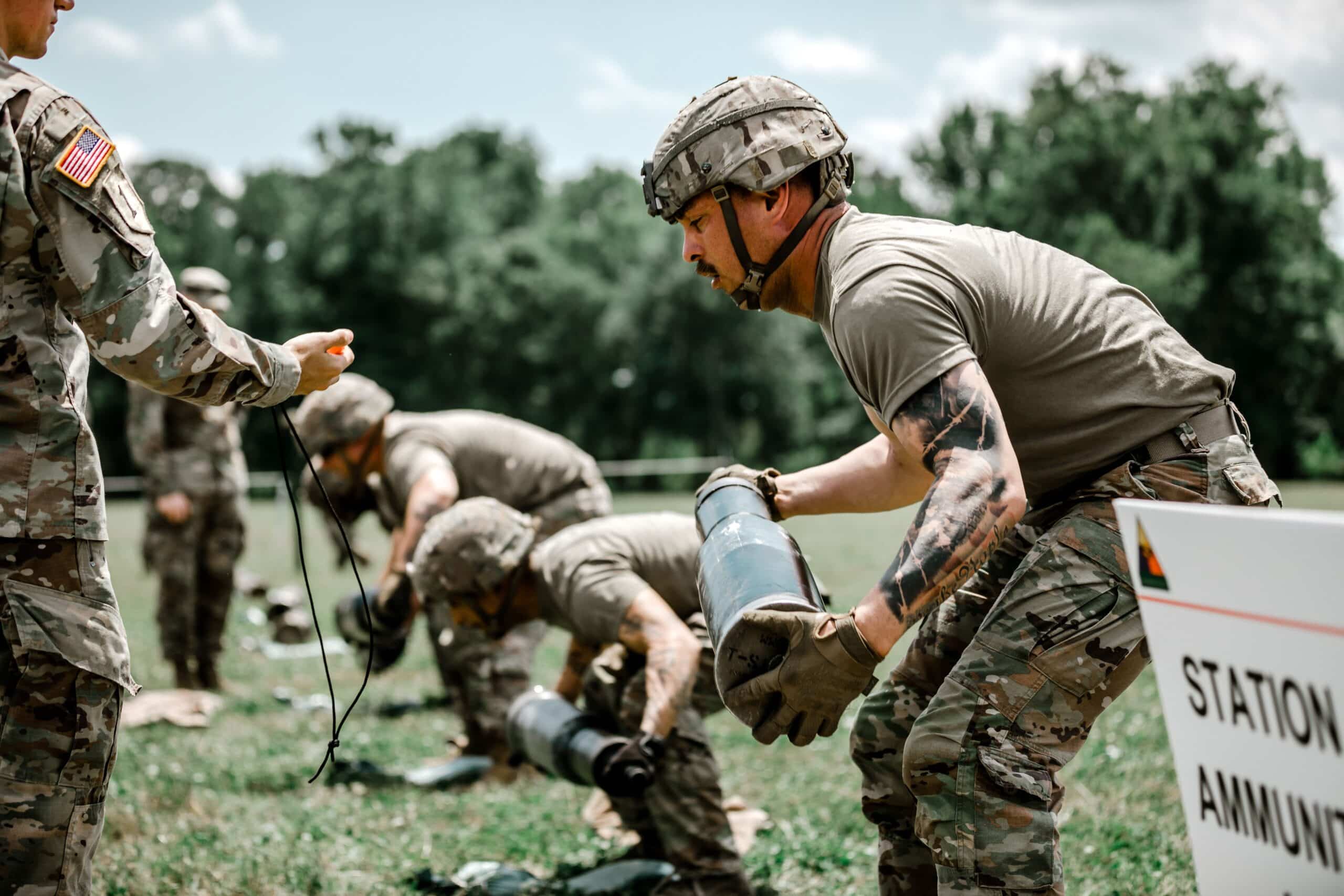
The US Department of Defense has released comprehensive clinical guidelines enacting a mandatory testosterone screening programme for military personnel. Taking effect immediately, the policy targets active-duty and reserve service members aged 30 and over.
Initiated by Defense Secretary Pete Hegseth following his July directive, the mandate aims to identify hormone deficiencies and optimise combat readiness. The Pentagon’s health guidance describes testosterone levels as a critical biological marker directly impacting physical strength, bone density, aerobic fitness, depressive symptoms and cardiovascular health.
The High-T Department of War. pic.twitter.com/hlAUq3j2cD
— Secretary of War Pete Hegseth (@SecWar) July 15, 2026
Military researchers have previously noted that high-stress deployments, blast exposures and traumatic brain injuries prevalent in combat roles can severely diminish these hormone levels over time. Conditions such as «Operator Syndrome» highlight how intense operational tempos disrupt standard physiological functions across the joint force.
Differentiated testing protocols
The new framework establishes distinct screening pathways based on age and sex. Men aged 30 and above face mandatory routine blood tests during their periodic health assessments. Younger male personnel will only undergo testing upon personal request or if military clinicians identify specific physiological warning signs.
The guidance does not require routine testosterone blood tests for female service members. Instead, medical staff will screen women for profound fatigue and disrupted menstrual cycles.
These symptoms often indicate hormonal dysregulation, low-energy availability or relative energy deficiency in sport. The document also provides specific criteria for prescribing off-label testosterone to postmenopausal women experiencing unusually low sexual desire.
While the diagnostic screening is compulsory for eligible troops, any subsequent medical intervention remains strictly voluntary. Service members diagnosed with a deficiency can freely choose whether to pursue testosterone replacement therapy without facing administrative penalties.
Medical community raises concerns
The aggressive push for force-wide endocrine testing has generated scepticism within the broader medical establishment. Several civilian doctors warn that implementing universal screening without existing clinical symptoms could trigger a wave of unnecessary medical interventions.
Health experts argue there is limited empirical evidence demonstrating that broad testosterone testing improves overall combat effectiveness. They caution that unwarranted hormone therapy carries inherent health risks that could ultimately harm troop welfare rather than enhance military lethality.
To address the growing debate surrounding the military’s new directive, the US Food and Drug Administration has scheduled a special advisory meeting. An independent panel of medical experts will convene in mid-September to evaluate the scientific validity and potential consequences of widespread testosterone use among otherwise healthy adults.