Complete list of Xiaomi devices receiving new HyperOS 4 update

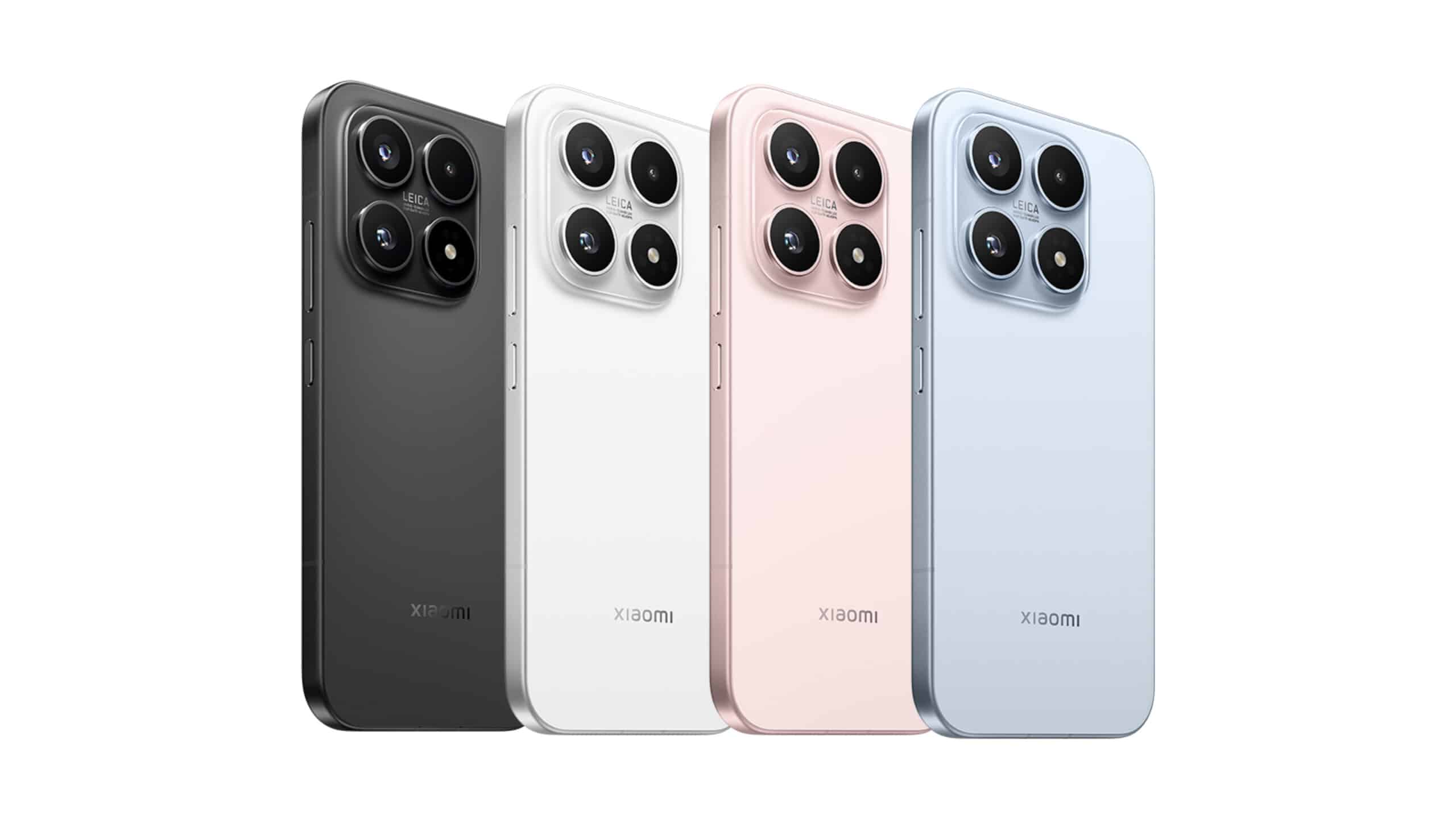
Xiaomi has initiated closed beta testing for HyperOS 4 in China. The new firmware, built on the Android 17 architecture, brings an array of visual enhancements, system optimisations and advanced artificial intelligence capabilities to a wide selection of smartphones and tablets. A global rollout is expected to follow the initial Chinese launch.
At the core of the update sits the new Soft Light Glass user interface. The design language uses advanced rendering to simulate light refraction and applies dynamic background blur that reacts fluidly to user interactions.
Under the hood, developers focused heavily on power efficiency and rendering speed. The resulting optimisations deliver substantially faster application launch times and nearly eliminate dropped frames during intensive tasks such as video playback. The update also introduces Super XiaoAi 2.0, a virtual assistant capable of processing complex, sequential cross-app actions and executing scheduled commands.
High-performance requirements for visual features
The aesthetic improvements demand significant processing power. Consequently, the Soft Light Glass UI effects will remain exclusive to flagship hardware.
To run the complete graphical suite, devices must feature a Qualcomm Snapdragon 8 Elite, a MediaTek Dimensity 9500, Xiaomi’s proprietary Xring O1 or a superior chipset. This hardware restriction means the full visual experience is reserved for premium models including the Xiaomi MIX Fold 2, MIX Fold 3, MIX Fold 4 and MIX Flip.
The effects will also appear on the Xiaomi 13, 14, 15 and 17 series, the Xiaomi 17T, the Civi 5 Pro and select tablets like the Xiaomi Pad 7S Pro, Pad 7 Ultra, Pad 8 and Pad 8 Pro. High-end Redmi models supporting the UI include the Turbo 4 Pro, Turbo 5, Turbo 5 Max, K Pad, K Pad 2 and the K70 (excluding the K70e), K80, K90 and K100 Pro series.
Complete catalogue of compatible hardware
While Xiaomi has only officially confirmed devices currently participating in the Chinese beta, a comprehensive unofficial roadmap outlines the broader upgrade path. This roster derives from standard software support cycles and the Android Enterprise Recommended registry. The following devices are scheduled to receive HyperOS 4:
- Xiaomi mainline series: Xiaomi 17, 17 Max, 17 Pro, 17 Pro Max, 17 Ultra, 17 Ultra Leica Edition, 17T, 17T Pro, 15, 15 Pro, 15S Pro, 15 Ultra, 15 Ultra Dual Satellite Edition, 15T, 15T Pro, 14, 14 Pro, 14 Ultra, 14T, 14T Pro, 13, 13 Pro, 13 Ultra, 13T and 13T Pro.
- Xiaomi Mix and Civi series: Xiaomi Mix Flip 2, Mix Flip, Mix Fold 4, Mix Fold 3, Mix Fold 2, Civi 5 Pro, Civi 4 Pro and 14 Civi.
- Xiaomi Pad series: Xiaomi Pad 8, Pad 8 Pro, Pad Mini, Pad 7, Pad 7 Pro, Pad 7 Ultra, Pad 7S Pro 12.5 and Pad 6S Pro 12.4.
- Redmi K series: Redmi K100 Pro, K100 Pro Max, K90, K90 Pro Max, K90 Max, K90 Supreme Edition, K90 Pro Max Champion Edition, K80, K80 Pro, K80 Ultra, K70, K70e, K70 Ultra and K60 Ultra.
- Redmi Turbo series: Redmi Turbo 5, Turbo 5 Max, Turbo 4, Turbo 4 Pro and Turbo 3.
- Redmi Note series: Redmi Note 15, Note 15 5G, Note 15 Pro, Note 15 Pro 4G, Note 15 Pro+, Note 14 4G, Note 14 Pro, Note 14 Pro 4G, Note 14 Pro+ and Note 14S.
- Redmi base models: Redmi 15, 15 4G, 15C 4G, 15C 5G, 14R 5G and A5 4G.
- Redmi Pad series: Redmi K Pad, K Pad 2, Pad 2, Pad 2 4G, Pad 2 Pro and Pad 2 Pro 5G.
- Poco F and X series: Poco F8 Pro, F8 Ultra, F7, F7 Pro, F7 Ultra, F6, F6 Pro, X7, X7 Pro and X6 Pro.
- Poco M, C and Pad series: Poco M8 5G, M8 Pro 5G, M7 4G, M7 5G, M7 Plus, C85 4G, C85 5G, C71, Pad X1 and Pad M1.