Pixel 11 Pro reviewers praise software but question value

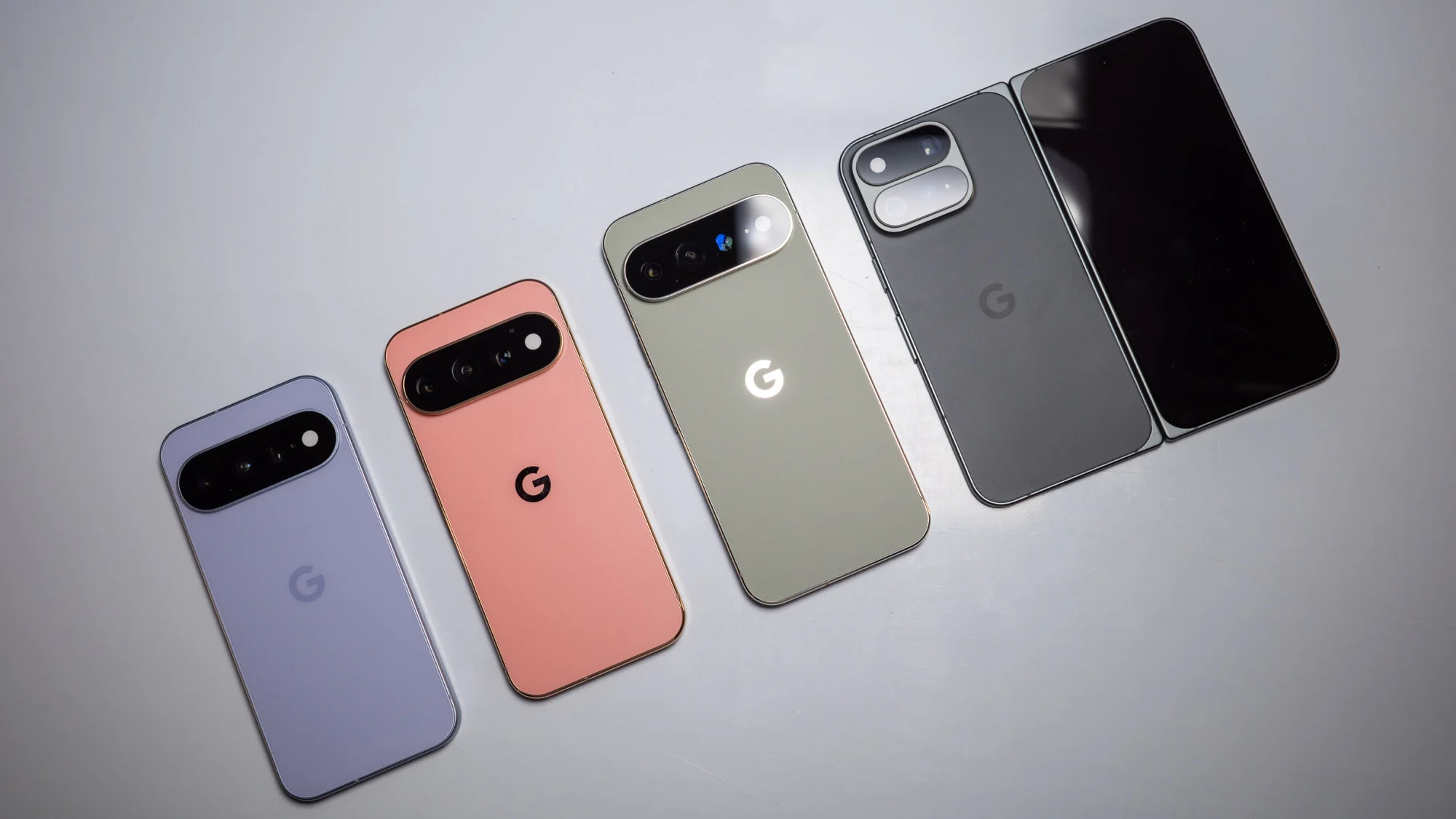
Google’s Pixel 11 Pro has earned broadly positive reviews despite a growing gap between its software strengths and hardware specifications.
After using the Pixel 11 Pro and 11 Pro XL for three weeks in a row, Android Authority praised their cameras, refined design, battery efficiency and software, while MKBHD reached a similar conclusion after using the Pro for two weeks across Spain, Ireland, Wisconsin and the US.
Both reviews point to the same central issue: Google’s flagship phones are becoming pricier without matching rivals on headline specifications. The Pixel 11 Pro starts at $1,099 with 12GB of RAM, while the Pro XL starts at $1,299. That is $100 more than the previous generation, and both models have less RAM than their predecessors.
| Pros | Cons |
| Cameras (50MP main camera; new, larger 48MP 5x telephoto sensor capturing 30% more light; new Camera Looks feature) | Price (Pixel 11 Pro starts at $1,099; Pro XL starts at $1,299 – $100 more than the previous generation) |
| Software (Rambler, Pause Point; polished Android experience) | RAM (both models have less RAM than their predecessors) |
| Battery Efficiency (improved battery life; 4.5 to 6+ hours screen-on time reported) | Processing/Graphics Performance (Tensor G6 lags behind Snapdragon 8 Elite Gen 5; GPU up to 58% slower than Samsung flagship) |
| Design (refined design; integrated magnets) | Charging Speeds (30W wired for Pro, 45W for XL; Extreme Charging Mode offers only modest gains) |
| Connectivity (improved via MediaTek M90 modem) | |
| Everyday Performance (smooth performance with Tensor G6) |
Tensor G6 improves efficiency, not performance
The Tensor G6 delivers smooth everyday performance and better efficiency, but it remains far behind Qualcomm’s Snapdragon 8 Elite Gen 5 in raw processing and graphics performance.
GPU performance could be up to 58% behind Samsung’s flagship in testing, Android Authority found, while MKBHD said the gap is particularly noticeable for demanding gaming and other enthusiast workloads.
Battery life has improved, with Android Authority recording between 4.5 and more than six hours of screen-on time on the Pro. Charging remains a major weakness: the Pro supports 30W wired charging, and the XL reaches 45W, while Google’s new Extreme Charging Mode offers only modest gains.
Cameras and software as Pixel’s strongest cards
The Pro keeps its 50MP main camera but adds a 48MP 5x telephoto sensor that captures 30% more light. Android Authority loved the telephoto camera, while MKBHD liked the 5x lens better than the main camera.
Google’s new Camera Look lets users adjust colour and contrast before taking a photo. The phones have Rambler for contextual voice typing, Pause Point for screen time management, and MediaTek M90 modems for better connectivity.
For MKBHD, that software experience remains the Pixel’s defining advantage. He argued that buyers looking for cutting-edge hardware should consider other flagships, while those prioritising Google’s polished Android experience may find the Pixel 11 Pro to be compelling.
Android Authority reached much the same conclusion: the Pixel 11 Pro is difficult to justify for existing Pixel 10 Pro owners but remains an attractive choice for users who value cameras, software, integrated magnets and reliable everyday performance.