Cotton picking begins in Uzbekistan. Can Türkiye help it escape cheap garment trap?

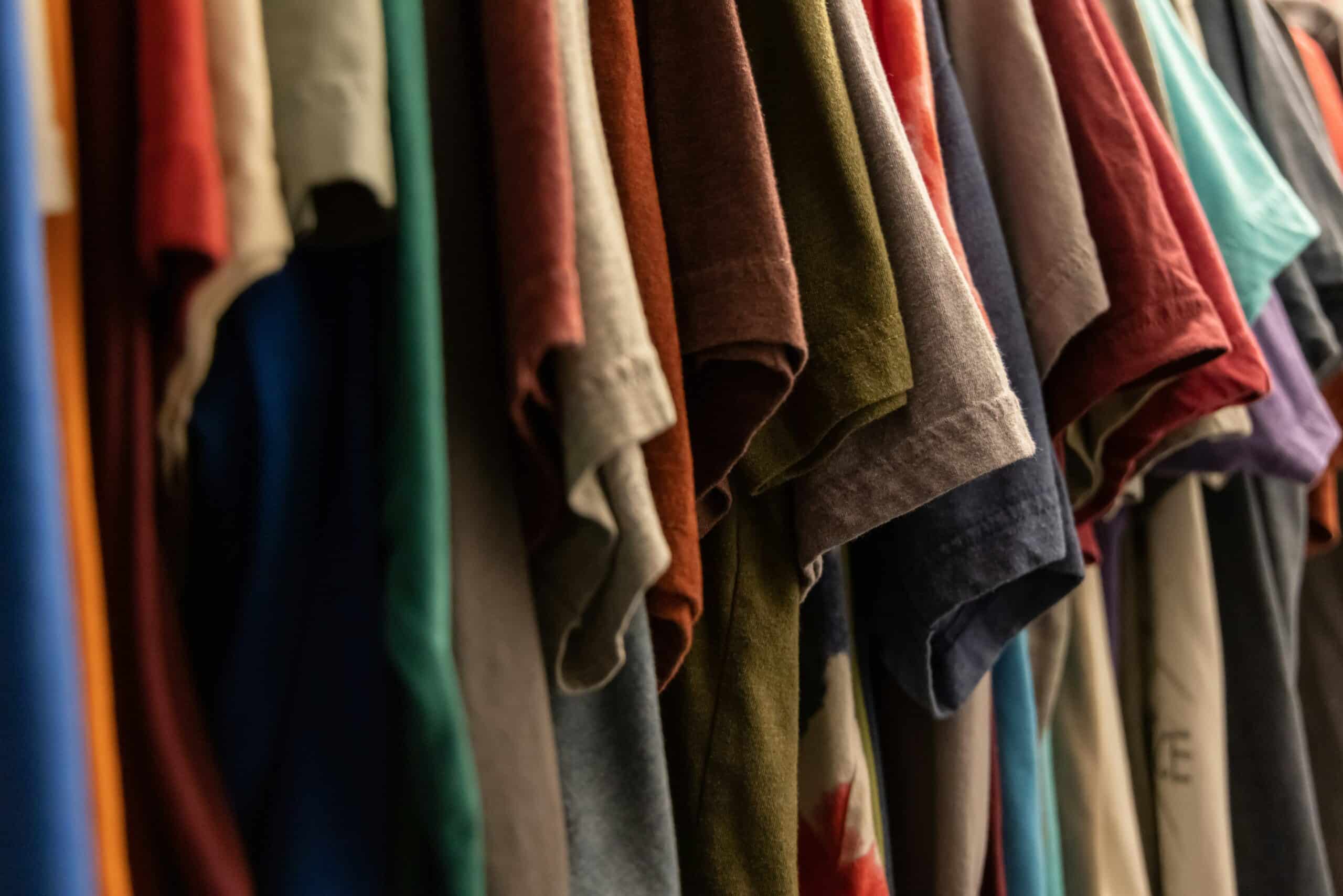
Cotton harvest is about to begin in Uzbekistan this autumn, with the country aiming for garments to account for 70% of textile exports by 2027. Cooperation with Türkiye could open a more profitable route through technical textiles, argues Turkish industry expert Mehmet Enes Beşer.
The latest trade data show that the transformation in Uzbekistan’s cotton sector has achieved considerable success. On 28 July, the National Statistics Committee reported that textile exports reached US$1.6 billion in the first half of 2026, an increase of 24.1 per cent compared with the same period of the previous year.
Finished textile products accounted for 52.6 per cent of this total, while yarn shared 31.1 per cent. But there is an important question here. What kind of industry will replace the old raw-fibre model? This will be the real test of the cotton reform.
From the outside, the most striking point in the Uzbek economy is the determination to develop garment exports. A 2025 presidential decree set a target of increasing the share of garments and knitted products in textile exports to 70 per cent by 2027.
This target of course sounds good and, if achieved, will make a real contribution to the economy.
Still, it should not be forgotten that this transformation may also trap the country in a highly competitive field built on short-term contracts, buyer pressure and constant comparisons of labour costs.

A brand may work with an Uzbek supplier today and move its order elsewhere tomorrow if another country offers a cheaper T-shirt. Cheap labour alone is therefore not sufficient. Much of the real value stays with the company that controls design, distribution and the customer. A genuine reform should therefore focus not only on supply but also on these areas that create the real value.
Read more: Silk, suzani and ikat: How textiles reveal Uzbekistan’s living heritage
Beyond the cotton garment cost race
Türkiye’s potential role begins exactly here. Türkiye is not a country known for cheap labour in the global market, but it has an important position in garment exports. Yet, as a result of the severe disruptions experienced by the Turkish economy in recent years, garment exports fell by 4.4 per cent in 2025.
Turkish firms are shifting their manufacturing to countries where labour is cheaper. Uzbekistan is also growing as a garment exporter. If both sides chase the same buyers, this competition will wear them both down and bring no lasting benefit. Joint production and marketing, however, can benefit both sides.
I am not talking about a simple «move supply to Uzbekistan» approach. Instead of massive production based on cheap labour, a Turkish–Uzbek partnership should focus on technical textiles. Specific fields such as flame-retardant fabrics, surgical nonwovens, filtration materials or geotextiles offer higher added value.

Read more: Uzbekistan and Turkey set $5bn trade target at strategic council meeting
In these products, the supplier must meet performance standards, document the chemicals used, pass laboratory tests and often work with the customer through a long qualification process. Such work makes engineering, finishing and certification much more important.
Türkiye has something useful to offer in this field. Technical textile exports rose to US$2.33 billion in 2025, with growth in nonwovens and special industrial applications. Turkish machinery manufacturers are also strong in knitting, dyeing and finishing equipment. But the bilateral model cannot consist only of Turkish machinery, Turkish chemicals and Turkish design installed inside an Uzbek factory.
Such an approach may modernise production, but it will not significantly enhance Uzbekistan’s technological control. Uzbek engineers should be included in formulation, testing and product development during joint product-development processes, and ownership of new designs and processes should be agreed from the beginning.
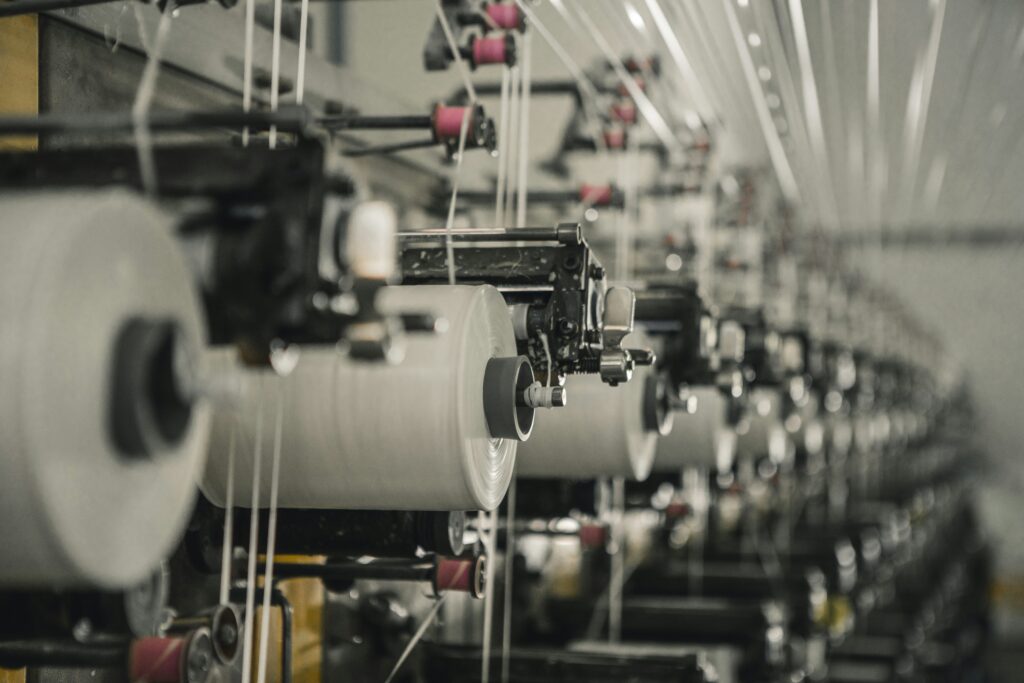
Protective textiles offer a reliable starting point for customers in mining, railways, construction, energy and emergency services. A Turkish–Uzbek consortium could develop antistatic, high-visibility and flame-retardant fabrics and then seek certification according to the standards required by specific buyers.
Medical textiles require more care. Producing gowns or drapes is not simply a matter of converting a garment line; material performance, sterilisation, clean production and medical regulations determine whether the product can be used in hospitals. Projects should start from the purchasing specifications of real customers, not from the government’s list of fashionable sectors.
Read more: USDA boosts Uzbekistan cotton production forecast for 2026/27 season
Building the skills behind technical textiles
The partnership also needs a different training model. Sewing courses can prepare many workers in a short time. Technical textiles need fewer but more specialised employees: textile chemists, process technicians, laboratory staff, maintenance engineers and designers who understand both the material and its final use.
Turkish companies should work with Uzbek technical colleges on programmes linked to specific production lines and recognised qualifications. Training should not end with a certificate ceremony; it should lead to clearly defined technical jobs with clear wage grades.
There is suitable political will in bilateral relations for this agenda. Türkiye and Uzbekistan reached a trade volume of around US$3 billion in 2025; the leaders of the two countries also established a business council and set a US$5 billion trade target. As long as political support for cooperation continues on both sides, progress will become easier.
Garments will remain important in the coming years, even if their form and fashion change. Uzbekistan should not abandon a sector in which it has built capacity. Producing more goods will increase export revenue on paper.
Read more: Shavkat Mirziyoyev: «We were indeed all slaves to cotton»
Still, the main aim should be to concentrate on higher-value products. The interests of both Türkiye and Uzbekistan overlap in this field. Hopefully, the rhetoric of brotherhood will not remain only on paper but produce concrete results in such specific and niche areas.