Apple rolls out iPhone Duo, 18 series, AirPods 5 and new Apple Watch

Apple unveiled the iPhone 18 Pro and iPhone 18 Pro Max on Wednesday, introducing a 2-nanometre A20 Pro processor, upgraded camera systems with variable aperture and a redesigned display cutout.
Apple’s September showcase delivered the expected annual upgrades: faster iPhone 18 Pro models, more adaptable cameras, smarter AirPods and new health tools for Apple Watch. Yet the device that changed the shape of the event — literally — was the iPhone Duo, Apple’s first foldable handset and the natural place to start our review.
It was also John Ternus’s first product launch as Apple CEO.
- Apple's 1st foldable: iPhone Duo's specs and price
- Fusion variable aperture and Reference Image
- Apple AirPods 5 with standard noise cancellation
- Apple confirms iOS 27 release
- visionOS 27 release date
- Apple Watch series 12 and Ultra 4
Apple’s 1st foldable: iPhone Duo’s specs and price
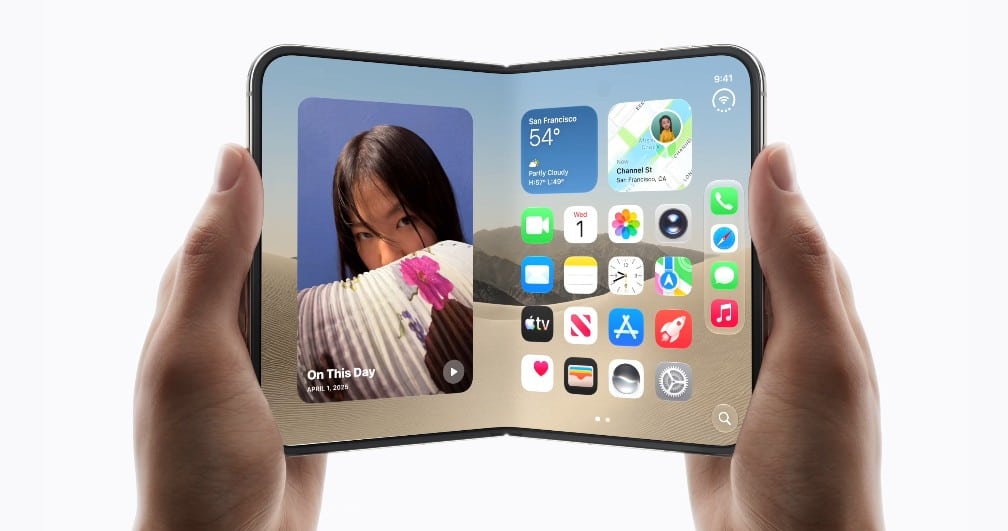
Apple has entered the foldable smartphone market with the introduction of the iPhone Duo. The newly unveiled flagship device features a book-style folding mechanism, dual displays and an advanced processing architecture designed specifically for the expanded form factor.
Priced from $1,999 for the 256GB base configuration, the handset introduces a 7.6-inch Super Retina XDR inner display coupled with a 5.4-inch outer screen.
Apple created a nano-texture finish that reduces screen glare and crease visibility to address flexible technology durability issues. Both displays have an Apple-exclusive scratch-resistant coating.
Advanced multitasking and processing
Powering the dual-screen hardware is the new A20 Pro chip, paired with a dedicated display engine capable of driving both panels simultaneously. A C2 cellular modem handles mobile connectivity.
To support the broader canvas, iOS introduces Split View multitasking, allowing users to pin video playback to the top half of the screen while operating separate applications below. The operating system intelligently adapts to various orientations and partial folds, complemented by a completely reimagined Standby mode.
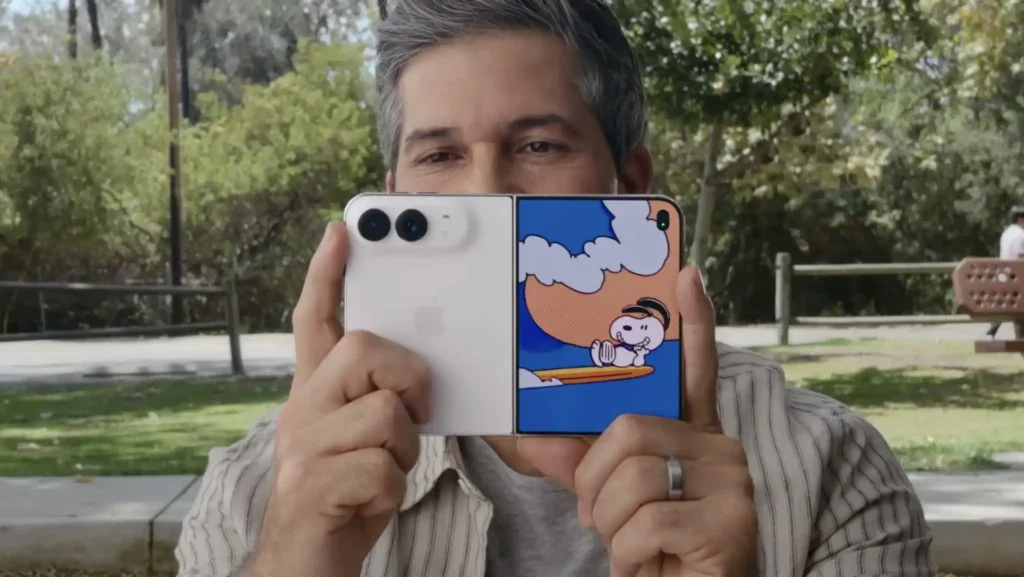


Battery capacity is physically divided across the two halves of the device. Continuous video playback reaches up to 31 hours when using the inner display, whereas relying exclusively on the outer screen extends longevity to 44 hours.
The camera array incorporates a 48-megapixel Fusion Main lens capable of 4K video recording at 120 frames per second alongside a 12-megapixel 2x optical zoom and a 48-megapixel Fusion Ultra Wide sensor. A 12-megapixel Centre Stage camera sits on the exterior display, while a secondary FaceTime camera remains concealed beneath the inner folding screen.
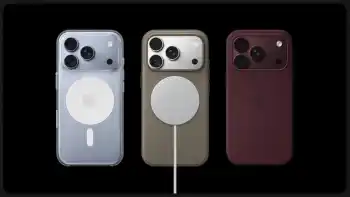
Apple confirmed that Apple Pencil functionality will arrive later this year. The company is also launching bespoke accessories, including a kickstand Folio and a dedicated two-piece protective case. Pre-orders commence on 16 October ahead of widespread retail availability on 23 October.
Fusion variable aperture and Reference Image
The camera system centres on a 48-megapixel Fusion main lens equipped with variable aperture technology on both the Pro and Pro Max variants. The system automatically adjusts the lens opening to control light intake and narrow depth of field depending on the scene.
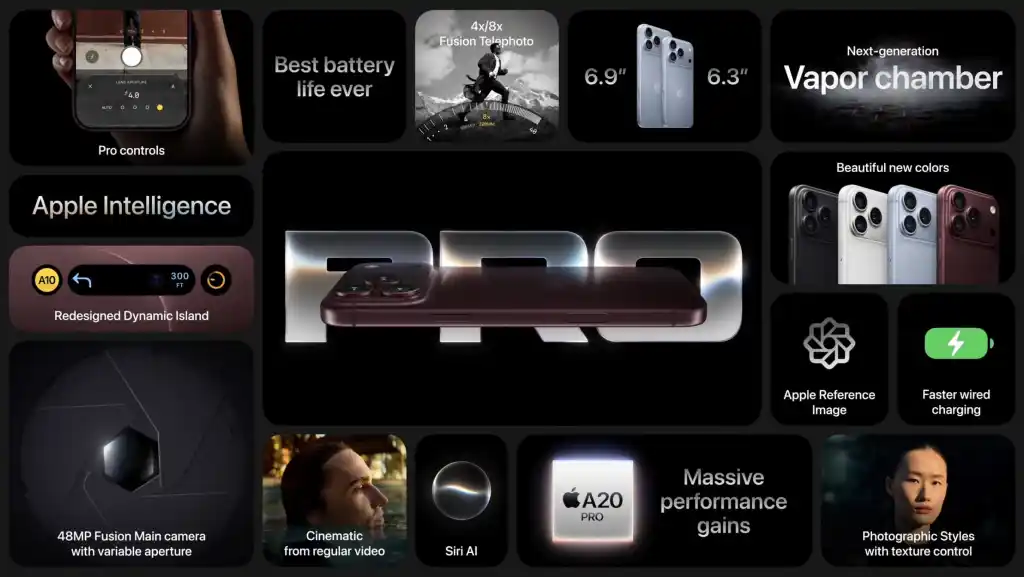
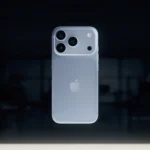
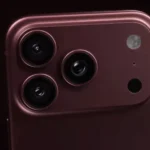
Manual controls within the camera application now allow direct adjustments to shutter speed, aperture and white balance. To combat digital manipulation, Apple introduced a metadata verification feature called Reference Image, which stores original source files alongside user edits to verify photo authenticity against synthetic AI generation.
Battery performance has expanded across the line-up. The standard iPhone 18 Pro matches the battery life of last year’s 17 Pro Max, while the iPhone 18 Pro Max delivers up to 30 hours of playback alongside faster wired charging. Pre-orders open on 12 September ahead of official availability on 18 September. Prices have increased by $100 across the range, with the iPhone 18 Pro starting at $1,199 for 256GB, alongside a new 2TB storage tier, and the iPhone 18 Pro Max starting at $1,299.
Apple AirPods 5 with standard noise cancellation
Apple unveiled the AirPods 5, bringing active noise cancellation to all models of its entry-level wireless earbuds.
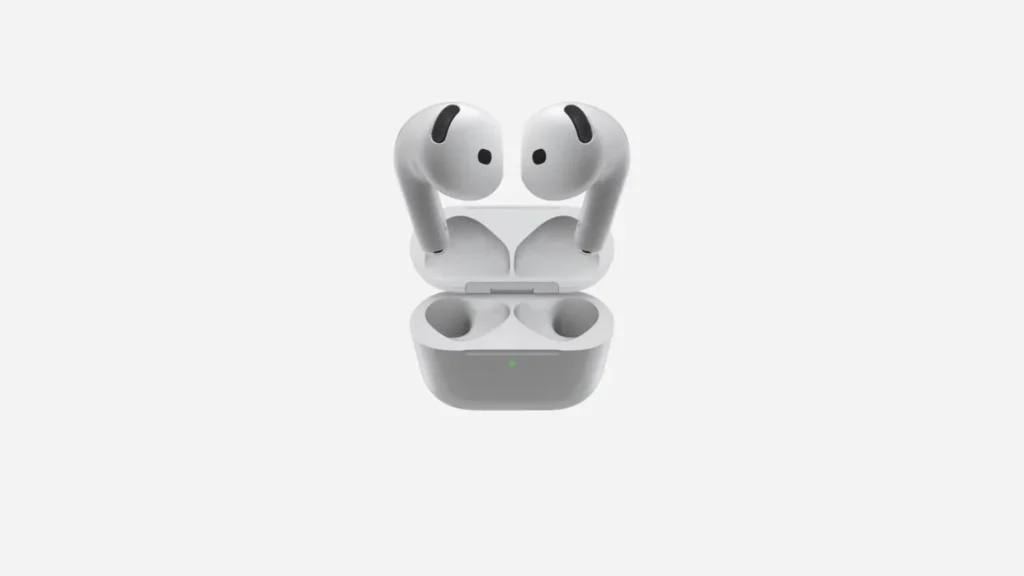



Priced at $129, the base model AirPods 5 maintain the starting cost of the previous generation while introducing capabilities previously reserved for higher-tier products. The company announced that both versions of the new earbuds now include active noise cancellation. This marks a notable departure from the AirPods 4 lineup, where the feature was exclusive to the more expensive variant.
The updated earbuds feature completely redesigned internal components and deliver a 50% reduction in ambient noise compared to their predecessors. Apple has also integrated next-generation Adaptive EQ and enhanced Personalised Spatial Audio, which improve overall sound quality.
A premium version of the AirPods 5 is available for $149. This higher-end model adds on-stem volume controls akin to the AirPods Pro and includes a wireless charging case.
Customers can pre-order both configurations of the AirPods 5 immediately, with official retail availability and shipping scheduled to begin on Friday, 18 September.
Apple confirms iOS 27 release
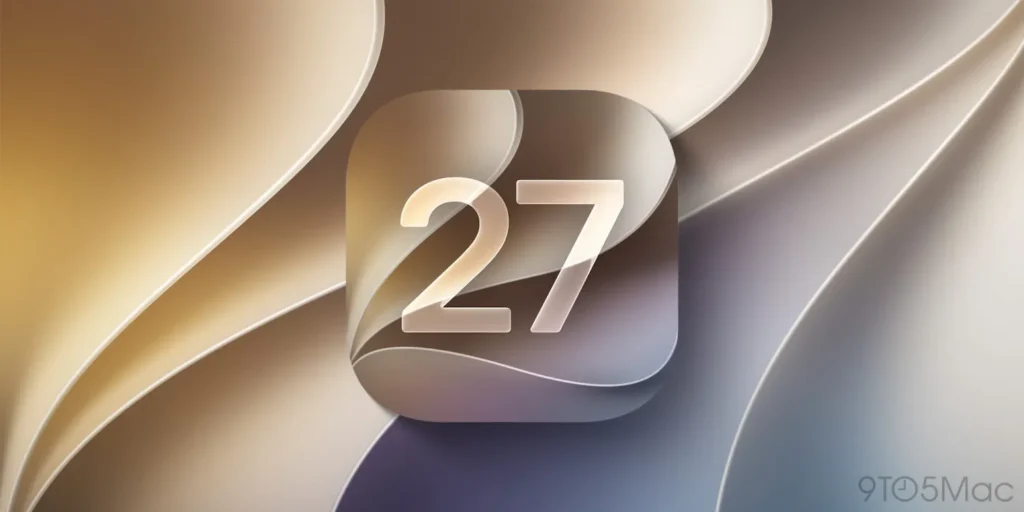
Apple confirmed during its highly anticipated «Surprise and Shine» hardware presentation that iOS 27 will officially launch to the public on Monday, 14 September. The major software update will be available as a free over-the-air download for supported devices worldwide, powering the newly announced flagship iPhone 18 Pro and iPhone 18 Pro Max from the start.
The operating system initially debuted earlier this year at the annual Worldwide Developers Conference and has undergone rigorous developer and public beta testing over the summer months to ensure stability. According to the technology giant, while the update will be widely accessible, specific features might be restricted depending on regional laws, supported languages or local data regulations.
Next-generation Siri integration
At the core of the iOS 27 experience is a completely overhauled Siri AI. Developed in collaboration with Google’s Gemini models, the revamped virtual assistant now operates through a dedicated standalone application but remains easily accessible via a downward swipe from the Dynamic Island on the primary home screen.
The latest Apple Intelligence framework and proprietary Apple Foundation Models fundamentally drive this functionality. These integrated systems process complex tasks dynamically, intelligently shifting between immediate on-device execution and robust server-side processing via the highly secure Private Cloud Compute infrastructure.
Interface refinements and performance
Beyond artificial intelligence capabilities, the system update introduces several notable visual refinements to the daily user interface. The heavily promoted Liquid Glass aesthetic now features a dedicated settings slider, granting users precise manual control over the visual transparency effect applied to various interface elements.
Furthermore, the company claims significant foundational performance enhancements across the entire system architecture. Users should expect noticeably faster application launch times, significantly quicker loading within Photos and the default Camera app, expedited AirDrop file transfers and much smoother connectivity transitions between Wi-Fi and mobile data networks.
Extensive device compatibility
Device compatibility remains remarkably broad across the current product lineup. Essentially, if a device currently runs iOS 26, it is fully eligible to receive the iOS 27 update. The extensive list of supported smartphones includes the iPhone 18 Pro, iPhone 18 Pro Max, iPhone 17, iPhone Air, iPhone 17 Pro, iPhone 17 Pro Max, iPhone 16e, iPhone 16, iPhone 16 Plus, iPhone 16 Pro, iPhone 16 Pro Max, the entire iPhone 15 range, the iPhone 14 series, the iPhone 13 lineup, all iPhone 12 models, the iPhone 11 series and the second-generation iPhone SE or newer.
Industry observers presume the software will also power the highly anticipated upcoming device tentatively referred to as the iPhone Duo, though Apple has yet to officially confirm the product’s final branding or internal specifications.
visionOS 27 release date



Apple announced the official release date for visionOS 27. The next major software update for the Apple Vision Pro will be available to all users on Monday 14 September.
While the September presentation traditionally centres on new physical devices, the technology giant also took time to detail its upcoming software rollout. The new operating system will debut alongside other major updates, including iOS 27 and macOS Golden Gate.
The latest iteration of visionOS introduces a range of capabilities designed to enhance spatial computing. Highlighting the upgrade is the integration of Siri AI and a dedicated Siri application. This includes a new visual intelligence feature that allows users to ask the digital assistant questions about real-world objects they are currently viewing.
Apple Watch series 12 and Ultra 4
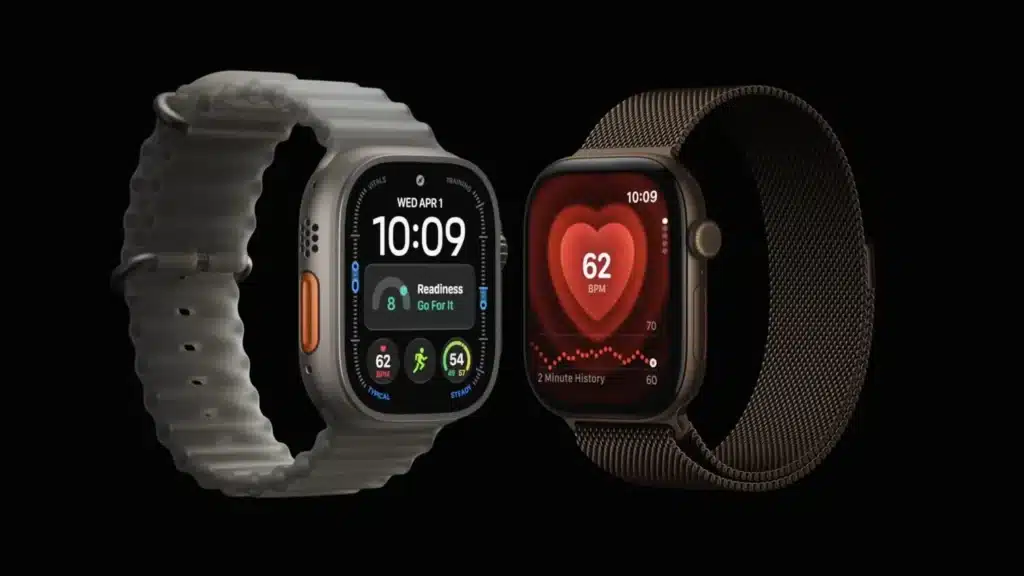

Apple introduced the Apple Watch Series 12 and Apple Watch Ultra 4 on Tuesday, highlighting a significantly upgraded health sensing system alongside new audio transcription capabilities.
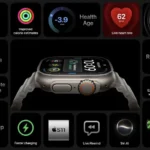
At the core of both smartwatches is an advanced heart rate monitor that the technology giant claims is the most accurate sensor ever placed in a wearable device. The hardware now captures heart rate data every five seconds, representing a 60-fold frequency increase over prior generations, while measuring heart rate variability every five minutes. This granular data feeds into a new readiness metric that evaluates a user’s daily condition based on recent activity, sleep patterns and vital signs.
Audio Intelligence and expanded finishes
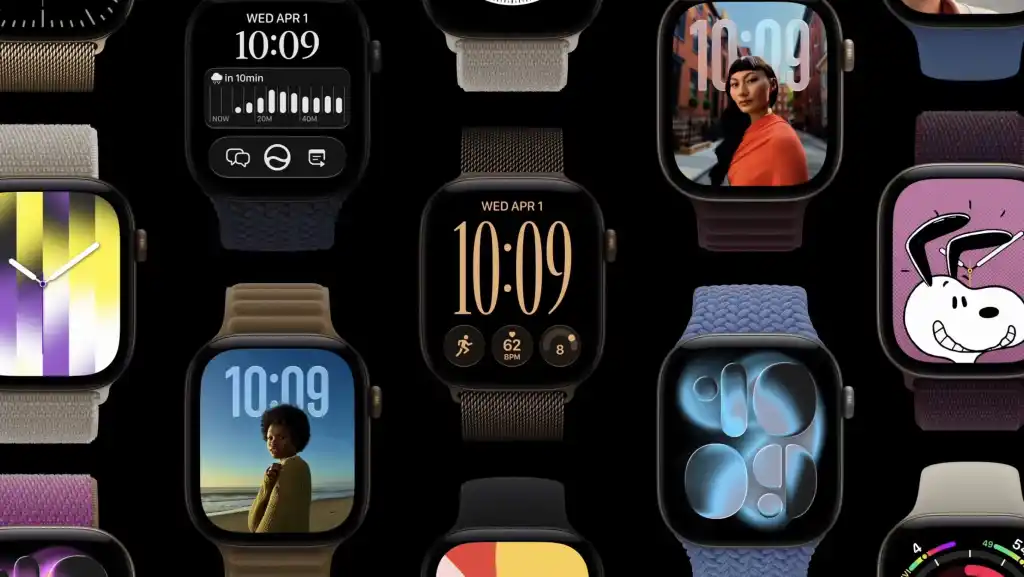
The devices are powered by the new S11 silicon chip, which incorporates CPU, GPU and Neural Engine architecture derived from the A20 Pro processor. This internal upgrade facilitates a new Audio Intelligence suite.
Users can now rely on environmental sound recognition for alerts like doorbells or activate a live rewind function by double-clicking the Digital Crown to view a 15-second transcription of recent spoken dialogue. Additionally, an updated Siri assistant can now summarise meetings from audio notes and features a dedicated Siri Modular watch face.
The Series 12 is available in space grey, black, light gold and bronze aluminium cases protected by Ceramic Shield 2 glass. The lineup also sees the return of ceramic models in pearl white and dark blue, while Hermes offers a new gold variant. The rugged Apple Watch Ultra 4, featuring over two days of battery life, retains its black and natural titanium options but introduces a new titanium band alongside radiant gold and natural polished titanium finishes.
Both the Series 12 and Ultra 4 are available for pre-order immediately ahead of an 18 September retail launch. Prices remain unchanged from the previous generation, starting at $399 and $799, respectively.