US diesel prices hit record highs — what went wrong?

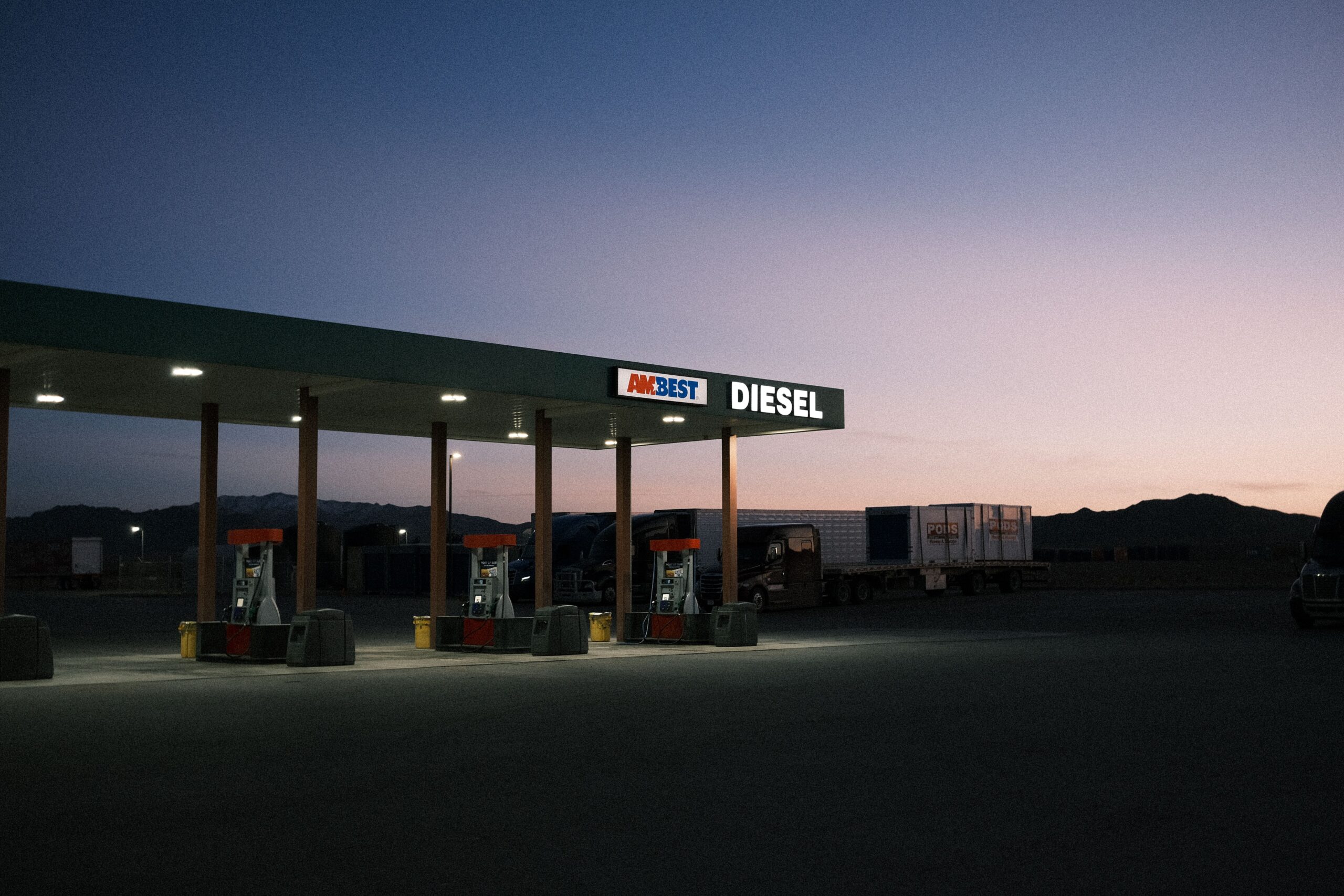
US diesel prices have reached record nominal levels as farmers enter the busiest part of the harvest. But the problem is not just expensive crude. America is running low on comfortable diesel stocks, while worldwide refinery outages send more US fuel overseas.
Earlier this week, average diesel reached about $6.29 a gallon, roughly 68% above a year earlier, Reuters reported. Farmers are among the first to feel the impact because tractors, combines, irrigation equipment, and trucks moving crops to market all rely heavily on diesel.
American refineries actually produced an average 5.1 mln barrels of distillate a day between January and August, the most since 2019. Refinery utilisation was at 97% in the week ending 11 September.
The issue is what happened around that production.
The US is making plenty of diesel — so what went wrong?
Global supplies of diesel and other distillates have tightened as refining activity has fallen in Russia, China and the Middle East. That has lifted international prices, increased the cost of imported fuel and driven up demand for US diesel exports.
Therefore, US net exports have been at or above their five-year high since February. As is usual in summer, domestic inventories did not build and, on September 11, were 15.8 million barrels, or 13% below the five-year seasonal average.
Read the backstory: Houthis pile pressure on Bab el-Mandeb. Here is what it means for oil markets and global trade
That dearth is evident in the «crack spread» — the difference between the price of crude oil and the wholesale price of fuel refined from it. The US diesel crack spread broke above $100 a barrel for the first time in August, a signal of extremely tight supply and unusually profitable refining margins.
Why the West Coast hurts even more
Geography compounds the problem in California and neighbouring states.
West Coast fuel systems rely on isolated pipelines and river networks that connect most of the US. That makes replacing refinery outages with imported fuel harder and more expensive. Local fuel specifications and taxes raise retail prices.
Middle East disruption continues to pressure energy markets. Attacks on Saudi infrastructure and shipping routes have raised oil prices and heightened supply concerns.
Read also: Trump rejects Saudi request for US strikes on Houthis — media
Autumn brings refinery maintenance as agricultural diesel consumption rises during harvest, while winter increases heating oil demand, which is chemically similar to diesel and competes for distillate. The International Energy Agency predicts low inventories and high prices in the coming months.
