Bitcoin hovers above $85,000 — why is it rising now?

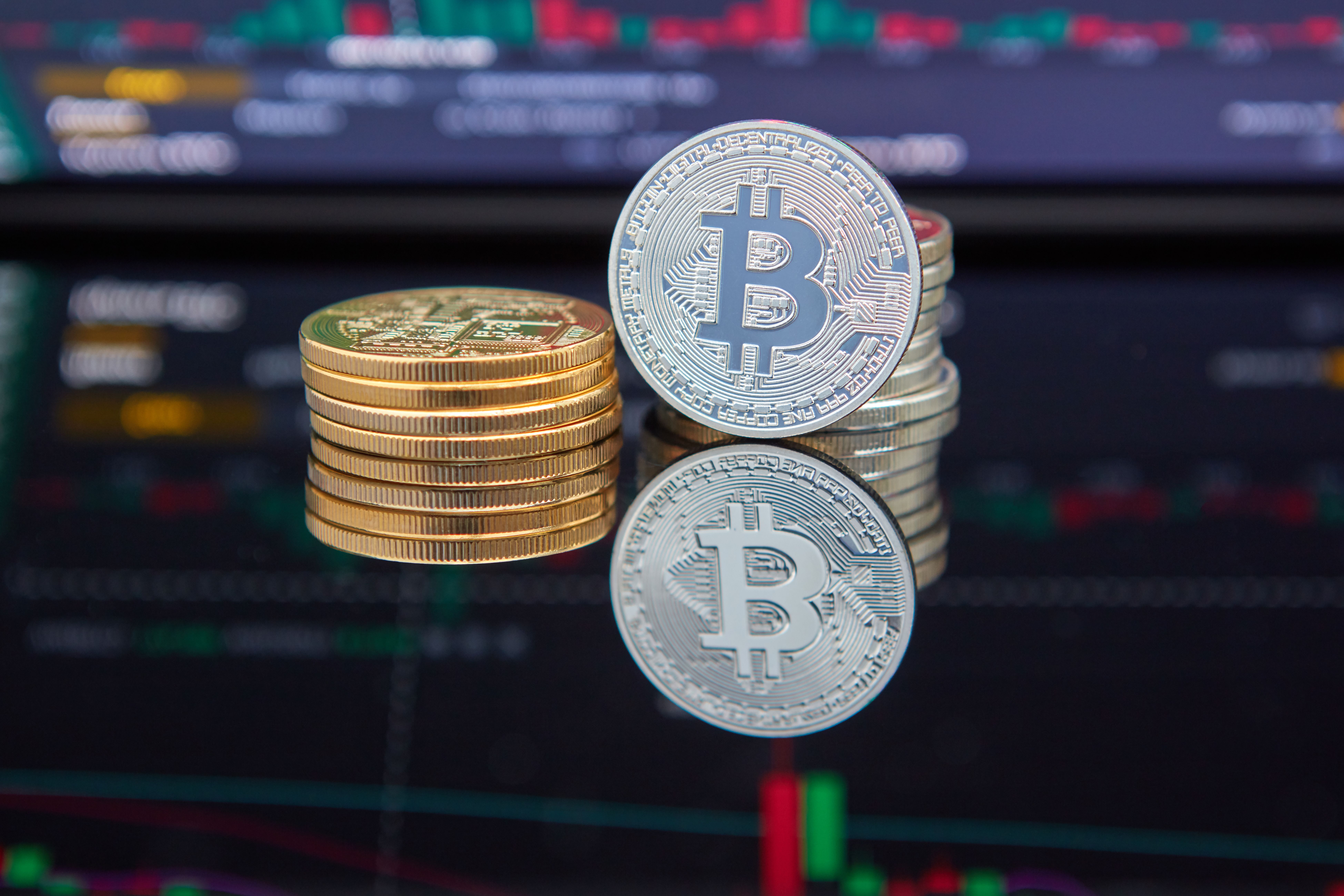
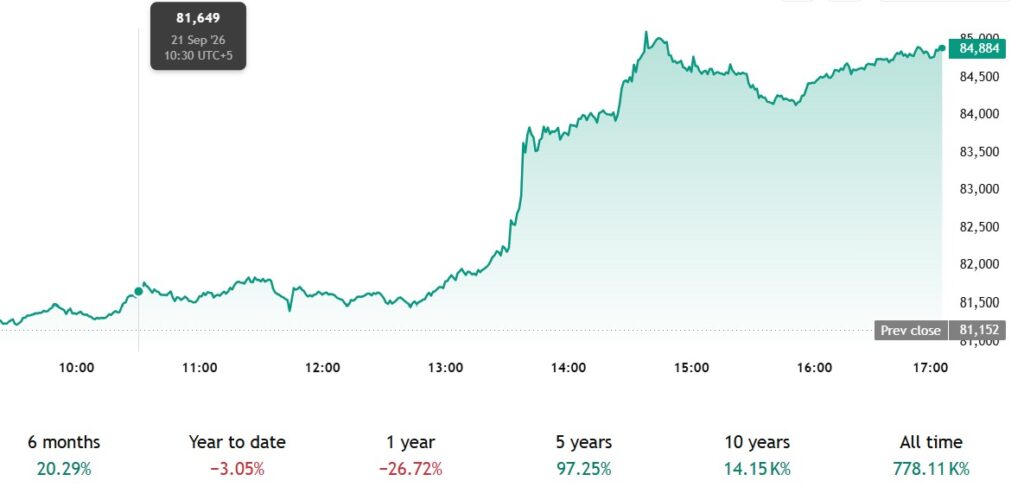
Bitcoin has surpassed $85,000 for the first time in eight months on Monday, extending a rally that has gained more than 30% since 19 August. The most surprising aspect is what the cryptocurrency has managed to ignore on its way up.
The US Federal Reserve recently raised interest rates by 25 basis points, which is typically bad news for highly speculative assets, and the US Senate failed to advance the Clarity Act, which was expected to provide a clearer regulatory framework for the crypto industry. Bitcoin initially stumbled in response to both developments but then resumed its upward trend.
The answer appears to be a combination of new institutional money, traders unwinding bearish bets, and a general return to risk appetite as oil and bond yields fall.
ETF money is coming back
Demand for crypto ETFs is a key support for the rally.
Bitcoin has held above $80,000, which repeatedly capped earlier attempts to move higher because of stronger ETF inflows, according to Wall Street Journal analysts. Bitcoin often attracts more money after clearing a technical level.
That’s a big change from late June, when Bitcoin fell below $60,000 and «crypto winter» fears returned.
Read more: Bitcoin tumbles to 2026 low as fresh «crypto winter» grips digital assets
Bitcoin gained 25% in less than a week after 19 August due to a crypto fund rush and bearish position closings.
The Monday’s rally is not entirely due to investors discovering Bitcoin. Institutional money returns after months of weakness.
Short sellers help push it higher
The second force is more mechanical.
Bitcoin traders who bet it would fall had to close their positions as the price rose. Buying back an asset to close a short position adds demand and accelerates a rising market.
Short covering, ETF inflows, and improving regulatory expectations drove the latest move, according to Zaye Capital Markets analyst Naeem Aslam.
This scenario explains why Bitcoin has recovered faster from the Clarity Act’s failure. After the legislation failed last week, the market fell below $76,000, but buyers returned immediately.
Read also: Uzbekistan issues 14th crypto shop licence as market expands
Falling oil gives breathing room
Bitcoin is also benefiting from what is happening outside crypto.
As investors awaited Middle East diplomatic progress, oil prices fell again on Monday. Lower crude prices lowered the 10-year US Treasury yield below 5%, relieving pressure on equities and other risk assets.
US stock futures rose alongside Bitcoin, especially in tech and AI stocks, suggesting Monday’s move was a risk-on trade.
The backstory: Houthis pile pressure on Bab el-Mandeb. Here is what it means for oil markets and global trade
Another catalyst is imminent. Investors hope the Thursday Trump–Xi Jinping meeting will reduce trade uncertainty before the tariff truce expires in November. US-China tensions easing would boost risk assets like crypto.