Why Pakistan and Afghan Taliban keep fighting — and how they became foes

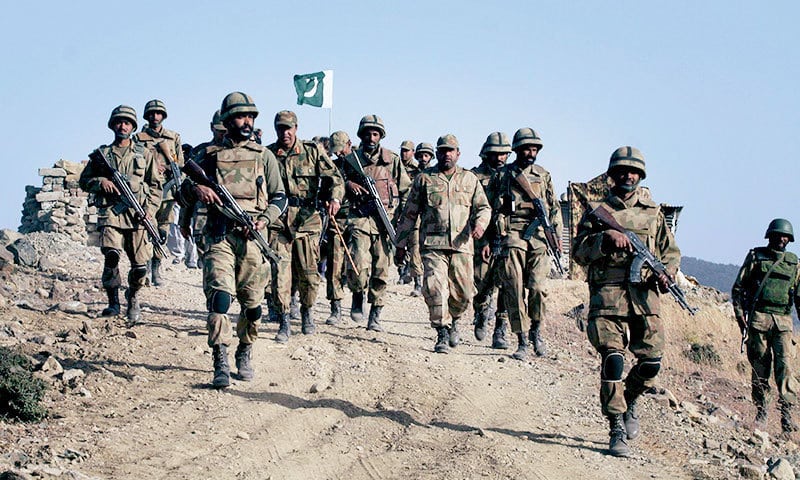
Pakistan launched fresh air and drone strikes on 10 locations inside Afghanistan on Thursday, saying they were being used to store and launch drones against Pakistani targets, according to AFP. The latest escalation stems from a toxic mix of militant safe-haven accusations, an unresolved frontier and the collapse of Pakistan’s decades-old relationship with the Afghan Taliban.
The dispute revolves around the Tehreek-e-Taliban Pakistan, or TTP, also known as the Pakistani Taliban.
It is distinct from the Taliban, which governs Afghanistan, despite their ideological, historical, and personal similarities. The TTP, which was formed in 2007, seeks to overthrow Pakistan’s existing political order and impose its interpretation of Islamic law.
The two Talibans are not the same
Islamabad claims that TTP leaders and fighters operate from sanctuaries across the Afghan border and use them to plan attacks inside Pakistan. Kabul has repeatedly denied harbouring the group, claiming that Pakistan’s militancy problem is primarily an internal one.
However, independent UN assessments support Pakistan’s concerns. A UN monitoring report estimated that the TTP had around 6,000 fighters spread across several Afghan provinces, while a 2026 assessment found that Afghan authorities continued to give the group more freedom and support while taking limited steps to restrain it.
Read more: Pakistan launches military strikes in Afghan border provinces
Pakistan once helped the Afghan Taliban
Pakistan supported the Afghan Taliban from its rise in the 1990s and maintained links with the movement during the two decades of US-led intervention in Afghanistan. Islamabad saw a friendly government in Kabul as useful both for securing its western frontier and limiting Indian influence in Afghanistan.
When the Taliban returned to Kabul in 2021, Pakistan initially welcomed the change.
Instead, relations deteriorated. The TTP gained momentum after 2021; attacks inside Pakistan increased, and the Afghan Taliban proved unwilling — or, according to some analysts, were unable to dismantle a movement whose fighters had previously backed its war against US and Afghan government forces.
For Islamabad, that appeared to be betrayal. For Kabul, Pakistani demands to act against the TTP came across as interference backed by military threats.
Read more: Pakistan and Afghanistan trade fire as more than 100,000 are displaced
A border dispute older than Pakistan
British India and Afghanistan drew the 2,600 km Durand Line in 1893. It cuts through predominantly Pashtun areas, and successive Afghan governments have never accepted it in the way Pakistan would like. The Taliban have also challenged Pakistani attempts to fence parts of it.
That dispute makes almost every security problem harder. Militants, families and tribes have long moved across a frontier that Islamabad treats as an international border but which many Afghans regard as an imposed colonial division.
Why the fighting keeps coming back
After a militant attack in Pakistan, officials accuse the perpetrators of being from Afghanistan. Pakistan then targets suspected bases across the border. Kabul condemns the operation as a violation of sovereignty and responds, often along the border.
This pattern resulted in the neighbours’ worst fighting in years in early 2026, and it has resumed after roughly three months of relative calm. The current escalation comes after another deadly attack on Pakistani security forces, which was followed by another strike on targets in Afghanistan.
Read more: Uzbekistan calls for ceasefire after Afghanistan–Pakistan border clashes
Turkey, Qatar, Saudi Arabia, and China have each attempted to mediate. None have yet resolved the fundamental disagreement: Pakistan wants Kabul to neutralise the TTP, while the Taliban government opposes Pakistan’s right to use military force in Afghanistan.