Apple struggles with iPhone Duo hinge as defect rate hits 40%

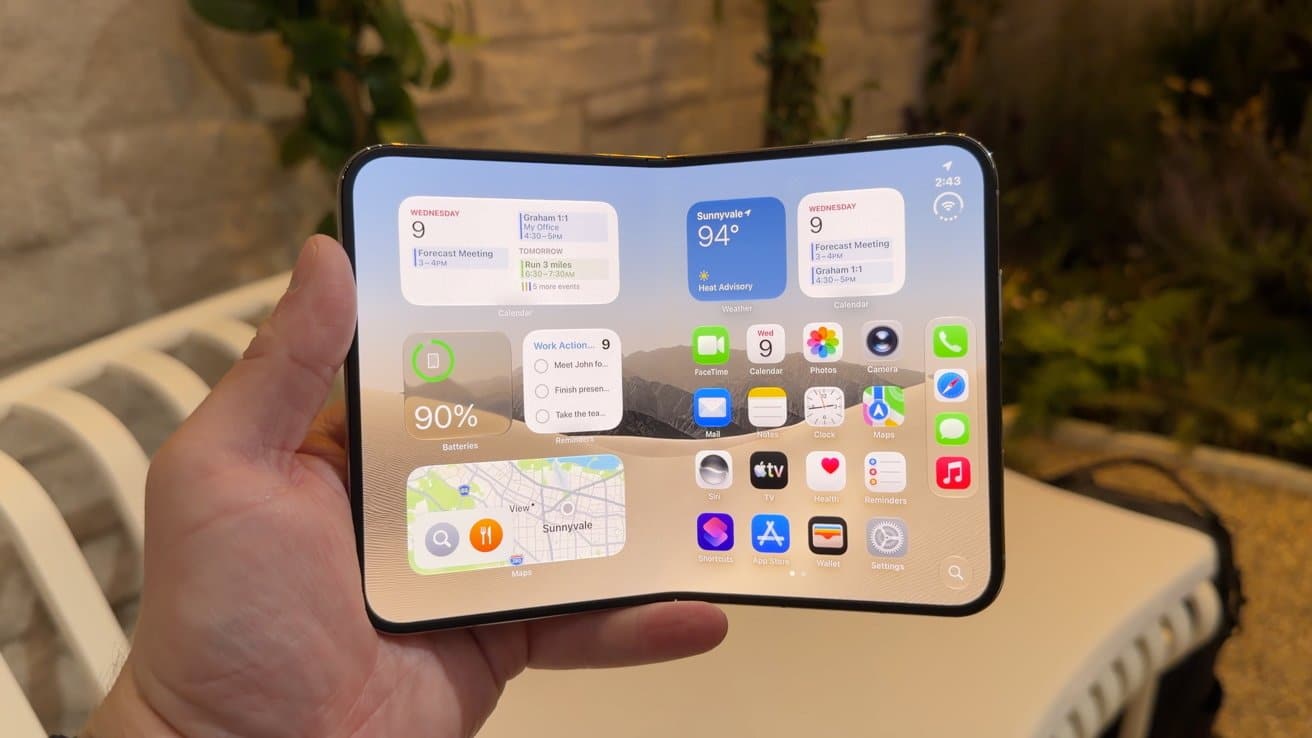
Apple is experiencing severe manufacturing difficulties with its inaugural foldable smartphone, as the production defect rate for the iPhone Duo has reached 40%.
The high failure rate stems directly from the complex engineering required to perfect the device’s folding screen mechanism and minimise the visible crease.
To reduce the handset’s overall footprint, the tech giant relies on a densely packed internal architecture featuring ultra-thin steel battery casings and a compressed vapour chamber. Chinese suppliers provide the bulk of these specialised components.
Lens Technology developed the custom ultra-thin glass, Lingyi produces the intricate hinge mechanisms, display support plates and cooling elements while Zhuhai Guanyu manufactures the battery cells. Additional regional partners supply the testing equipment and cooling control systems.
Production timeline and issues
These manufacturing hurdles explain the unusually long gap between the product’s initial announcement and its retail availability. Apple unveiled the iPhone Duo on 10 September, but pre-orders will not open until 16 October ahead of a 23 October launch. This 43-day delay contrasts with the company’s traditional turnaround time for flagship releases, which typically average just 10 days from presentation to store shelves.
The production struggles have impacted the device’s initial shipment volumes. Supply chain sources indicate Apple plans to build just 6mn to 8mn iPhone Duo units globally throughout 2026. The company intends to allocate slightly more than 5mn of these devices to its retail partners.
This output represents a highly conservative launch volume for the technology giant. By comparison, individual models within the standard iPhone Pro and Pro Max ranges routinely achieve between 20mn and 30mn global shipments over their respective lifecycles.