Sticks, cables, punches: Beatings become classroom routine under Taliban

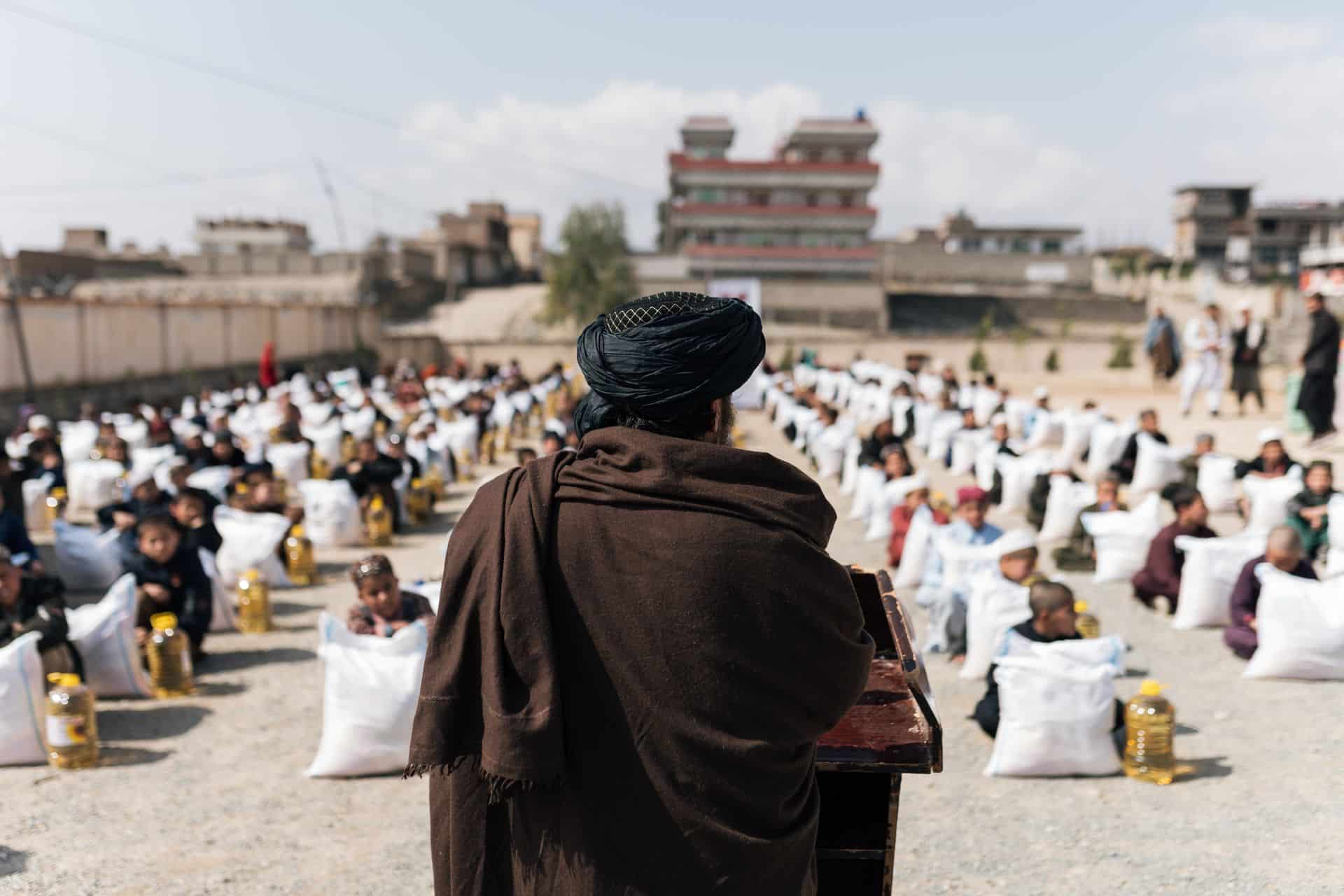
Afghan teachers describe hitting students with sticks and plastic cables, while colleagues allegedly kick and punch children. That’s according to a harrowing report describing classroom violence, overcrowding, staff shortages, and financial hardship.
One female teacher described colleagues boasting about assaults in staff gatherings: «Today I had a free fight with a student.»
Her testimony appears in Schooling Under the Taliban Era, a September 2026 report by Maryam Safi, a research fellow with the Raoul Wallenberg Institute of Human Rights and Humanitarian Law.
The study draws on 65 interviews conducted between May and November 2025 with teachers, parents, experts and three students. It documents individual experiences rather than measuring how widespread abuse is nationally.
Read more: Uzbekistan supports UN resolution condemning Taliban restrictions
Beatings in overcrowded classrooms
Teachers interviewed for the report described classes of 60–70 pupils, compared with 30–40 previously. One said exhausted staff resorted to violence to control classrooms.
«Violence by teachers has always existed, but now it has become worse,» the teacher said.
The report records accounts of boys facing harsher physical punishment, while girls experienced humiliation and verbal abuse. It also describes allegations of falak in western Afghanistan, including Herat: pupils restrained by their feet and beaten on the soles.
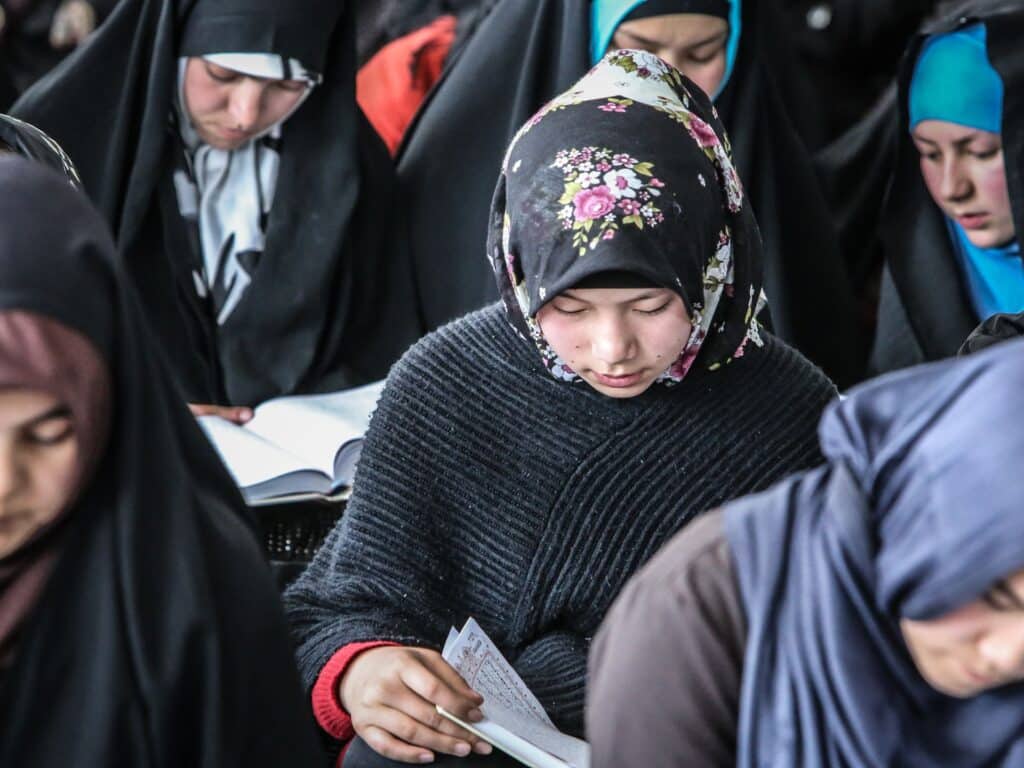
The testimony does not establish that corporal punishment is formally authorised. One teacher said the authorities had instructed staff not to use violence, but beatings continued. Afghanistan’s 2008 education law prohibited physical and psychological punishment.
Safi places the accounts within a wider deterioration in school conditions. Interviewees described children sitting on cold floors and contributing money for blackboards. Qualified teachers had left or been dismissed, while remaining staff faced salary cuts and arrears.
Read more: Taliban bans 679 university textbooks deemed contrary to Islamic principles
Most public-school teachers interviewed sent their children to private schools. One father said he had decided to eat less to afford his son’s fees.
Reopening schools is only part of the answer
Girls remain barred from formal schooling beyond sixth grade. For boys still attending, respondents described a curriculum increasingly dominated by religious instruction, with less time for other subjects and fewer creative activities.
Alternatives offer limited protection. Parents reported online schools disappearing without issuing certificates, while fees, unreliable internet and electricity shortages prevented girls from continuing their studies.
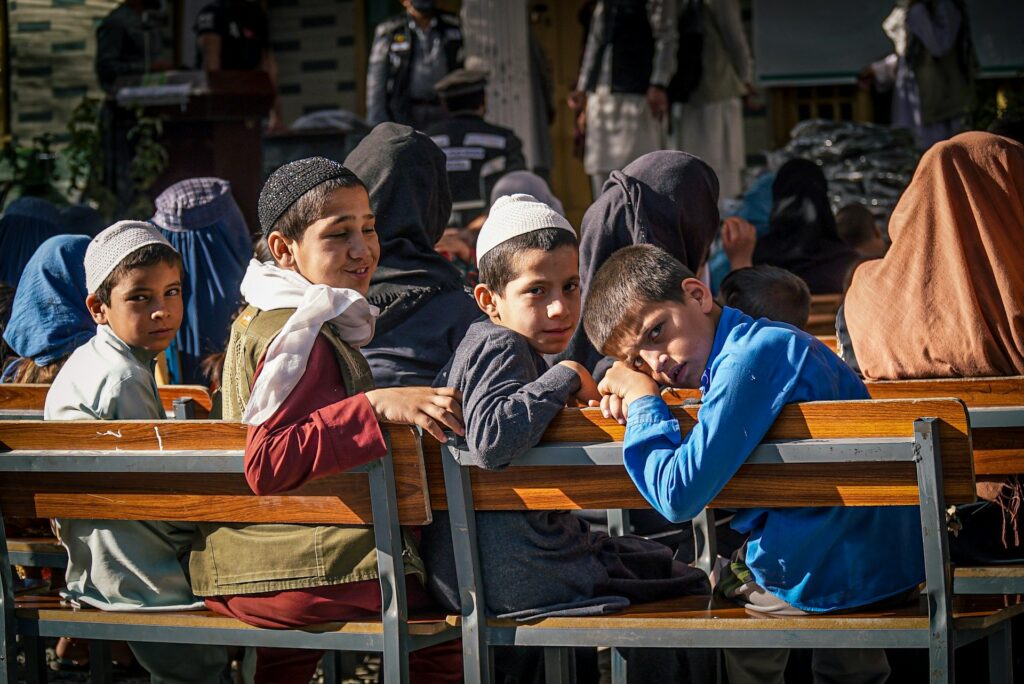
Read more: Afghanistan faces total internet blackout as Taliban shut down telecoms
Safi calls for sustained international pressure to reopen girls’ schools, alongside funding for affordable online and community-based learning. She also urges investment in teachers’ pay and training, school facilities and protection from violence.