Kazakhstan to make its part of Aral Sea full again

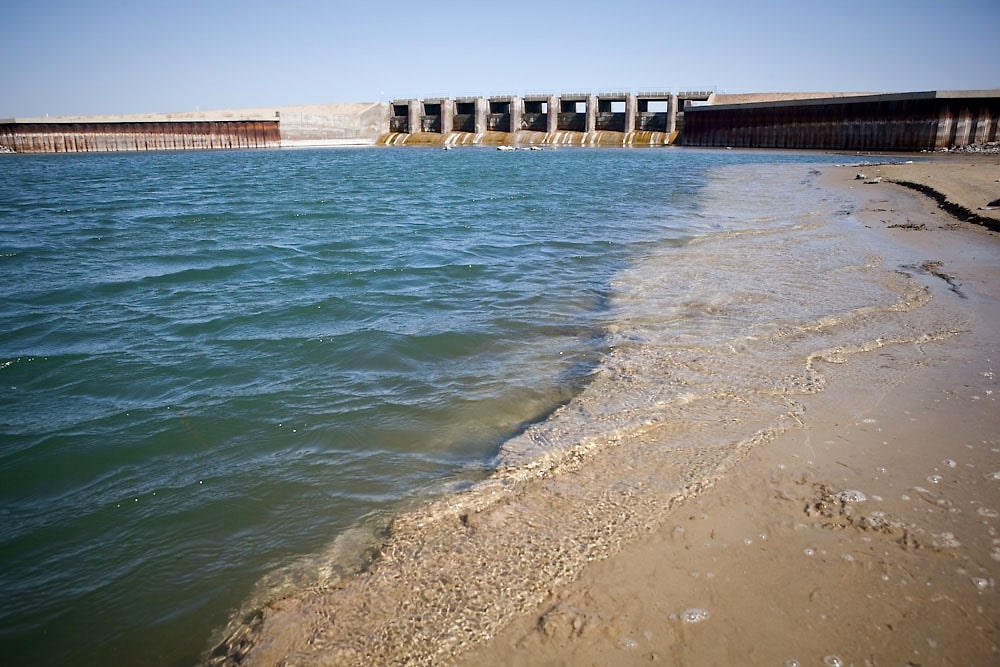
Kazakhstan plans to raise the level of the North Aral Sea to 44 metres above the Baltic height-system reference point as part of a new phase of efforts to restore the shrinking lake.
The existing Kokaral Dam maintains the North Aral at roughly the 42-metre mark, with the new project effectively targeting an increase of about two metres.
The government said on October 7 that it had developed the next restoration phase with the World Bank. The project involves rebuilding the Kokaral Dam, which separates the North Aral Sea in Kazakhstan from the largely dried southern part of the former Aral Sea.
Authorities expect the higher water level to expand the North Aral’s surface area to about 3,900 square kilometres and increase its volume to 34bn cubic metres over the next five to six years.
North Aral has already been gaining water
The North Aral currently contains about 23.4bn cubic metres of water, up from 18.9bn in 2022. Kazakhstan says around 1.5bn cubic metres have been sent into the sea since the start of 2026.
Its surface area has also expanded over the past two decades. The government says it has grown by 36%, while the water volume has almost doubled and salinity has fallen by half.
The recovery began after Kazakhstan completed the Kokaral Dam in 2005. The structure retained water flowing from the Syr Darya in the northern basin, helping water levels rise and allowing some fisheries to return. The southern sections of the Aral Sea, including areas bordering Uzbekistan, have experienced a much more severe retreat.
Kazakhstan plans to maintain annual flows of at least 2bn cubic metres through the Syr Darya. More than 160 irrigation modernisation projects are also planned in the Turkestan and Kyzylorda regions, with some of the water saved expected to be redirected towards the North Aral.
The second phase of the project is planned for 2026-2029, although reaching the full 44-metre target could take up to six years.