Antibiotics sell out, hospitals cut visits: Plague fear grows in Russia

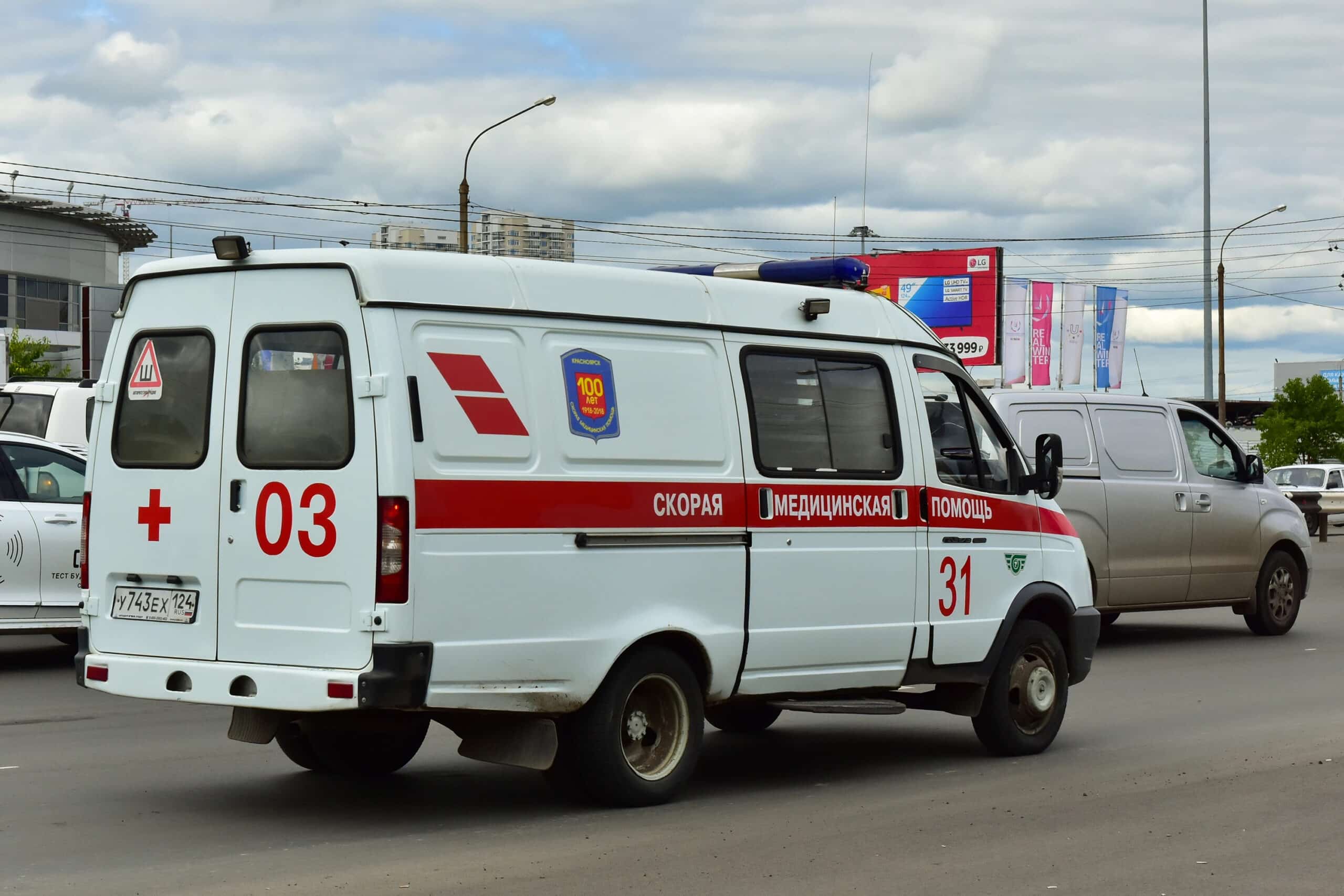
Residents report struggling to find certain antibiotics. A healthcare source says local doctors are openly discussing plague. Deep in Siberia, a laboratory worker’s death has triggered fears that official reassurances have yet to dispel. What is really happening in the Irkutsk region?
The story started to unfold on 2 October, when Siberia-based independent media outlet Lyudi Baikala reported that Daria Shipilova, a 28-year-old employee of the Irkutsk Anti-Plague Research Institute, has broken a vial containing plague strains and felt unwell.
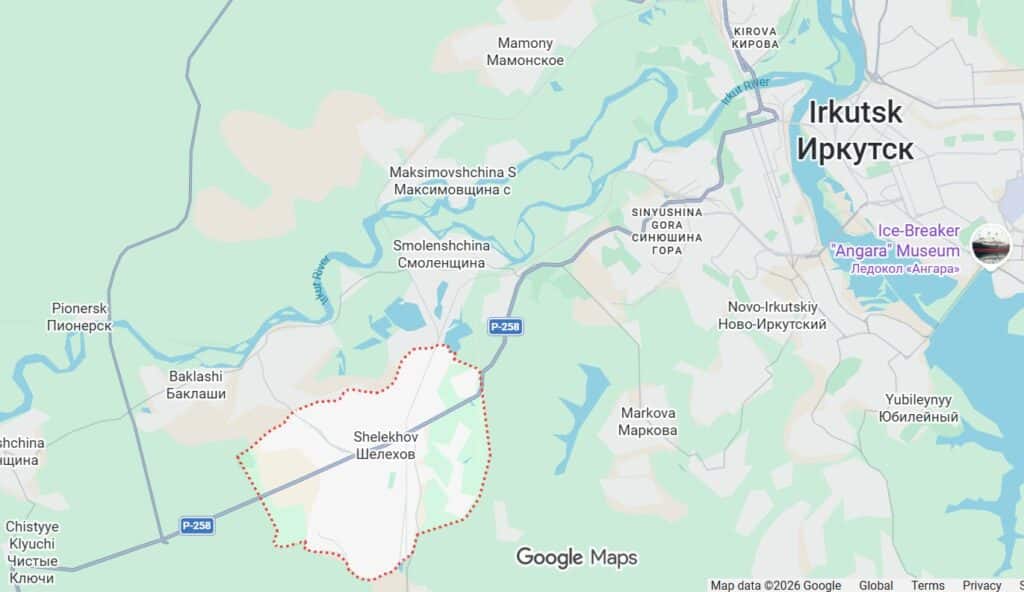
She was rushed to a hospital ward in the town of Shelekhov, adjacent to Irkutsk, and placed under quarantine due to a suspected «particularly dangerous infection.»
Shipilova succumbed to what Russian health watchdog Rospotrebnadzor subsequently described as «pneumonia of unknown cause.» The agency said testing showed no deadly bacteria linked to the woman’s work, and investigators found no laboratory accident involving pathogens.
The tight-lipped response did not sit well with local residents.
- Antibiotics in short supply
- Doctors talk plague
- Hospitals restrict visits
- A warning disappears. Questions remain
В больницах Иркутска введён строгий карантин Об этом сообщают «Люди Бaйкaлa» со ссылкой на собственные источники. Карантин продлится три недели. Закрыты городские клинические больницы № 1, 3, 10, а также городская Ивано-Матренинская детская клиническая больница и как минимум один роддом. В стационарах закрытых больниц введены жёсткие ограничения. Пациентов не выпускают к родным, зайти к ним тоже нельзя – можно лишь передать вещи или продукты. В роддоме мужа роженицы не пустили в палату, хотя у них есть контракт на платные партнёрские роды. По сведениям «Людей Бaйкaлa», иркутские врачи «уже открыто говорят о чуме», но в официальных документах название инфекции не указано. При этом собеседник «Людей Бaйкaлa» отметил, что «выборочный карантин при лёгочной чуме не применяется – ограничения вводятся разом для всех медучреждений». В пятницу, 2 октября губернатор Иркутской области сообщил о случае особо опасной инфекции. В этот день стало известно, что в больнице города Шелехова Иркутской области скончалась пациентка. С 1 октября Центральная районная больница Шелехова находится на карантине. Погибшая – Дарья Шипилова, лаборантка в Иркутского противочумного института. Два года назад она с красным дипломом окончила ординатуру Иркутского медицинского госуниверситета по специальности «Клиническая лабораторная диагностика». По одной из версий, 25 сентября Шипилова могла разбить пробирку с возбудителем чумы и заразиться. Её госпитализировали в шелеховскую больницу, где она скончалась в ночь на 2 октября. 3 октября находящийся в Шелехова Иркутский алюминиевый завод ввёл масочный режим. В этот же день власти Байкальска рекомендовали людям не ездить в Шелехов из-за чумы, но затем удалили пост. Сегодня, 4 октября, Роспотребнадзор заявил, Шипилова умерла не от чумы, а от «пневмонии невыявленной этиологии». В институте заявили, что аварийных ситуаций при работе с патогенными микроорганизмами не было. Фото погибшей: «Люди Бaйкaлa» 🟠Подписывайтесь на @Activatica в Telegram 🟠Предложите новость @ActivaticaBot #иркутскаяобласть #шелехов #больница #карантин #чума
— Activatica (@Activatica) October 4, 2026
Read more: From Black Death to Russian lab: How lethal (and curable) is plague?
Antibiotics in short supply
Lyudi Baikala reported on 5 October that residents of Irkutsk and the nearby Shelekhov were seeking antibiotics used against the plague bacterium. Some pharmacies had reportedly sold out; others had only a handful of packs left.
In Irkutsk, a city of over 600,000 people, locals said one prescription drug was almost impossible to find, with some pharmacies delaying orders until mid-October. The shortages were not all new: residents said that another drug had already been unavailable because of a lack of suppliers.
Doctors talk plague
Separately, an unnamed healthcare source told Lyudi Baikala that healthcare staff were «already openly talking about plague,» even though documents reaching hospitals did not name the disease.
One family said maternity staff had cited plague when refusing to let a father attend the birth despite having paid for a package allowing them to be present.
There are now reports from Shelekhov in Siberia about men walking in the city in hazmat suits. The hospital is quarantined and the pharmacies in the city of ran out of antibiotics. The 28-year-old laboratory technician Darya Shipilova died on Friday at hospital in the city after accidentally breaking a test sample with Yersinia pestis at the Irkutsk Anti-Plague Research Institute and contracting pneumonic plague. Her laboratory was a Biosafety Level 3 lab
— Visegrád 24 (@visegrad24) October 5, 2026
Kursiv Uzbekistan was unable to independently verify the authenticity of those reports but asked Lyudi Baikala to expand on it.
Hospitals restrict visits
Several hospitals in Irkutsk had introduced three-week quarantines, restricting visits and preventing patients from leaving to see relatives.
The popular Russian Telegram channel Ostorozhno Novosti received contradictory answers. One hospital confirmed quarantine measures, while a representative at another said restrictions covered every hospital in the city. The Ivano-Matreninskaya children’s hospital, however, denied introducing quarantine.

Local outlet IrCity reported a different picture: its checks on 5 October found no apparent changes at the facilities it visited, and the regional government said hospitals were operating normally. A citywide shutdown therefore cannot be treated as fact.
Read more: Google and Yandex searches for ‘plague’ explode in Russia amid zero patient fears
A warning disappears. Questions remain
Residents have also had to navigate official messages that appeared and then vanished. The municipal administration in Baikalsk, a town some 300 kilometres south of Irkutsk, warned against travelling to Shelekhov because of the plague on 3 October before reportedly deleting the warning two hours later.
Meanwhile, locals began bombarding regional governor Igor Kobzev with questions about whether it was safe to send children to school and nursery. «Why the silence?» one reader asked, according to the outlet.
Read more: WHO seeks clarity from Russia over lab death linked to plague fears
The Kremlin responded on 5 October by directing people to Rospotrebnadzor. Presidential spokesman Dmitry Peskov urged the public to disregard the rumours but would not be drawn into providing further details.