Genshin Impact Snezhnaya 7.1 Archon Quests recapped and explained

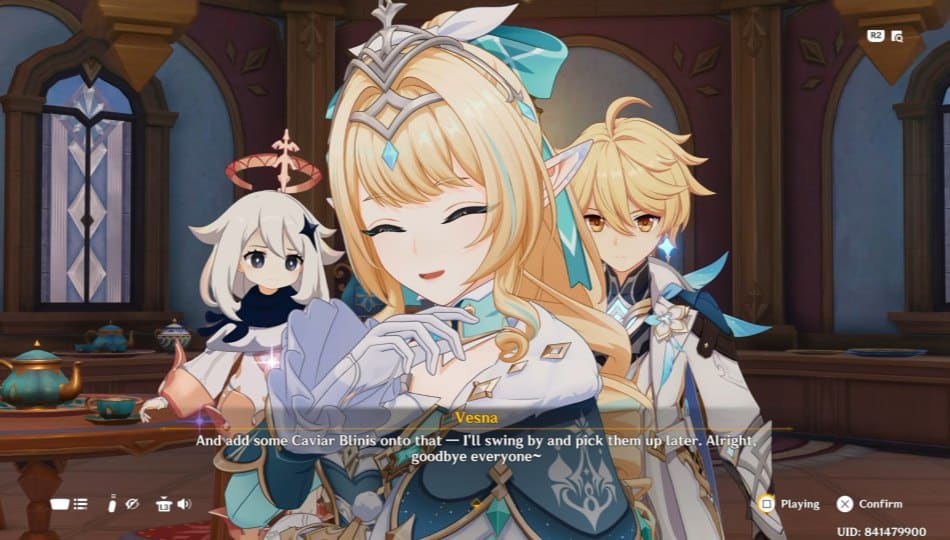
Version 7.1, A Rekviem for the Underworld, delivers some of the biggest revelations in Genshin Impact since the introduction of the Descenders, the Heavenly Principles and Khaenri’ah.
Here’s what happened in Acts III and IV, followed by the lore implications and theories gaining attention in the community:
- Archon Quest recap: What happens in Version 7.1?
- Tsaritsa's plan for Gold
- Act IV: A Rekviem for the Underworld
- New Delusion and the Crimson Moon
- The Tsaritsa and Rhinedottir reveal the truth about the Third Descender
- Lore implications and fan theories
Archon Quest recap: What happens in Version 7.1?
Act III: White Night, Like a Dream Upon Waking
The third act follows Snezhnaya’s preparations for its confrontation with Ronova, the Ruler of Death, whose curse threatens the nation’s people and technological future.
A key part of the preparations involves Vesna, who carries a fragment of the Ruler of Life‘s authority. The power dates back to Hyperborea, when the Angel of Angels stole a portion of that authority and entrusted it to the Vila. It eventually became part of their bloodline, resurfacing in Vesna.
Her unusual birth and rapid growth were early signs of this inherited power.
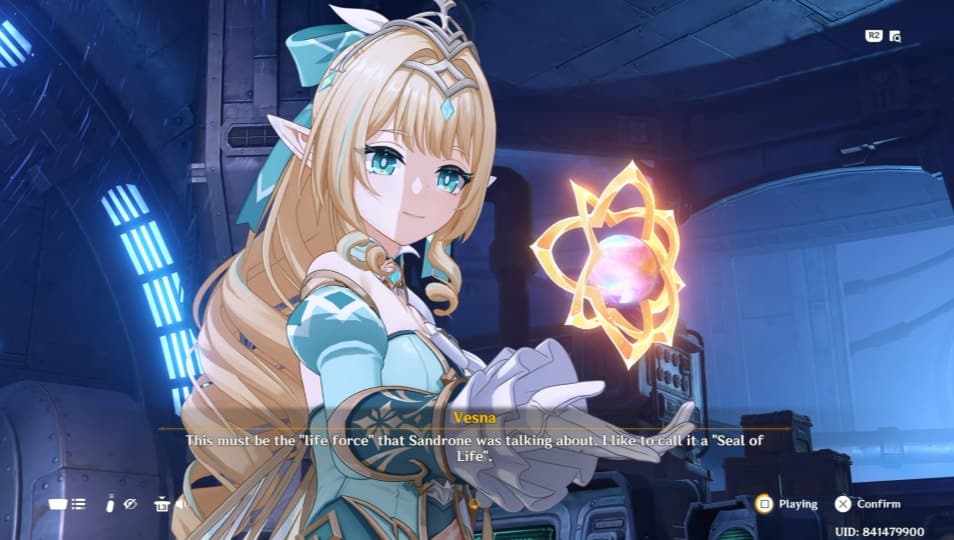
Vesna can extract Seals of Life, manifestations of the memories that make life meaningful to their owners. Some are ordinary moments spent with family, while others involve experiences as simple as travelling or watching the northern lights. These memories become part of the effort to resist Ronova and her control over death.
The act also develops Vesna’s relationship with Danica. Both trained under Capitano, although their different personalities and approaches to responsibility create tension between them. Their storyline places the personal consequences of Ronova’s curse alongside Snezhnaya’s larger political and military struggle.
Under Tsaritsa’s decree, all Fatui members and government officials are mandated to submit their Seals of Life to the Northland Bank, along with the willing common folk. Many ordinary people volunteer and the Northland Bank collects them to keep in the most secure vault.
Tsaritsa’s plan for Gold
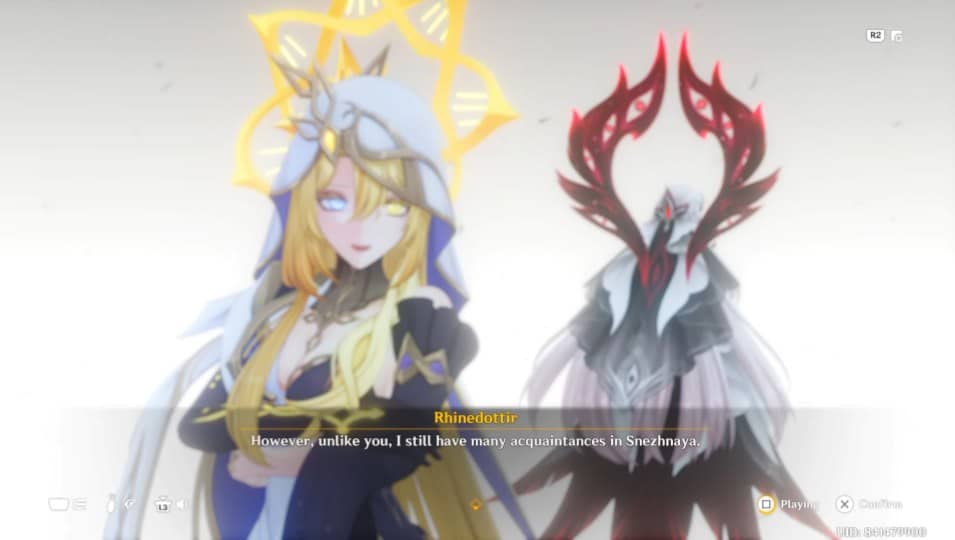
Meanwhile, the Tsaritsa prepares a second plan involving Rhinedottir, the alchemist known as Gold, who now possesses the authority of Life. Her cooperation becomes essential because Ronova cannot freely use her authority to permanently kill humans without the Heavenly Principles’ approval.
The two Shades have been exploiting a loophole in Celestia‘s monitoring system: Ronova can kill people, and Rhinedottir can subsequently revive them before the next inspection. If nobody remains dead when the system checks, the violation goes undetected.
The Heavenly Principles’ dormancy makes the situation possible because Celestia now monitors the world periodically rather than continuously. The Tsaritsa intends to turn that arrangement against Ronova.
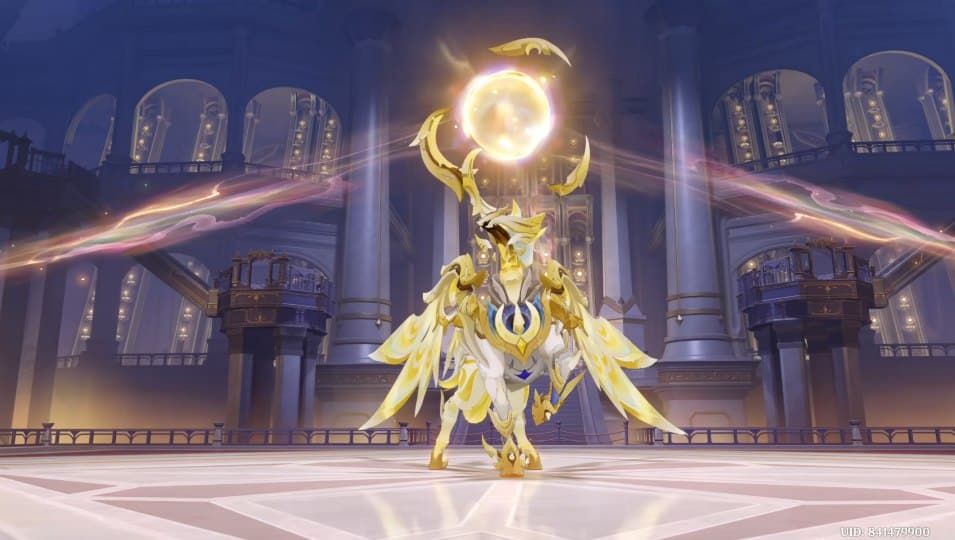

Snezhnaya’s large-scale use of the authority of Life to collect Seals of Life leaves Rhinedottir with no choice but to intervene. She initially sends her minion to devour the seals, but as it is defeated by the Tsaritsa, Rhinedottir appears and is then coerced by Anastasya to join her for a talk after a week.
Act IV: A Rekviem for the Underworld
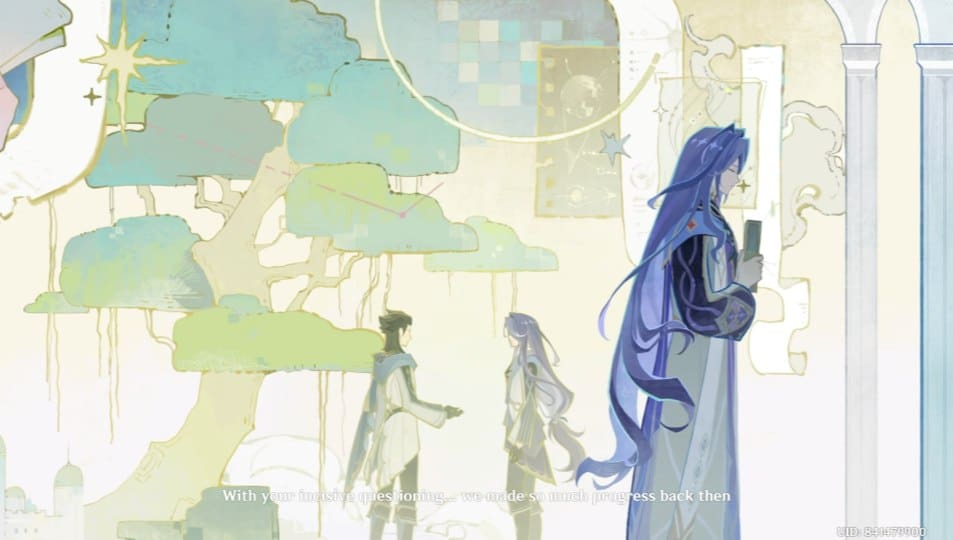
The fourth act brings the Fatui’s preparations together while revealing several previously unknown chapters of Teyvat’s history.
An important part of the story concerns Pierro, also known as Eftirvit, and his former colleague Hroptatyr, who would eventually become one of Khaenri’ah’s Five Sinners. Both were associated with the Universitas Magistrorum and sought to save Professor Mimameith.
Hroptatyr’s research into the Crimson Moon revealed that it possessed an authority connected to Death. By combining this discovery with knowledge of the Abyss, he believed he could develop a way to prevent death altogether. He initially called his discovery the Blessing of Immortality.
Further investigation, however, convinced him that the process would preserve existence without ending suffering. He renamed it the Curse of Immortality and decided that the research should be permanently sealed away.
His decision created a rift with Pierro, although Pierro’s hatred would deepen after the Cataclysm, when Hroptatyr accepted the power of the Abyss and abandoned Khaenri’ah. After the kingdom’s destruction, Hroptatyr found Pierro among the ruins and gave him a notebook containing his research. He then departed to pursue knowledge beyond Teyvat.
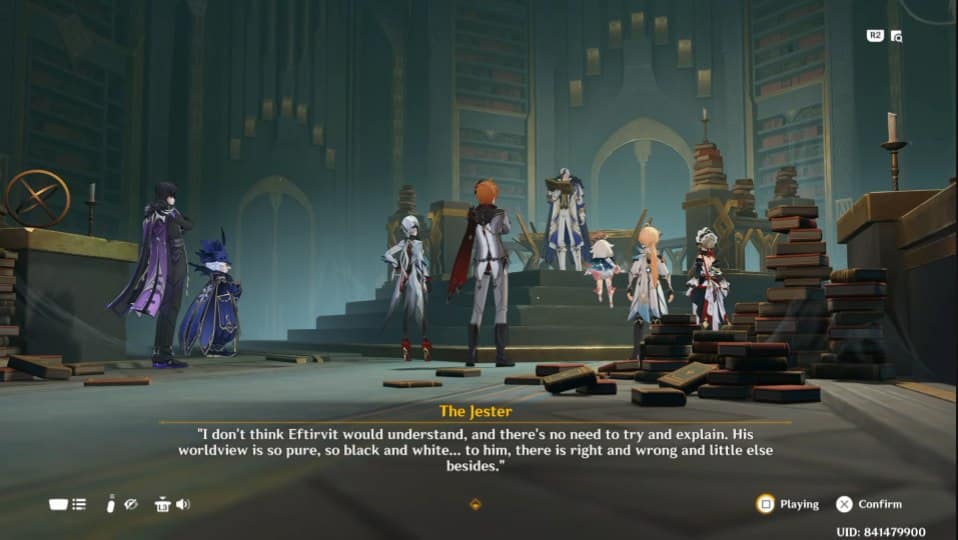
The notebook apparently kept the last trace of Hroptatyr’s unpolluted consciousness, with which all the members of the Fatui and the Traveller are able to meet and hold a conversation. This helps Pierro to find a way to develop the final version of the Delusion.
The act also reveals an unexpected connection between the two and the Traveller’s journey: Pierro performed a ritual that summoned Paimon, while Hroptatyr’s ceremony summoned the Abyss Sibling.
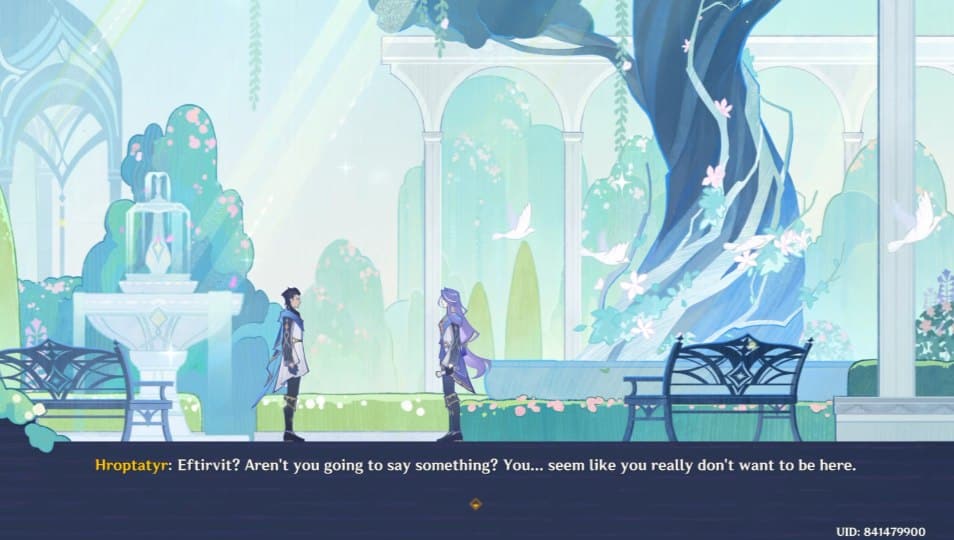

These revelations establish that both arrivals involved Khaenri’ahn summoning rituals, although the characters’ original identities and the wider purpose of those rituals remain unclear.
New Delusion and the Crimson Moon
In this act Pierro completes research into a new type of Delusion designed specifically for confronting Ronova.
Ordinary Delusions consume their users’ life force to produce extraordinary power. The improved version is designed to draw primarily on a regenerative portion of that energy, reducing its long-term effects. Pierro also explains why Arlecchino is essential to the project.
The primordial authorities of Life, Death, Time and Space once belonged to the moons. After their destruction, the Heavenly Principles reclaimed those powers and redistributed them among the Four Shades.
However, the shattered Crimson Moon merged with the Abyss. Through the Abyss’s ability to manifest alternative possibilities, a version of the Crimson Moon’s former authority over Death continued to exist.
Arlecchino, as a descendant of the Crimson Moon bloodline, carries a connection to that power. Her involvement allows Pierro to develop a Delusion capable of challenging Ronova through an authority related to her own.
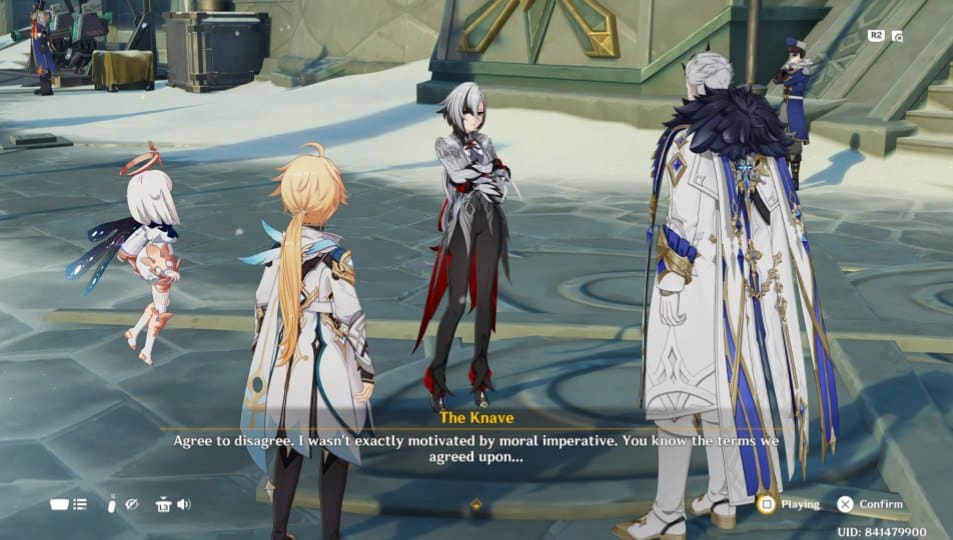
But Arlecchino’s help comes under certain terms she proposed: the House of the Hearth will no longer train spies for the Fatui and instead will follow the path of the Crimson Moon descendants under the leadership of the Father.
The resulting weapon, the Eye of the Fatui, is intended for Pierro to use during the final confrontation.
The Tsaritsa and Rhinedottir reveal the truth about the Third Descender
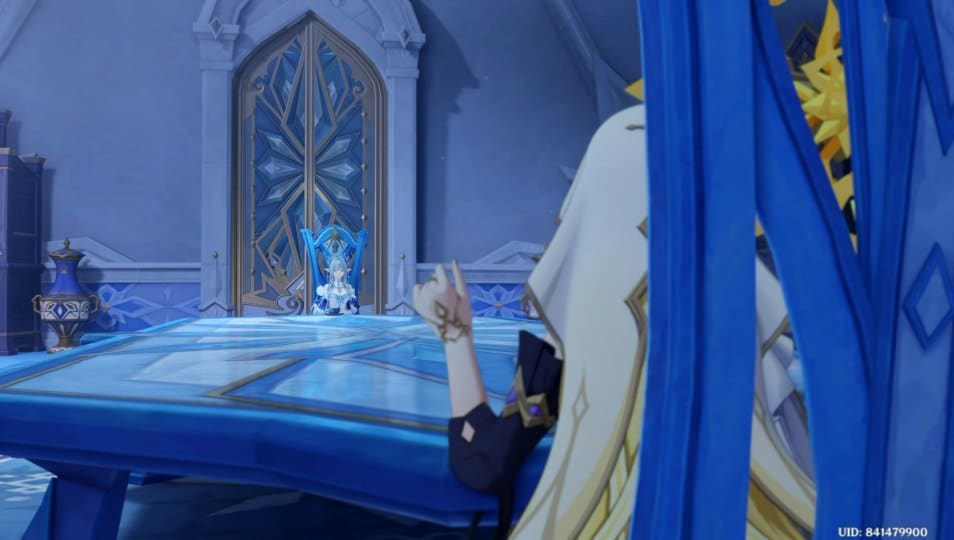
At Zapolyarny Palace, the Tsaritsa, Anastasya, meets Rhinedottir. Their conversation delivers the act’s most consequential revelations.
Long before the events of the game, the Tsaritsa was a herald of the court. The Belyi Tsar persuaded her and the Third Descender to open a gateway to the Abyss, unleashing disasters that would plague Teyvat for centuries.
The Heavenly Principles punished the Tsaritsa by erasing her existence. The Belyi Tsar escaped into the Shadow Realm and avoided the consequences. The Third Descender then approached Celestia with an offer.
He would sacrifice himself and allow his remains to be divided into seven pieces, becoming the Gnoses, on two conditions: the Tsaritsa must be restored, and his descendants must remain protected. Those descendants were the people of Khaenri’ah.
To ensure the agreement was honoured, the Third Descender placed a curse that would activate if Celestia broke its promise. The Heavenly Principles accepted the arrangement but imposed another condition. All knowledge of the Third Descender, including the Tsaritsa’s memories of him, would be erased through Irminsul.
Tsaritsa’s point of view
As the Belyi Tsar had escaped into the Shadow Realm, he retained knowledge of the events and later attempted to explain the Tsaritsa’s past to her. She could not truly recognise those memories as her own.
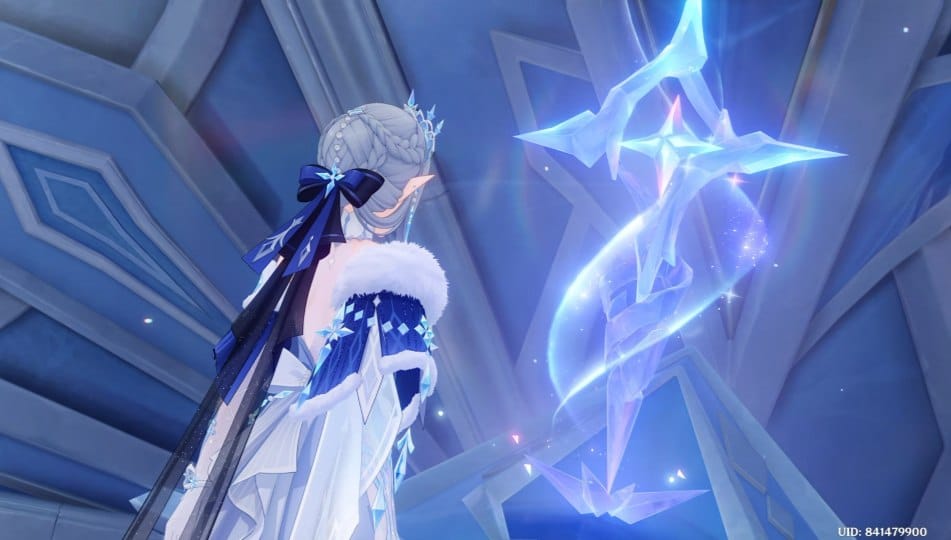
The Tsaritsa also reveals that she uses a Transcription Prism, an object containing the Third Descender’s power, to preserve her experiences against further interference with her memories.
Her hostility towards the Heavenly Principles is therefore not simply a response to her forgotten past. She opposes a system that can manipulate memory and even impose emotions upon the gods.
She explains that the Heavenly Principles demanded that gods love humanity, transforming love into an obligation rather than a freely chosen feeling.
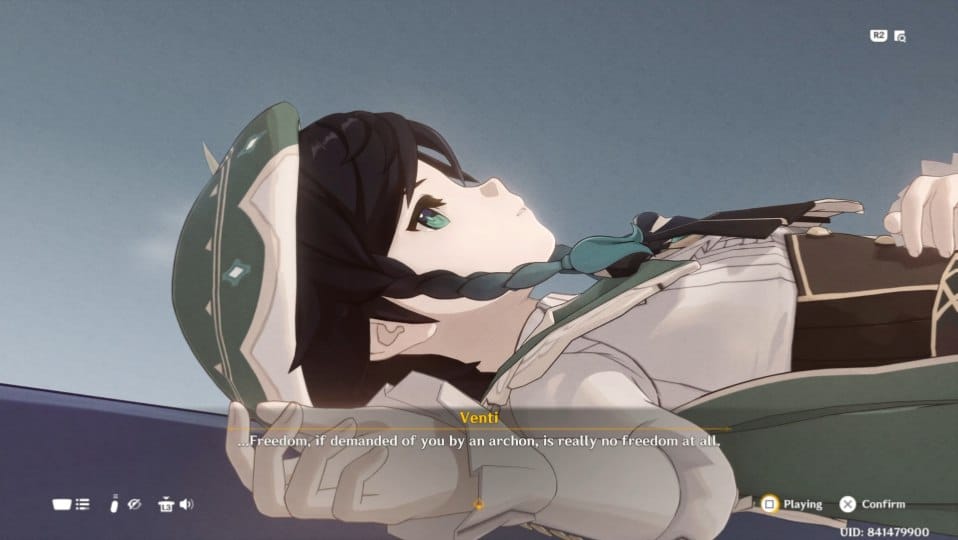
This provides new context for her relationship with Khaenri’ah. Although she is connected to its people through the Third Descender, she was deprived of the memories that would have allowed her to understand that relationship.
The conversation also explains Celestia’s long dormancy. During the Cataclysm 500 years ago, the Heavenly Principles violated the agreement to protect the Third Descender’s descendants. His curse activated, forcing the Heavenly Principles into their prolonged slumber.
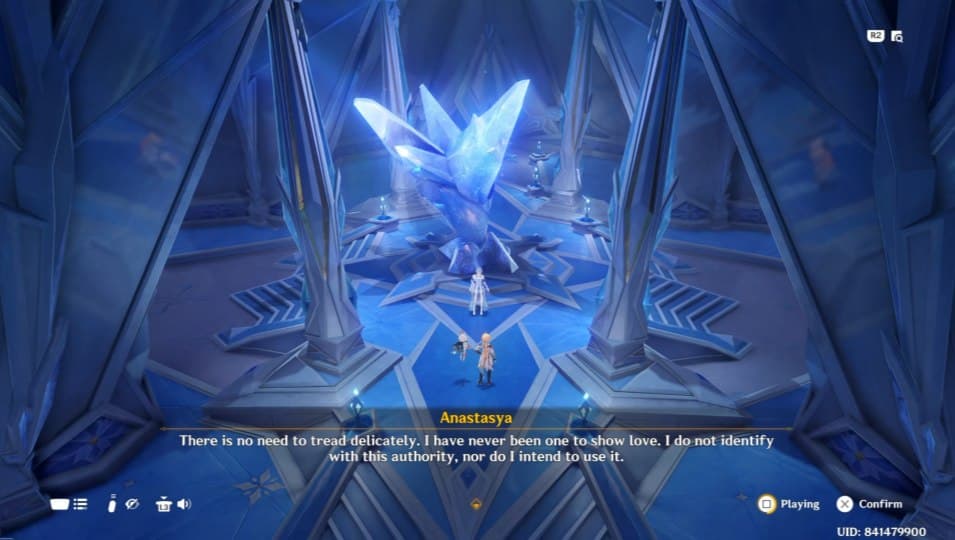
The Tsaritsa has been collecting the Gnoses for two reasons: to amplify her power against Celestia and to break the Third Descender’s seal.
Asmoday, the Abyss Sibling and the mysterious creature
Another revelation concerns Asmoday, the Ruler of Space, who previously separated the Traveller from their sibling at the beginning of the game.
The Tsaritsa reports that someone has spotted Asmoday alongside a hooded figure. The scene strongly suggests that the person accompanying her is the Abyss Sibling. The sighting raises questions about whether Asmoday still serves the Heavenly Principles or has developed an independent agenda.
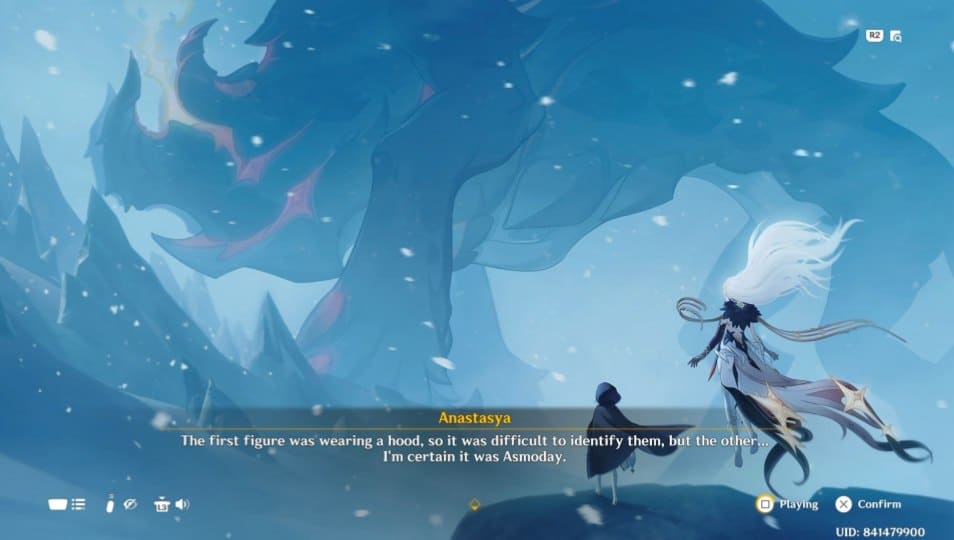
The quest also shows Asmoday and the Abyss Sibling observing an unidentified creature. Its nature is not explained, leaving players to debate whether it is connected to the dragons, the Abyss or another force. However, upon turning the conversation between Asmoday and the sibling louder, players interpreted their words as the creature being related to the Third Descender.
How the Tsaritsa defeats Ronova without fighting her
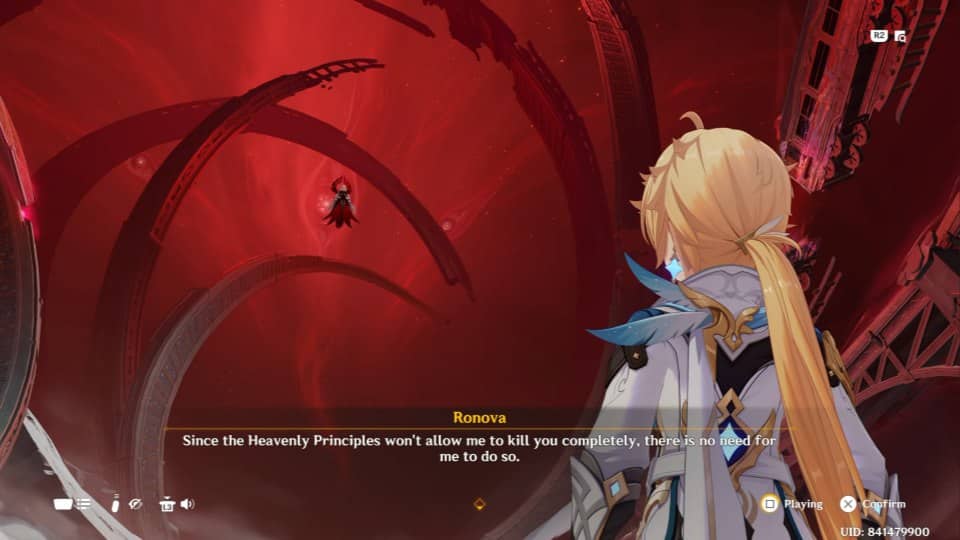

The final confrontation unfolds on two fronts. While the Traveller and Dainsleif fight Ronova, the Tsaritsa keeps Rhinedottir occupied at Zapolyarny Palace.
Ronova initially retains her overwhelming authority over Death. However, the Tsaritsa has prepared a trap that exploits Ronova’s agreement with Rhinedottir. Using six Gnoses to amplify her Cryo power, she creates a space around Rhinedottir where time passes much more slowly than outside.
Rhinedottir consequently misses the agreed window for resurrecting Ronova’s victims before Celestia’s next inspection. The monitoring system detects that Ronova has killed humans without authorisation and automatically reclaims her authority over Death. Rhinedottir then receives a directive to restore the victims.
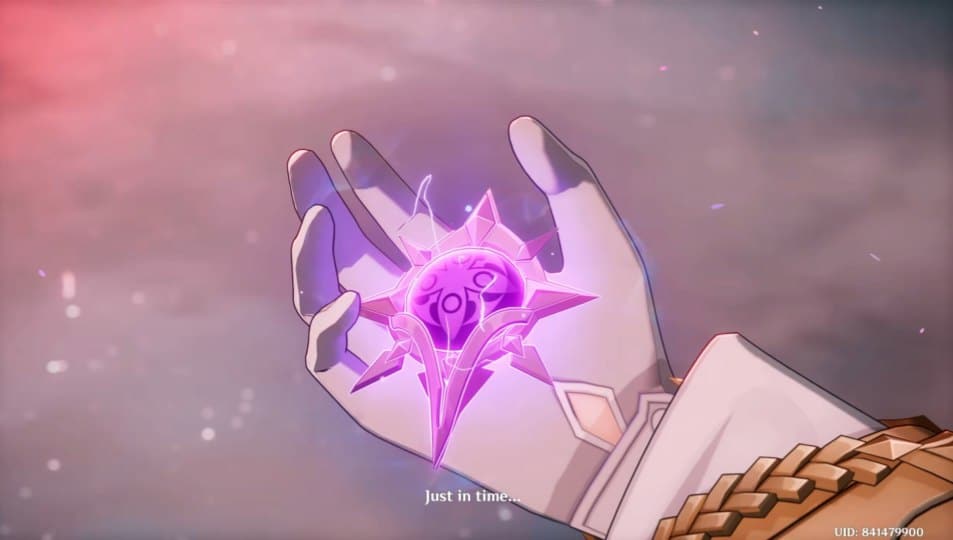


Ronova remains powerful, but she no longer possesses the divine authority that previously made her almost impossible to defeat. Pierro arrives with the Eye of the Fatui and uses its power to deliver a devastating attack, sacrificing a tremendous amount of his life force and soul in the process.
After the final battle, Ronova disappears. The characters acknowledge their victory, but Pierro cannot confirm that she is dead. He warns that she may have escaped despite suffering permanent injuries. The people Ronova killed are resurrected, and her unauthorised Curse of Death on Snezhnaya is lifted.
However, the Curse of Immortality imposed on Khaenri’ah under the Heavenly Principles’ judgement remains in effect.
Ronova’s final act and the Celestial Nails
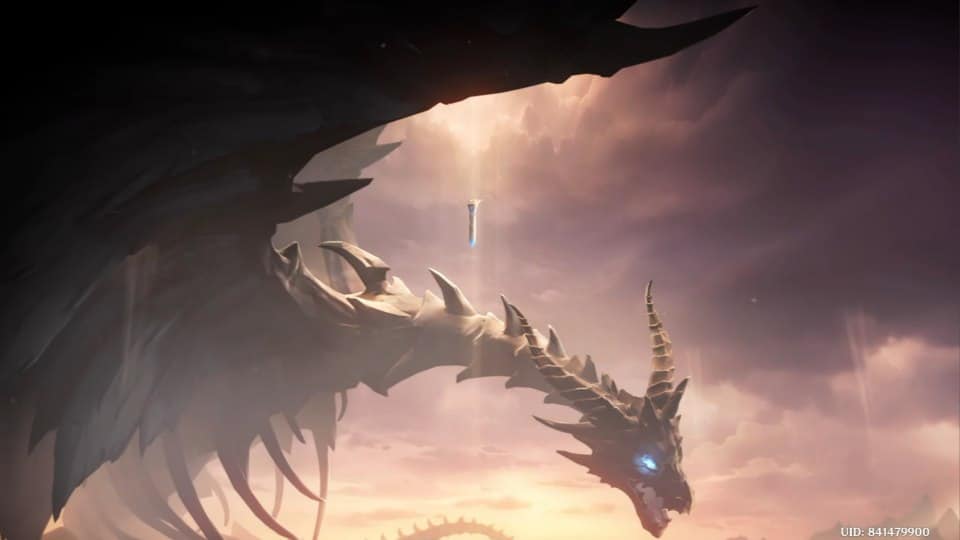
The ending reveals that Ronova reached Snezhnaya’s Nail of Retribution after seemingly travelling to the Shadow Realm to retrieve a specific object. The object in question is a Hyperborean creation called the Embryonic-Ichoric-Telluric Rudiment, or EITR, and merges it with the Nail.
The act triggers anomalies in Celestial Nails across Teyvat, including those associated with Dragonspine, the Chasm, Inazuma, Sumeru and Natlan. Ronova’s intention is to spread the phenomenon known as Holy Soil, apparently threatening the environments that sustain human civilisation.
The post-quest scenes show characters across the different nations investigating the changes. Albedo examines Dragonspine’s Nail, Xiao reports on the response in the Chasm, Yae Miko expresses concern about Inazuma, Dehya and Candace stand guard in the desert and Mavuika considers the implications for Natlan.
Although Ronova has been defeated, the disturbance she leaves behind may be far more difficult to contain than the original battle.
Lore implications and fan theories
Where did Ronova’s authority over Death go?
One of the biggest unanswered questions is what happened to the authority reclaimed from Ronova. The quest establishes that Celestia can revoke a Shade’s powers even while the Heavenly Principles remain dormant. However, it never identifies a new holder of the authority of Death.
Two possibilities emerge. The simplest is that the authority has returned to Celestia, where it remains unassigned. Another possibility is that the authority will eventually return to its original source. The Four Shades inherited powers that previously belonged to the moons, suggesting that Celestia may not be their permanent owner.
There is also the question of why the Curse of Immortality continues to affect Khaenri’ahns.
The distinction appears to be authorisation. Ronova imposed the curse on Khaenri’ah under the Heavenly Principles’ judgement, making it part of the existing divine order. Her curse on Snezhnaya, by contrast, was unauthorised and vanished when Celestia revoked her power.
What are EITR and Holy Soil, and what is Ronova planning?
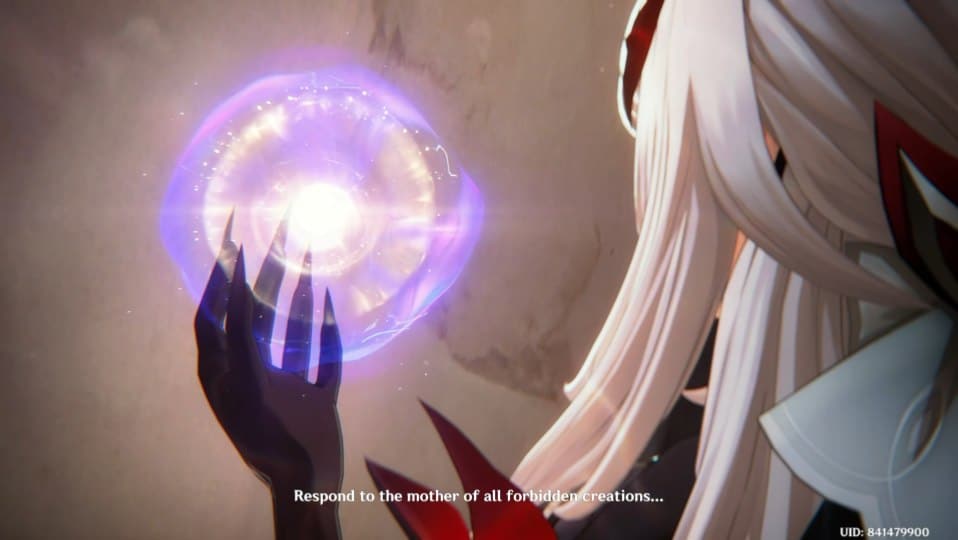
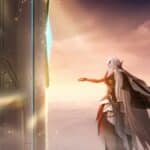
EITR, short for Embryonic-Ichoric-Telluric Rudiment, is an ancient Hyperborean creation first explored in Version 7.0’s Eye of Graeae storyline.
According to the research notes, Hyperborea’s craftsmen developed technology capable of modifying the essence of life. EITR represents the culmination of that research and can transform living beings, including through the creation of chimeric creatures.
Its power comes from the Light Realm, the primordial realm associated with dragons and elemental beings. Unlike ordinary elemental energy, EITR’s power has been modified specifically for creation. The Belyi Tsar recovered the artefact from Hyperborean ruins in the Shadow Realm.
Holy Soil, meanwhile, is land saturated with the Light Realm’s influence. Such environments favour dragons and elemental life but are unsuitable for ordinary human habitation and agriculture.
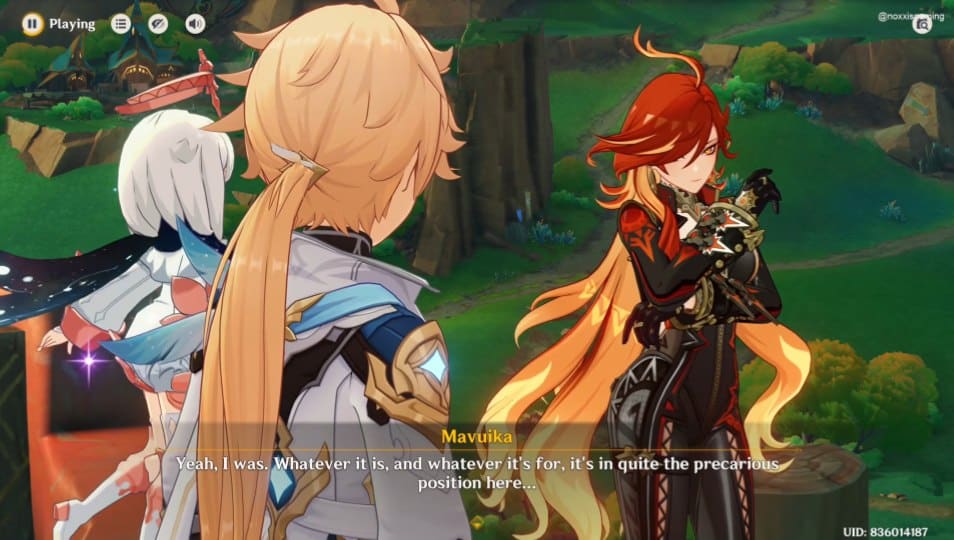


The phenomenon has appeared in several regions:
- Watatsumi Island: Light Realm energy from Enkanomiya gradually affects the island’s soil. The Watatsumi Goryou Matsuri ritual helps counteract the phenomenon.
- Natlan: The region was once dominated by an environment suitable for dragons before the Heavenly Principles intervened.
- Snezhnaya: Ancient Hyperborean experiments involving a dead Cryo Dragon reportedly transformed the region into a primordial frozen landscape, prompting Celestia to intervene with a Nail.
One theory, explored in a detailed Reddit analysis of the ending, proposes that Celestial Nails were designed partly to suppress the spread of Holy Soil. By introducing EITR’s modified Light Realm energy into the system, Ronova may have disrupted that protection.
Some fans have also pointed to parallels with Ragnarök, the Norse mythological catastrophe that brings about the destruction of the existing divine order and the emergence of a new world.
The idea fits Genshin’s use of mythological references, but it remains a thematic parallel rather than evidence that the story will follow the same events. What the ending does establish is that defeating Ronova has not ended the conflict with Celestia. It has triggered a new crisis affecting multiple nations at once.