Tesla‘s next-generation Roadster will not enter production until 2028, extending a wait that began nearly nine years ago when the company first announced the electric sports car and began accepting reservations.
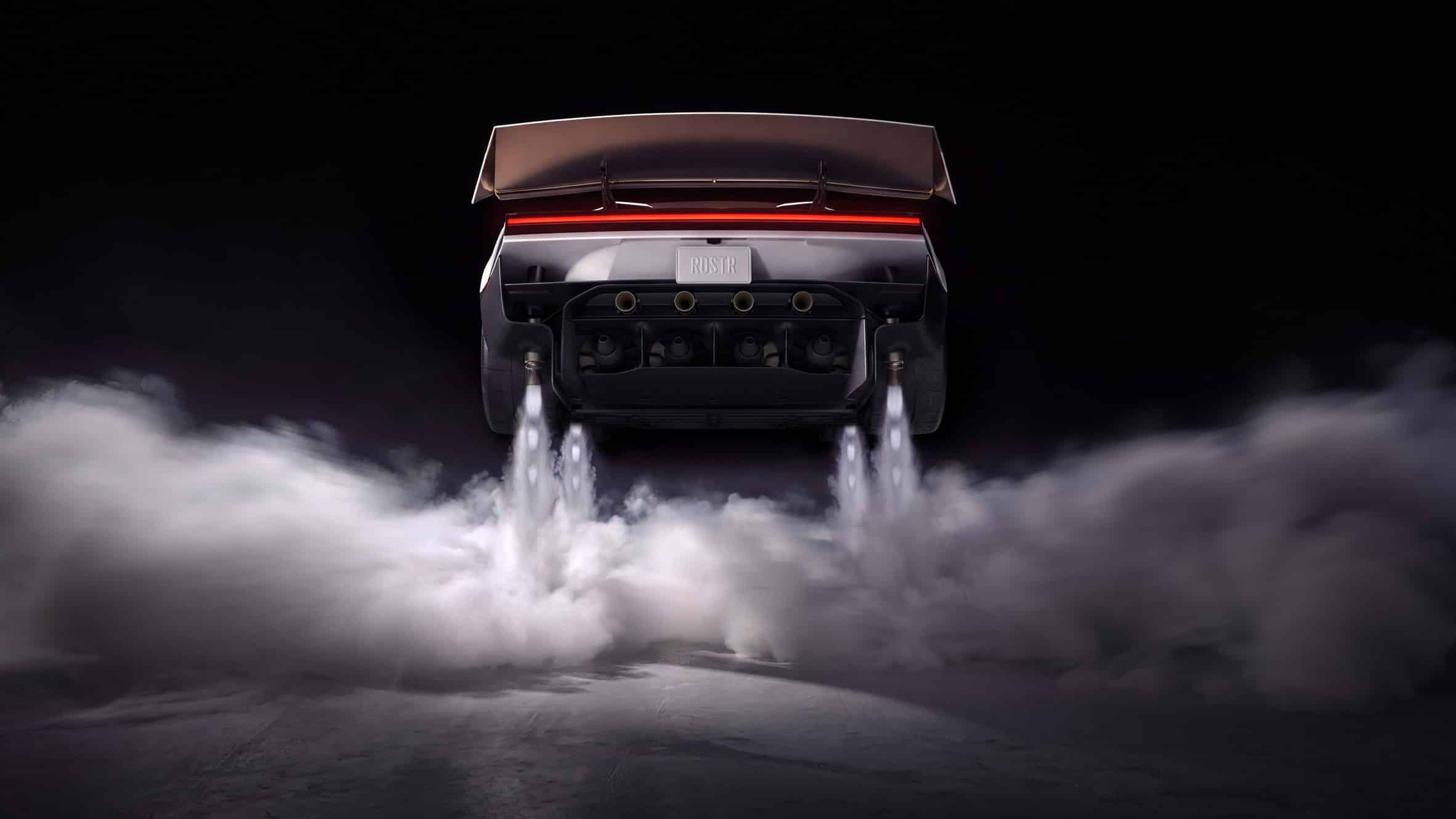
CEO Elon Musk confirmed the revised timeline during a demonstration in Texas on October 15, where Tesla showcased a redesigned Roadster equipped with thrusters developed alongside SpaceX. The technology allowed the prototype to perform aerial manoeuvres, including turning while airborne.
The company originally promised to begin producing the Roadster in 2020, three years after its initial announcement. The new target means some early customers could wait more than a decade before receiving their cars.
Tesla has reopened reservations with a $50,000 deposit requirement but has not announced final prices for the redesigned model.
Roadster’s performance improves, but range falls
Tesla claims the updated Roadster can accelerate from zero to 60 mph (97 km/h) in less than one second, making it considerably quicker than the 1.9-second figure announced in 2017.
Its top speed is expected to exceed 230 mph (370 km/h), while the estimated driving range has fallen to more than 300 miles (483 km), compared with the 620 miles (998 km) originally promised.
0-60 mph in 0.81 seconds https://t.co/7Pp4oqJVzq
— Tesla (@Tesla) October 16, 2026
Tesla presented three versions of the car: Performance, Thrust and an invitation-only Rocket variant. The most advanced models feature propulsion technology developed with SpaceX, allowing the vehicle to perform manoeuvres beyond conventional road-car capabilities.
However, the company has yet to demonstrate that the performance figures can be consistently achieved by production-ready vehicles.
Our design language has evolved since the last reveal: from S3XY to Cybertruck, Cybercab & Optimus Roadster is inspired by the SR-71 & F-35 https://t.co/CV7trDTS66
— Tesla (@Tesla) October 16, 2026
The prolonged development has already prompted some customers to abandon their reservations. Among them is OpenAI CEO Sam Altman, who previously sought a refund after years of delays. Technology reviewer Marques Brownlee has also cancelled his reservation.
Musk acknowledged that the sports car would have limited financial significance for Tesla. Analysts instead view it as a showcase for the company’s engineering capabilities rather than a product expected to generate substantial sales.