Nepal asks tourists to halt Himalayan treks as Cyclone Arnab closes in

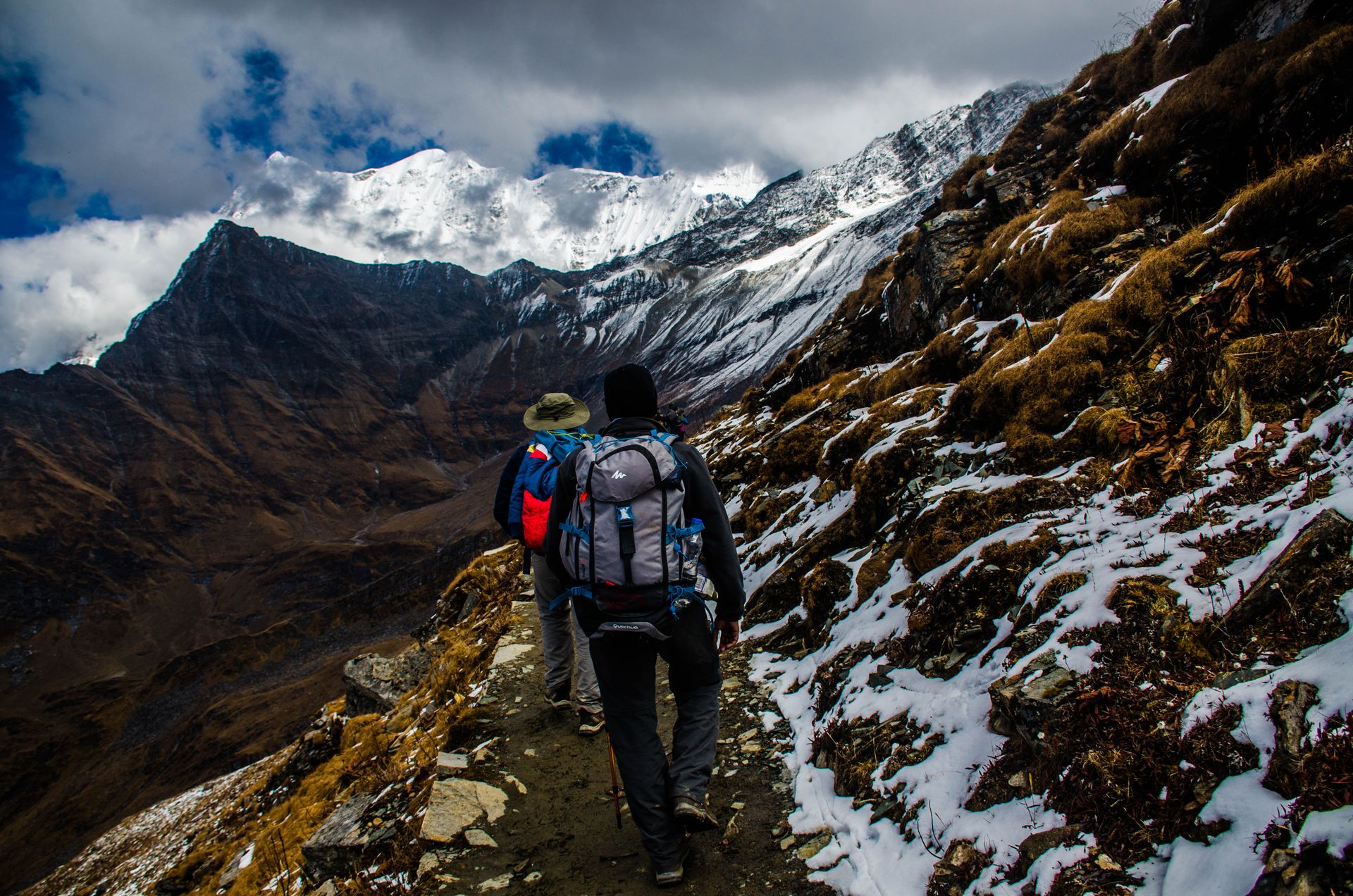
Nepal has advised tourists to stop high-altitude trekking between 29 and 31 October because of heavy rain, snowstorms and possible avalanches. Travellers who are already in potentially dangerous areas have been asked to remain in safe locations until the situation improves.
The Trekking Agencies’ Association of Nepal has urged particular caution around the Thorong La, Larkya La, Kang La and Cho La passes. Higher and more exposed routes in the Everest, Manaslu, Langtang, Makalu and Kanchenjunga regions also require extra caution.
The weather alert identifies the Koshi, Madhesh, Bagmati, Gandaki and Lumbini provinces. Rain, thunderstorms and strong winds could also affect Karnali and Sudurpashchim, according to the Travel Trade Journal.
Read more: Uzbek climber Alena Aitova reaches Nepal’s Island Peak
Snowstorms and showers from cyclone Arnab
Separately, the National Trust for Nature Conservation has advised postponing treks to Annapurna Base Camp, the Annapurna Circuit, Mardi Himal and Upper Mustang, NepalNOW reported.
The weather system of cyclone Arnab is likely to affect Nepal from the night of 29 October. The cyclone has weakened after making landfall in India, but moisture from it could still cause significant Himalayan snowfall.
#WATCH | Nepal: Mountains surrounding the Kathmandu Valley made for a picturesque view this evening, as the peaks turned white following fresh snowfall. https://t.co/y6Dmk9m5RU
— ANI (@ANI) October 27, 2026
In the meantime, there is no nationwide tourism shutdown, although lower-altitude destinations, including Kathmandu, Pokhara, Chitwan and Lumbini, may experience rain and changes to outdoor activities, according to NepalNOW.
Back in August, Nepal was hit by devastating floods that left at least 1,400 dead and over 5,200 missing in the Himalayan nation, while 43 were dead and 519 missing in the neighbouring Tibet Autonomous Region of China.
Read more: «Every visit helps»: Flood-hit Nepal urges tourists to keep coming
Useful numbers within Nepal include:
- 1155 for weather information;
- 1144 for Tourist Police;
- and 100 for police emergencies.
