Opium production in Afghanistan jumps fivefold despite Taliban’s ban

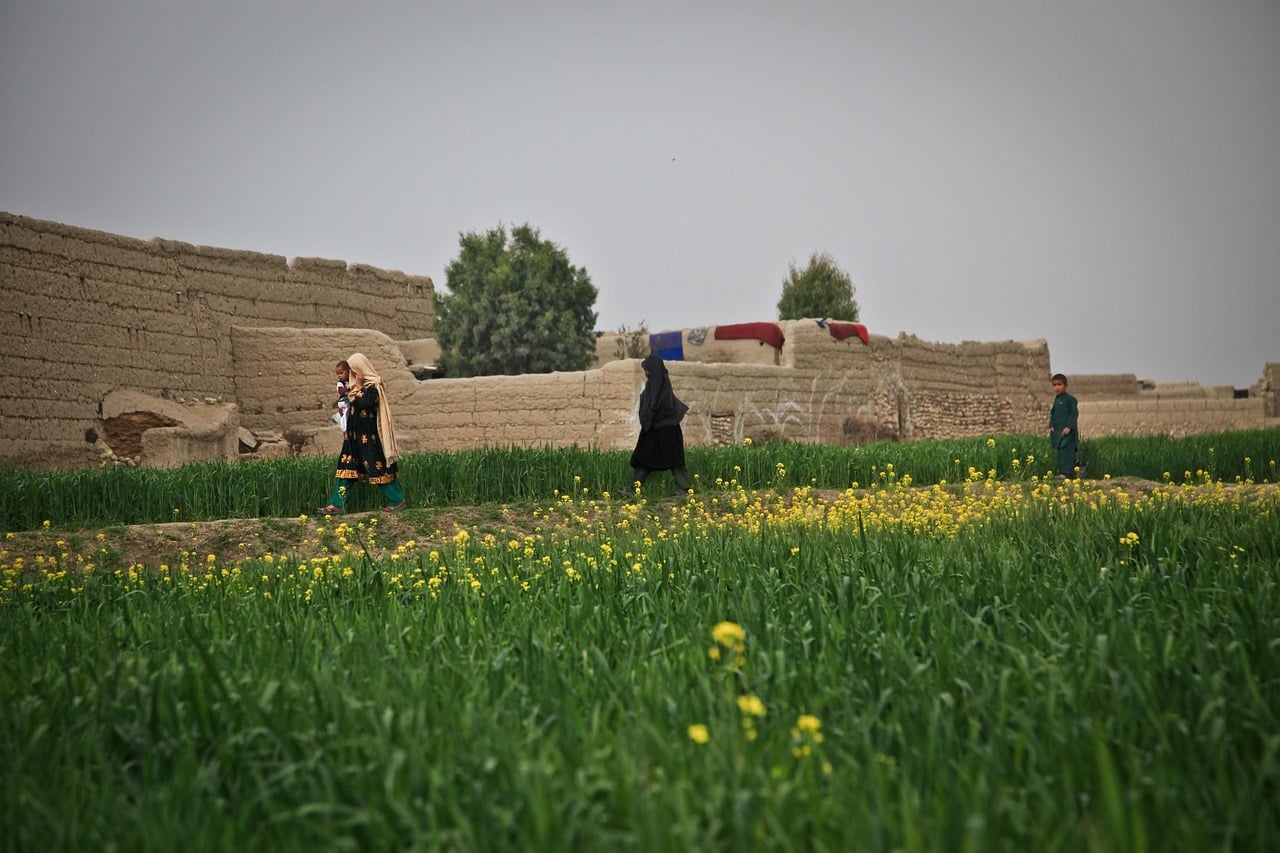
Afghanistan’s opium production increased nearly fivefold in 2026, marking the first substantial rebound since the Taliban prohibited poppy cultivation four years ago, according to a United Nations report released on 29 October.
The UN Office on Drugs and Crime (UNODC) estimated that production reached almost 1,500 tonnes, compared with approximately 300 tonnes in 2025. Land used to grow opium poppies expanded by 330%, from around 10,000 hectares to more than 43,000 hectares.
Despite the increase, cultivation remains considerably below the 232,000 hectares recorded in 2022, before the Taliban’s restrictions took effect.
Afghanistan was previously the world’s largest source of illicit opium, supplying roughly 80% of the global market. Myanmar overtook the country after the Taliban’s crackdown sharply reduced Afghan production.
Why Afghan farmers are returning to opium cultivation
The Taliban banned poppy cultivation and narcotics production in April 2022, following its return to power in August 2021. However, widespread poverty and limited employment opportunities have made it difficult for some farming communities to abandon the crop.
UN investigators found that growers have increasingly concealed poppies among cereal crops or planted them inside enclosed compounds. Others have adjusted planting and harvesting schedules to reduce the likelihood of detection.
The Taliban authorities say they have destroyed tens of thousands of hectares of poppy fields this year. They have also challenged the UN’s estimates, maintaining that their anti-narcotics campaign has significantly reduced cultivation.
«The fourfold increase in opium poppy cultivation shows the difficulty in sustaining decreases in illicit opium cultivation when poor farmers have no alternatives to feed their families,» said Monica Juma, executive director of UNODC.
Juma called for greater investment in rural livelihoods, agricultural infrastructure and access to markets to help farmers move away from opium production.
Opium cultivation shifts towards Central Asia
The report also identified a geographical shift in Afghanistan’s opium industry. Poppies were cultivated in 16 of the country’s 34 provinces in 2026, five more than the previous year.
Around 75% of cultivated land was concentrated in northeastern Afghanistan, replacing the southwest as the country’s main production area. The change places a greater share of cultivation near the border with Tajikistan.
Although the average price of opium fell from $570 per kilogramme in 2025 to approximately $500 in 2026, it remains more than five times its pre-ban level of less than $100. Regional price differences could encourage trafficking between production areas.
UNODC also warned that stockpiles accumulated before the ban appear to be declining. Traffickers have relied on these reserves to maintain supplies, but recent seizure data indicate that they may be running low.
The agency’s 2026 World Drug Report identified early signs of falling heroin supplies in Europe. With prices remaining high, dwindling reserves could encourage further poppy cultivation.
UNODC called for stronger international cooperation against cross-border trafficking networks. The agency said further monitoring would be needed to establish whether this year’s increase is temporary or signals a longer-term recovery in Afghanistan’s illicit opium industry.
