Cambridge scientist killed in Spain crash on way to award ceremony

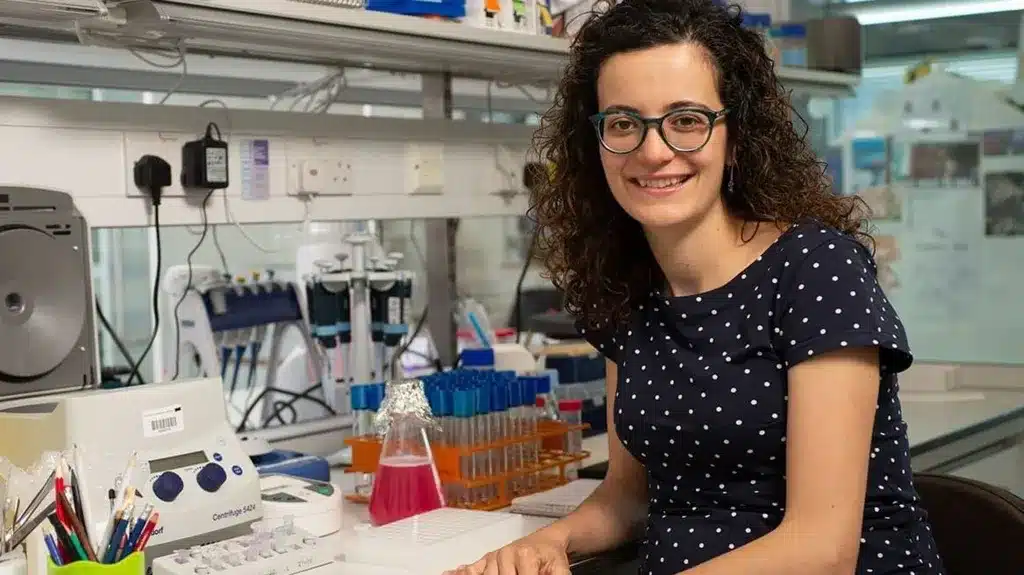
Dr Marta Shahbazi, an award-winning scientist at the University of Cambridge, was among 69 people killed in a train collision in Spain while travelling to receive an award recognising her research into early human development.
The mother of two was travelling to a scientific conference in El Rompido, Andalusia, on Wednesday when her train collided with another near Urda, south of Madrid.
Shahbazi was an affiliate associate professor and led a research team at the Medical Research Council’s Laboratory of Molecular Biology (LMB) in Cambridge. Her work focused on human embryos, cell development and the biological processes associated with unsuccessful pregnancies.
She had been selected to receive an award from the Spanish Society for Developmental Biology for her contributions to research on the earliest stages of human life.
The LMB described her death as «a profound shock and a huge loss».
«Marta was an inspiring, talented and passionate scientist whose research shed light on the earliest steps in the development of human embryos and how errors occur that lead to failed pregnancies,» the institute said in a statement.
Cambridge pays tribute to award-winning researcher
Shahbazi completed her doctorate at the Spanish National Cancer Research Centre before moving to Cambridge as a postdoctoral researcher. She joined the LMB in 2020 and established her own research group, the Shahbazi Laboratory, at the Cambridge Biomedical Campus.
Her scientific contributions earned her several honours throughout her career, while her work also addressed the challenges of combining academic research with raising a family.
«As a wife and mother of two young children, Marta wrote eloquently about balancing her family and career, serving as a much-admired role model for a ‘mother scientist’, a term she used to describe herself,» the LMB said.
News of her death was initially shared by the Centre for Research in Molecular Medicine and Chronic Diseases (CiMUS) in Santiago de Compostela, where her aunt works.
The fatal collision occurred when a high-speed train operated by Spain’s state railway company Renfe struck the rear of a stationary train operated by Iryo.
More than 540 passengers were travelling on the two trains. The accident, which killed 69 people, was Spain’s deadliest rail disaster since 2013 and one of Europe’s worst in recent decades.
Spanish authorities declared three days of national mourning following the tragedy.
