Before Florida: What went wrong in Learjet 60 earlier crashes

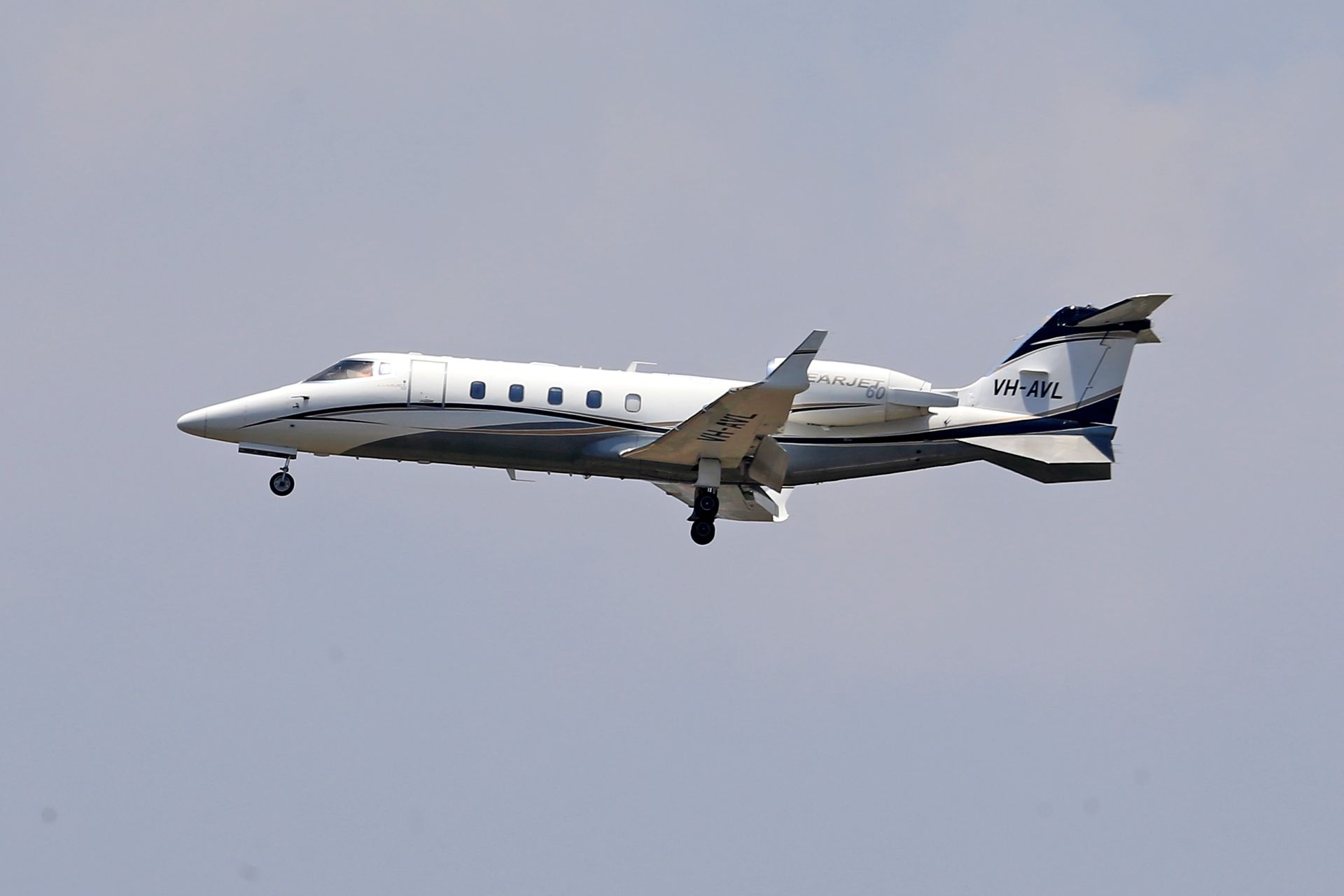
On 1 November, a Learjet 60 private jet crashed in Greenacres, Florida, killing all nine aboard and forcing the evacuation of about 600 residents. Kursiv Uzbekistan recalls previous ill-fated flights involving the same jet type.
Warning: This story contains images and information some readers may find disturbing.
Earlier accidents that involved the Learjet 60 have left investigators with a substantial record to examine. Some involved crews pressing ahead with unsafe landings, while others exposed a dangerous possibility: engines producing forward thrust while pilots were trying to stop.
One such incident occurred after a Learjet 60 struck deer while landing in Troy, Alabama, on 14 January 2001. The aircraft left the runway and caught fire; both pilots survived with serious injuries.
Damage to a landing-gear sensor caused the thrust reversers to retract, followed by forward thrust during the landing roll, according to an investigation record from the US National Transportation Safety Board (NTSB).
WATCH: New video shows Learjet 60 business jet crashing near West Palm Beach, Florida. The plane was completely disintegrated upon impact. Number of casualties unknown. https://t.co/l5JT9KEWnQ
— BNO News (@BNONews) November 1, 2026
Too fast to stop
The first documented fatal landing occurred in southern Brazil on 7 October 2002. At the time, a Learjet 60 carrying five people touched down well along the wet runway at Santa Cruz do Sul, overran it and struck an embankment.
The co-pilot died, the captain suffered serious injuries, and the other three occupants sustained minor injuries.
Brazilian investigators found that the approach had been too high and excessively rapid. The captain continued despite touching down long, believing there was still enough room to stop. Inadequate planning and cockpit coordination also contributed.
The side story: Two killed after cargo aircraft veers off Hong Kong runway
A failure investigators had seen before
The most consequential crash took place on 19 September 2008 in Columbia, South Carolina. Both pilots and two passengers died when a Learjet 60 again overran the runway during an aborted take-off. Two passengers survived with serious injuries.
The NTSB traced the accident to severely underinflated tyres that failed during the take-off and to the captain’s decision to abort after V1, the critical take-off decision speed. Damage affecting the thrust-reverser system allowed uncommanded forward thrust, worsening the crash.
On 5 May 2013, both pilots perished in another crash in Valencia, Venezuela, when their Learjet struck terrain and a building during its approach.
Read more: Air India Boeing 787 crash: What the preliminary report found
An available NTSB summary records the circumstances but supplies no probable-cause finding, as Venezuela led that investigation.
