Joshua Wong was months from freedom. Now he faces another decade behind bars

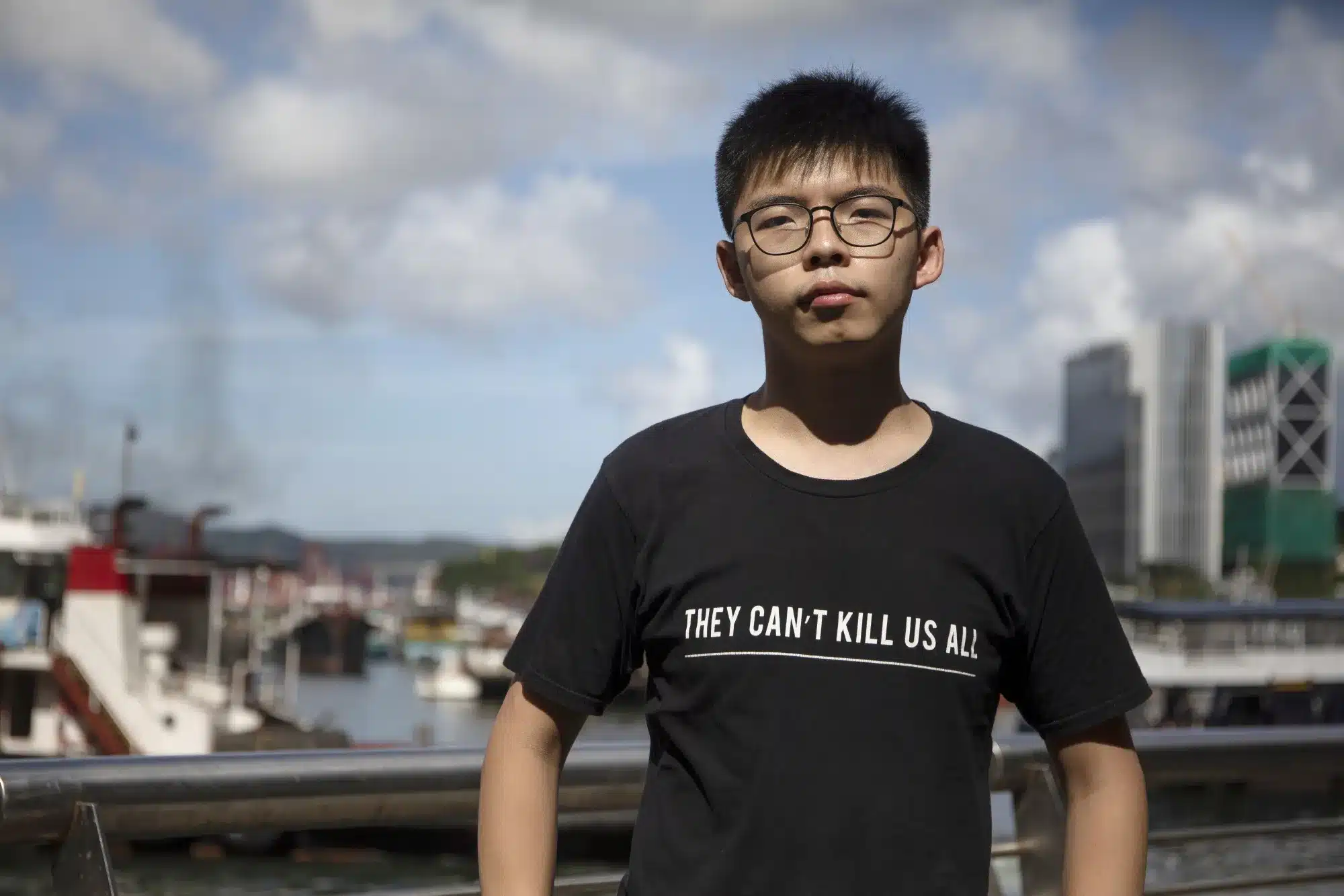
Joshua Wong, one of Hong Kong’s best-known democracy campaigners, will remain in jail for years after receiving a fresh 10-year sentence on Thursday, 5 November. He had been expected to regain his freedom in January 2027.
The court punished the 30-year-old for his role in seeking international sanctions against officials in mainland China and Hong Kong. Wong admitted the charge of conspiring with foreign forces in September.
Judge William Tam set a starting penalty of 13 years before granting a reduction for the guilty plea. Wong’s previous conviction, which carried a four-year and eight-month term, was for his participation in an opposition-organised primary election in 2020.
What led to the new conviction?
The case centred on attempts to persuade foreign governments to penalise officials accused of undermining civil liberties and overseeing police action against demonstrators.
Wong and Nathan Law, another prominent democracy campaigner who now lives outside Hong Kong, were linked to those efforts. Among their demands was an end to foreign arms sales to the city’s police.
Hong Kong pro-democracy activist Joshua Wong’s sentencing for conspiring to collude with foreign forces – his second conviction under the Beijing-imposed national security law – is set to take place at the High Court at 9.30am on Thursday. Around 50 people lined up outside the courthouse for public seats in the morning under the watch of about a dozen police officers. The first few in the line have queued since Tuesday, according to court goers. "We need to let him [Wong] know that many of us are still here," said retiree Margaret Chan, the second in the line. "Many people would like to come but they may have to work, or have to take care of their families. So people like us who have time must show up." Photos: Kyle Lam/HKFP.
— Hong Kong Free Press HKFP (@hkfp) November 5, 2026
To support its case, the prosecution drew on Wong’s interactions with American lawmakers Nancy Pelosi and Marco Rubio, as well as comments he had made to overseas news outlets.
Most of the activities described by prosecutors preceded the introduction of Beijing’s security legislation in June 2020. They also relied on subsequent online material, including Wong’s sharing of Law’s messages, to argue that the alleged conspiracy continued after the law took effect.
How Wong became a leading democracy activist
Wong’s involvement in Hong Kong politics began while he was still at school. At 15, he helped organise resistance to a proposed education programme that critics believed would promote the Chinese Communist Party‘s political views.
Two years later, he emerged as a key figure in the Umbrella Movement. Protesters occupied major streets in 2014 after Beijing proposed an election system that would allow residents to vote for Hong Kong’s leader but restrict the ballot to candidates approved by a screening committee.
The Umbrella Revolution The Resistance Face of Protest The Battle for Hong Kong The world must know more about Hong Kong protests, thus gain the strength to counter the authoritarian threats from the Chinese Communist Party. #StandwithHongKong https://t.co/FqCm2lEq9G
— Nathan Law 羅冠聰 (@nathanlawkc) September 28, 2021
Wong later helped launch Demosisto, a party seeking greater democratic control over Hong Kong’s future. It ceased operations in June 2020, shortly before a new national security law took effect.
That legislation introduced severe penalties for offences including separatism, attempts to undermine state authority and cooperation with foreign entities. Its broad definitions have allowed prosecutors to bring criminal cases against activists over political campaigns, public statements and contacts with overseas organisations.
Human Rights Watch has called for Wong’s release, accusing the authorities of bringing successive cases against opposition figures to prolong their imprisonment.
Elaine Pearson, the group’s Asia director, described the punishment as «cruel and unjust» and argued that the government was imprisoning people for advocating political change. The organisation published its assessment in a statement on 5 November.
Hong Kong officials maintain that prosecutions under the security legislation follow the law and are essential to preventing a return to the unrest of 2019.
