Xiaomi HyperOS 4: Smoother apps, AI notes and new features

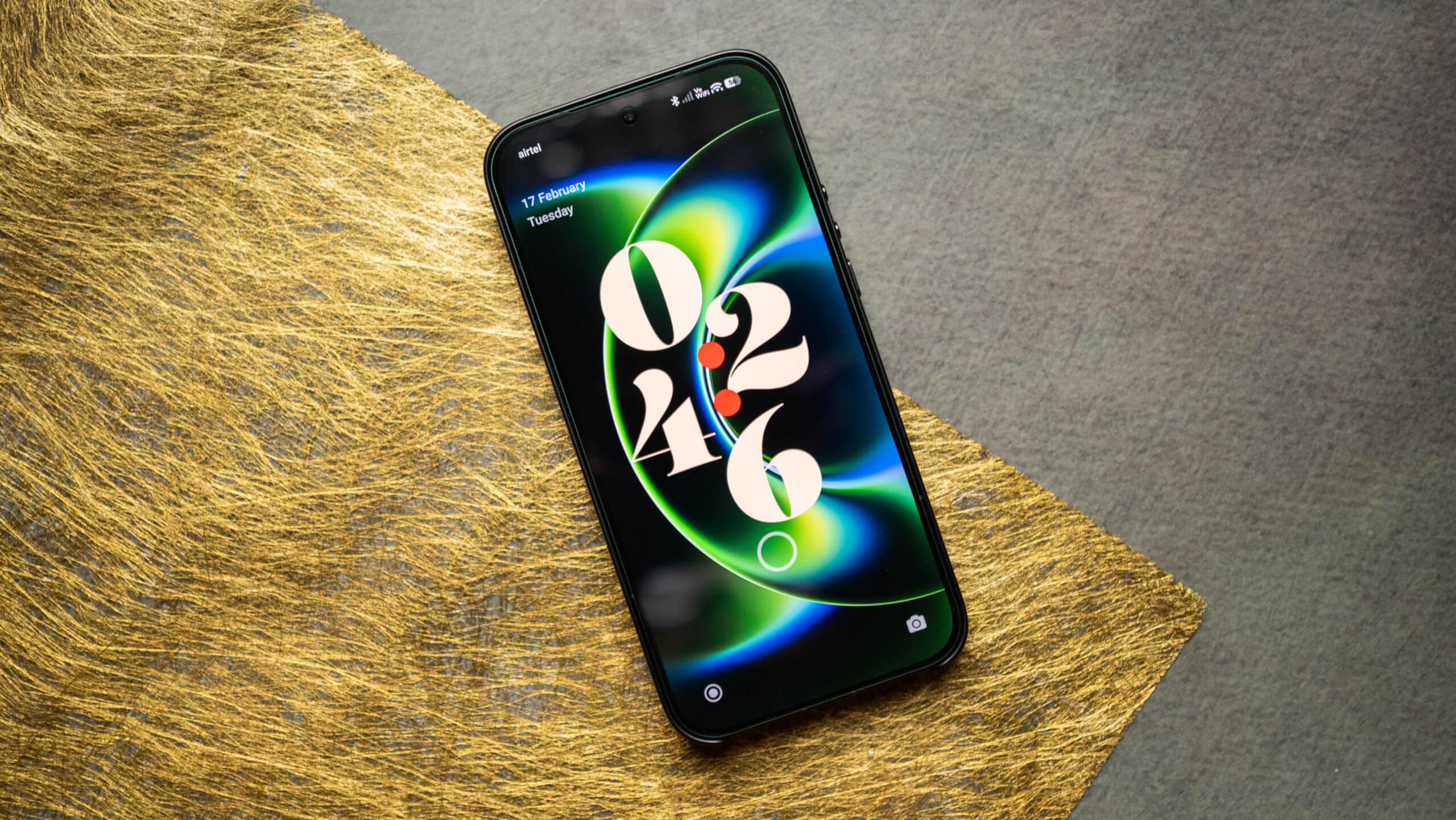
TechSpurt tested the update on the Xiaomi 17 Ultra, highlighting faster performance, a redesigned interface and new AI tools.
Xiaomi HyperOS 4 introduces faster app loading, AI-powered note-taking and a redesigned interface, according to a hands-on review by YouTube technology channel TechSpurt. The reviewer tested the beta software on a Xiaomi 17 Ultra over several days.
The most noticeable improvement was performance. Apps including Instagram, TikTok, Spotify and YouTube opened without significant delays, while Xiaomi’s Gallery handled years of photos with little visible loading time.
Hyper OS 4 vs IOS 27 Animations Test ❤️🔥📱 Xiaomi 18 pro max vs iPhone 17 pro 🍻 Which one wins? Vore below 👇 Hyper OS 4 is the amoothest software i have used. Xiaomi has definitely improved their game. https://t.co/CiGEHugvoQ
— Arsh (@TechTurbanator) November 1, 2026
The reviewer compared the experience with HyperOS 3 running on a Poco F9 Ultra, where images took longer to appear when scrolling quickly.
Xiaomi has reworked several first-party applications and its system launcher to improve responsiveness and memory management. According to the company’s official figures, launching 30 apps after nine hours of use takes 36.8 seconds on HyperOS 4, compared with 40.3 seconds on its predecessor.
However, these improvements were demonstrated on flagship hardware. Performance on less powerful Redmi and Poco smartphones remains untested in the review.
AI features transform notes and voice recordings
One of the biggest changes involves Xiaomi’s Notes app, which can now transcribe speech in real time and turn recordings into structured summaries.
During testing, the reviewer recorded a spoken account of upcoming tasks, including changes to his schedule. The software converted the recording into a checklist with individual tasks that could be marked as completed.
Users can also write notes or take photographs while recording, allowing them to capture information from presentations, lectures or meetings.
Read more: Xiaomi 18 Pro may come with two 200MP cameras and huge battery
The Recorder app gains similar capabilities, including voice enhancement and an option to skip silent sections during playback.
However, TechSpurt found that the silence detection occasionally failed when background noise was present.
HyperOS 4 is seriously smooth this time! https://t.co/PplVIEe3uM
— Rajesh Rajput (Technobuzz) (@iRaj_r) August 18, 2026
New glass design and customisable lock screens
HyperOS 4 introduces Xiaomi’s Soft Light Glass design, replacing several solid interface backgrounds with translucent surfaces.
The changes affect the Control Centre, notification panel and app drawer. Users can choose between Soft Glass and Frosted Glass styles, with the latter providing a less transparent appearance.
The home screen also gains resizable folders. Users can enlarge folders by dragging their corners, allowing them to open apps directly without first entering the folder.
Lock screen customisation has expanded with adjustable clock sizes, movable clock positions and additional fonts and visual effects. Notifications can also appear as a compact stack at the bottom of the screen instead of a conventional list.
The Weather app receives updated animations, including more detailed cloud effects.
Here’s how the weather app looks on the HyperOS 4 vs ColorOS 17 Which one do you prefer? https://t.co/gi57YV4BU4
— Ahmed (@itz_ahmedx) November 1, 2026
When will Xiaomi HyperOS 4 arrive?
According to Xiaomi’s global rollout schedule, the stable update is scheduled to begin reaching the Xiaomi 17 Ultra, Xiaomi 17 and selected Redmi and Poco devices in early November 2026.
Further models, including the Xiaomi 15T series and Poco F9 Ultra, are scheduled to arrive from mid-November. The Xiaomi 13 and 14 series and several older Redmi and Poco devices are expected to follow in December.
A broader list of eligible Xiaomi devices has also been published, although individual release dates may change.
