From must-have to has-been: Is the Labubu craze finally over?

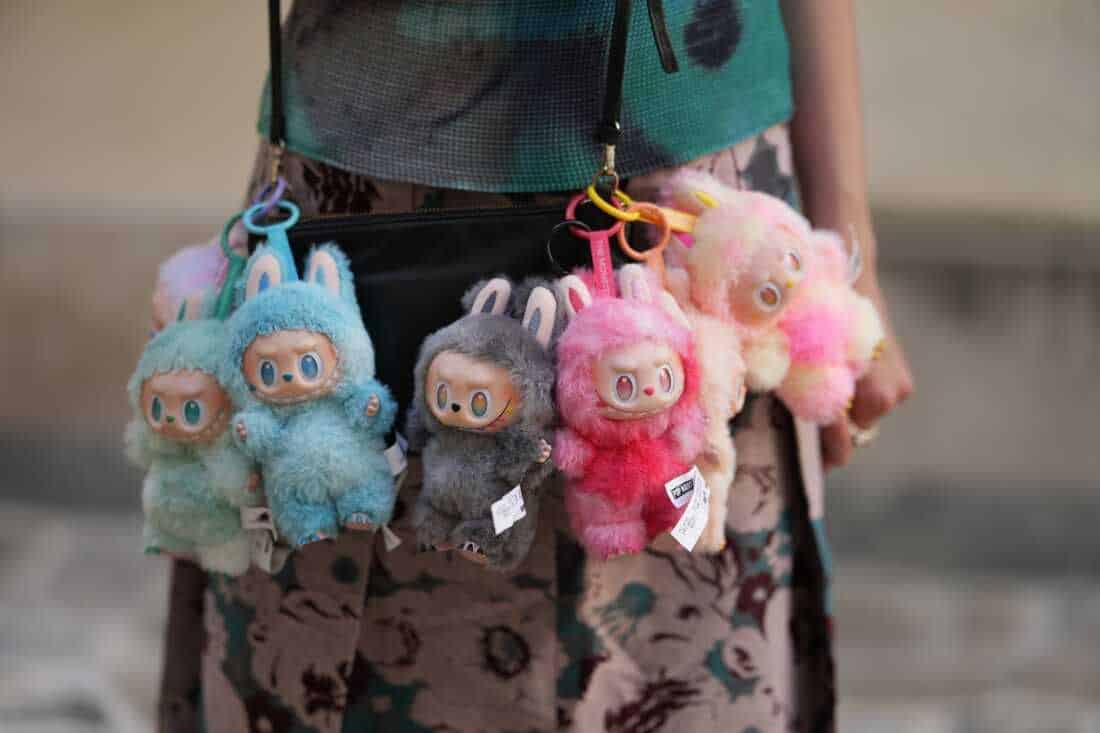
The global obsession with Labubu dolls appears to be fading, with Chinese toy giant Pop Mart reporting a sales decline of up to 50% in the third quarter of 2026, according to the BBC.
The downturn was particularly severe in the United States, where the company’s revenue fell by at least 70% compared with the same period last year. Pop Mart’s shares have also lost more than half their value since their 2025 peak.
The decline comes after Labubu became one of the world’s biggest collectible toy trends, attracting celebrity fans including Kim Kardashian and Blackpink’s Lisa.
Read more: Melbourne man charged over theft of 43 Labubu dolls worth A$9,000
Collectors once queued for hours to buy the furry monsters, typically sold in mystery boxes starting at around $15. Rare editions fetched much higher prices, with one human-sized Labubu selling for more than $150,000.
However, the frenzy has weakened as the dolls have become easier to find.
Why are Labubus losing popularity?
Experts believe Pop Mart’s decision to increase production removed much of the exclusivity that originally attracted collectors.
Ashley Dudarenok of China research firm ChoZan told the BBC that scarcity had been central to Labubu’s success. As supply increased, the excitement of finding a rare doll began to disappear.
Read more: Labubu film announced with Paddington director Paul King
Some collectors have also noticed declining interest online.
An American collector known as Ensito, who spent more than $50,000 on over 400 Labubus, said his videos no longer attract the audiences they once did. He has since shifted his attention towards other collectibles.
Meanwhile, competing toys such as Sonny Angels and glow-in-the-dark Smiski figurines are gaining popularity.
Despite the slowdown, Pop Mart remains one of the world’s most valuable toy companies, with a market capitalisation of nearly $24bn and around 500 stores across more than 30 countries.
The company is attempting to extend Labubu’s appeal beyond toys through a planned film and a theme park in Beijing.
Read more: Labubu doll supplier accused of exploiting workers in China
Analysts say its biggest challenge is turning a viral trend into a lasting franchise comparable to Disney or Hello Kitty.
Not all collectors are abandoning Labubu. Some told the BBC they still enjoy the dolls but have become more selective about new purchases, suggesting the craze may be fading without disappearing entirely.
