Tashkent or Almaty? New study reveals where businesses have it easier

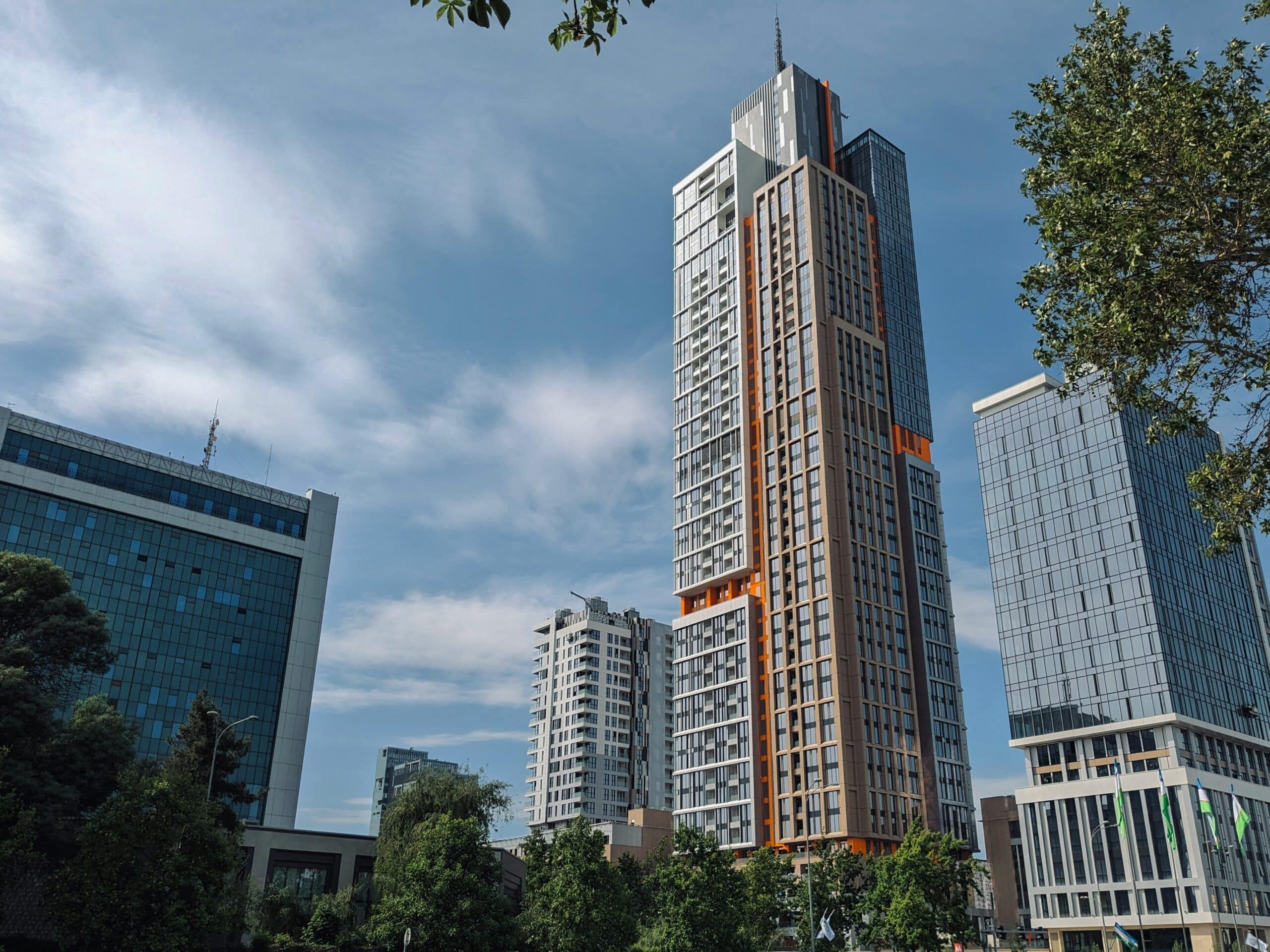
Tashkent has taken 25th place among 30 cities assessed for business and industrial development, earning 40.1 out of 100 points, according to the Global South Cities 2026 report by Russian consultancy Yakov and Partners, prepared with research support from ROMIR.
The Uzbek capital trailed Almaty, which finished 21st with 41.3 points. Both were classified as cities with developing business environments, alongside Baku, Johannesburg and Istanbul.
Tashkent’s strongest area was government administration and public services, with 60.1 points. Finance and taxation received 47 points, while human capital and quality of life earned 48.9.
How did Almaty and other cities perform?
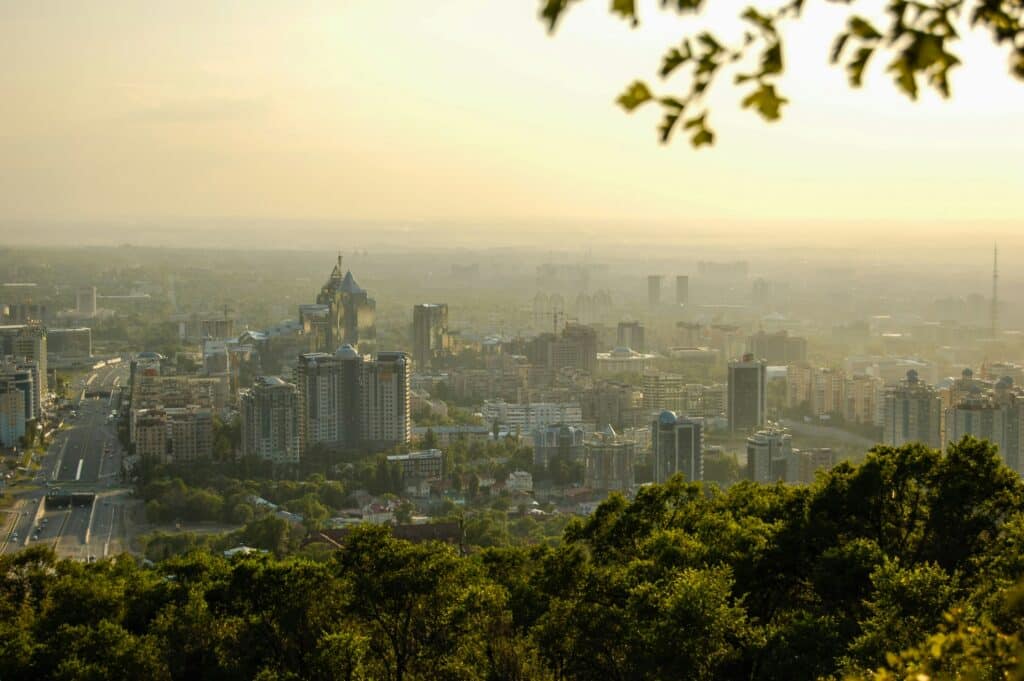
Almaty held an advantage in workforce quality and living standards, earning 57.1 points compared with Tashkent’s 48.9. The Kazakh city also performed better in digital infrastructure and government services, although Tashkent narrowly edged ahead in transport connectivity.
Singapore led the assessment with 69.8 points, followed by Shanghai at 66.3. Moscow and Dubai completed the top four, each earning 57.3 points when rounded.
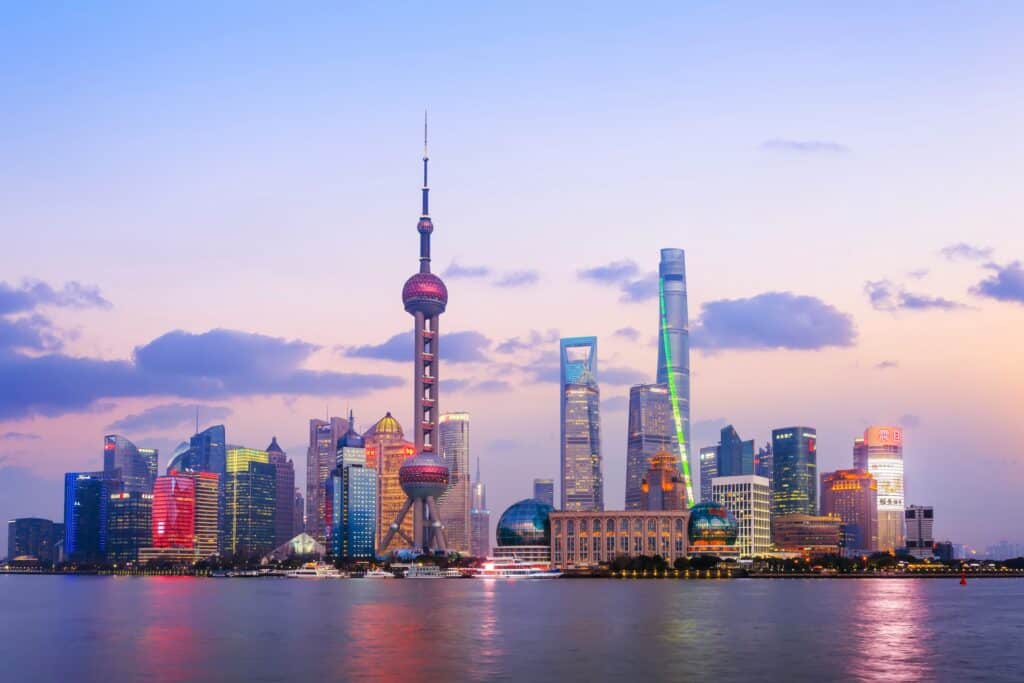
Researchers highlighted Singapore and Shanghai for their well-developed infrastructure, access to skilled workers and strong innovation systems.
The study used 113 indicators across seven categories, drawing on official statistics, surveys of company executives and other datasets.
What is holding Tashkent back?

Tashkent’s biggest weakness was innovation, where it received just 10.1 points against Singapore’s 81.2. Transport connectivity also lagged at 31.6 points.
The researchers recommend improving transport and utility networks, expanding digital infrastructure and developing industrial hubs with laboratories, production facilities and logistics services.
The Uzbek capital is planning new industrial and logistics projects and has agreed to develop a Chinese-backed logistics hub. Uzbekistan also recorded $28.4bn in investment during the first half of 2026, with manufacturing attracting the largest share.
