Everyone is talking about Honor Magic9, but is Magic8 Pro holding up?

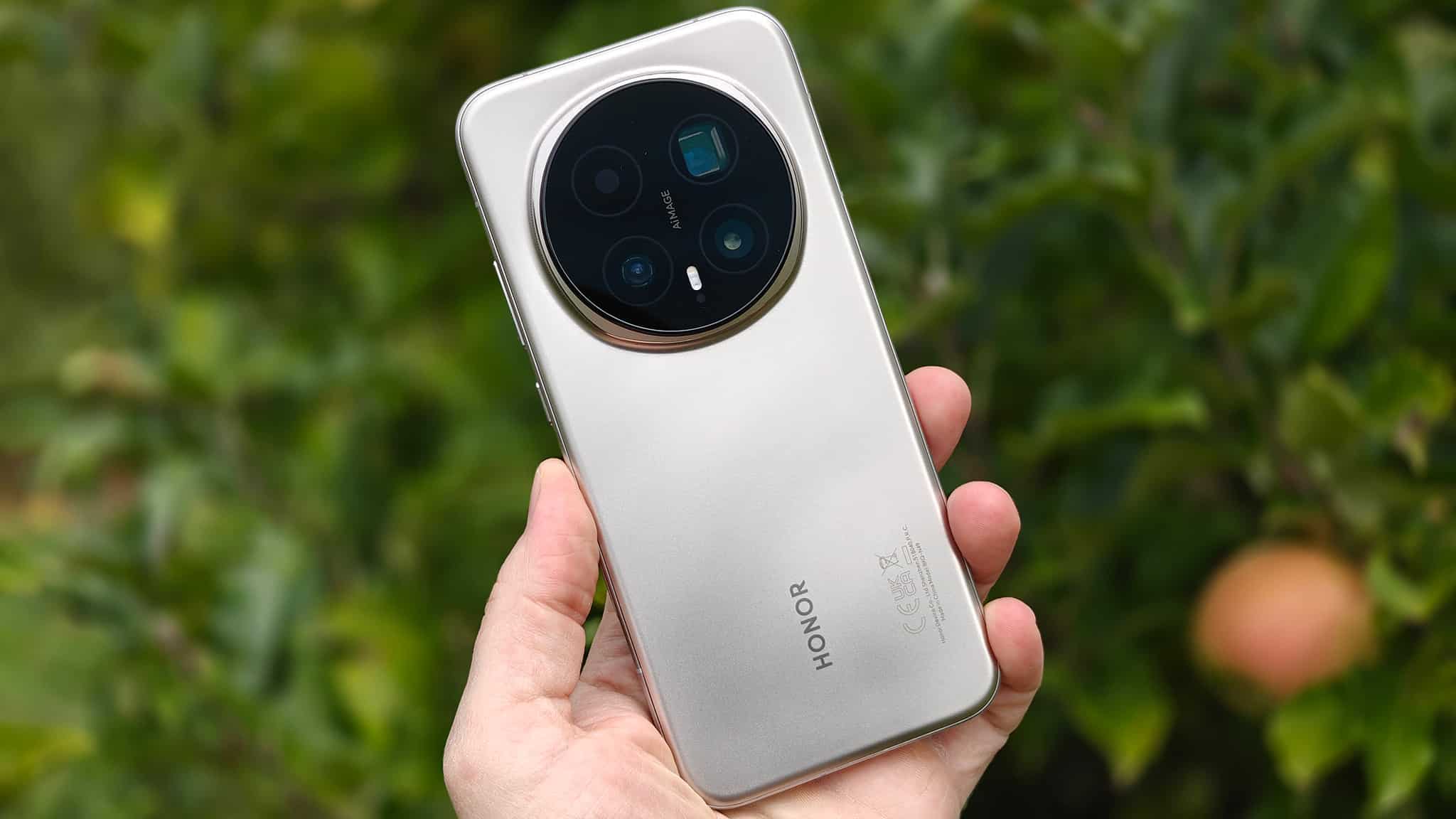
Can the Honor Magic8 Pro last two days on a single charge, take great photos without constant adjustments and keep up with a journalist’s busy schedule? With the newer Magic9 generation attracting attention, we decided to find out whether its predecessor still deserves a place among today’s premium smartphones.
At Kursiv Uzbekistan, we’re launching a new series of tech reviews with a slightly different approach: less time chasing benchmark scores, more time seeing how gadgets handle actual work.
Honor Uzbekistan was among the first to share its devices with us, giving us the opportunity to explore what they do particularly well and where there is still room for improvement.
- Battery life is its biggest strength
- The selfie camera might convince me to switch
- Gaming and a few clever extras
- Great hardware, slightly annoying software
- So, is the Magic8 Pro still worth buying in 2026?
Battery life is its biggest strength
I used the Magic8 Pro primarily for work, from Telegram and browsing to watching videos and taking photos. I also occasionally compared it with my personal flagship device released in 2025.
The Magic8 Pro packs a Snapdragon 8 Elite Gen 5 processor, a 6.71-inch 120Hz OLED display and a large 7,100 mAh battery in the Uzbekistan version.
And that battery genuinely impressed me.
With Telegram, browsing and plenty of YouTube, I could stretch it to two days. That included roughly eight hours of YouTube viewing in total, although I did not measure it precisely.
Even on days when I spent hours scrolling Instagram and TikTok, the phone lasted from waking up until bedtime without strain.
The display is another highlight. It is bright, colourful and exceptionally smooth. Switching to the Magic8 Pro from my own device, I noticed virtually no difference in responsiveness. And it doesn’t heat up as fast. Most of the time, the phone felt cool to the touch.
Honor also includes a charging brick, cable and protective case in the box. Something increasingly rare among flagship phones.
The selfie camera might convince me to switch

The Magic8 Pro has a 50 MP main camera, a 50 MP ultra-wide, a 200 MP telephoto with 3.7x optical zoom and a 50 MP selfie camera.
Of these, the front camera impressed me most.
Compared with other peer devices, Honor captures a noticeably wider frame. Instead of filling the entire picture with my face, it includes more of the background. The selfies are bright, vibrant and genuinely flattering.
If this were my everyday phone, my friends would probably be getting selfies from me daily.


Daytime photography is equally effortless. While some reviewers have found themselves manually adjusting exposure on the Magic8 Pro, that was rarely necessary in my experience. I simply pointed and shot, and the results were usually bright, colourful and ready to share.
Photos looked excellent at normal viewing sizes, although zooming into them sometimes revealed a loss of detail.

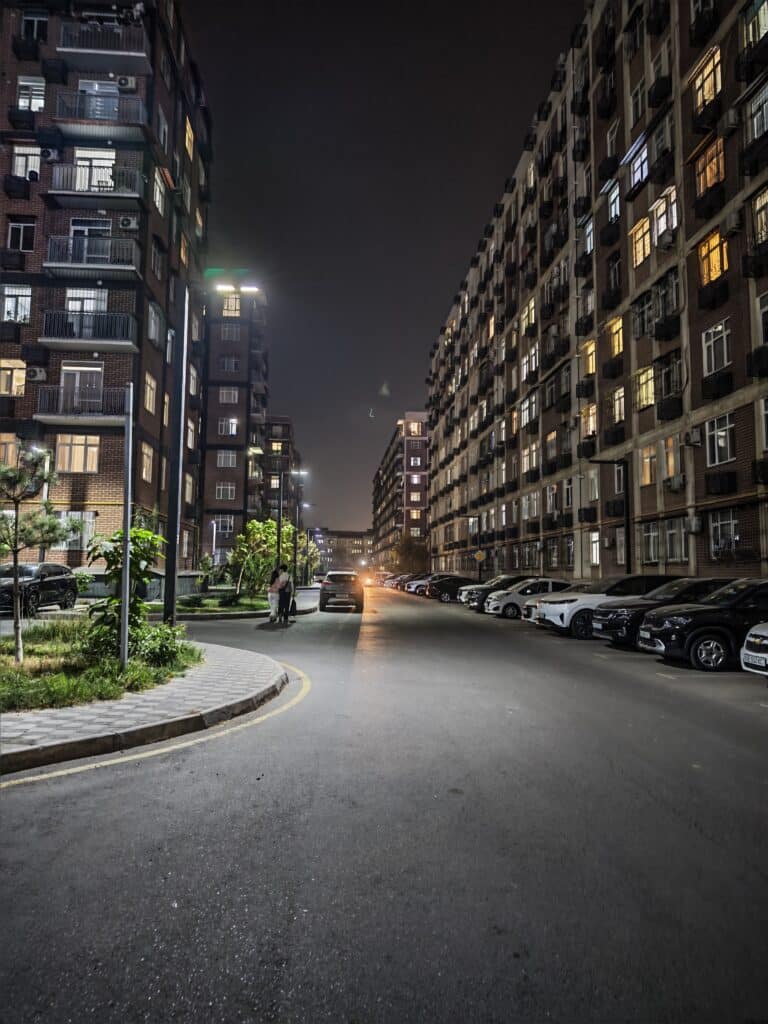
Night photography was less consistent. Pictures generally looked good, but I occasionally needed to adjust the exposure.
The night video was the bigger disappointment. While daytime footage was smooth and colourful, low-light recordings looked greyer and noticeably shakier than those from my usual smartphone.


There is one clever nighttime feature, though. When taking selfies in poor lighting, the screen illuminates the area around your face, effectively acting as a soft light. It works surprisingly well.
Gaming and a few clever extras
The Magic8 Pro is not marketed as a gaming phone, but its Snapdragon 8 Elite Gen 5 processor has plenty of power for demanding titles.
According to Coolsmartphone’s testing, even Genshin Impact ran smoothly at high settings, with stable frame rates and no uncomfortable overheating during longer sessions.
Honor has also included a few features that make the phone more interesting than your average Android flagship.
One is a dedicated AI Button that can launch the camera with a double press, summon Honor’s YOYO assistant with a long press and even control camera zoom through sliding gestures.
There is also AI Colour Chasing, which lets you copy the colour palette of a reference image and apply it to your own photos. Meanwhile, the display offers AI Defocus and high-frequency dimming features designed to reduce eye strain during long reading or gaming sessions.
For someone who spends hours reading messages, checking documents and working on a phone, that last feature sounds particularly useful, although I did not specifically test its effectiveness.
Great hardware, slightly annoying software
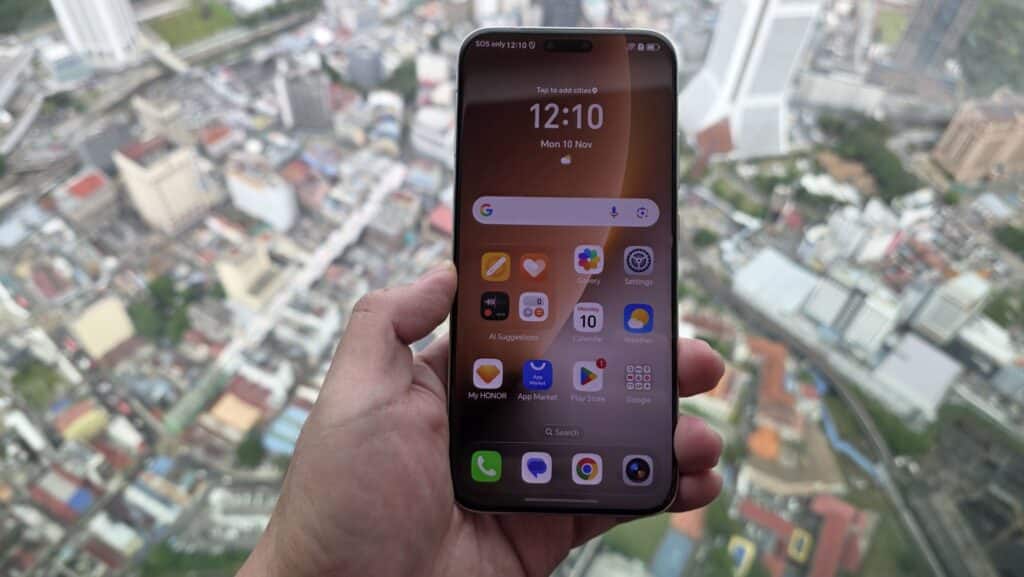
MagicOS 11, based on Android 17, runs smoothly. Apps open quickly, multitasking feels effortless and performance never gave me a reason to complain.
The software experience, however, has a couple of irritating details.
Promotional notifications appeared frequently throughout the day. I also disliked the folders filled with suggested app icons that I had not actually installed. You can download several at once, which some users might appreciate, but I would rather have a cleaner home screen.
Neither problem is particularly serious, but both feel unnecessary on a premium device.
So, is the Magic8 Pro still worth buying in 2026?
After using the Magic8 Pro, I would not dismiss it just because a newer generation exists.
Its battery life is excellent, the display feels as responsive as its near competitors, and the selfie camera is one I genuinely wish my S25 Ultra had.
Samsung produced steadier nighttime videos in my casual comparisons, and Honor could improve its software experience.
But if you mainly want a phone that lasts all day, takes great photos without much effort and handles everyday tasks smoothly, the Magic8 Pro remains a compelling flagship.
This is especially true if the arrival of the Magic9 series brings its price down.
