OPEC+ oil output rebounds as supertanker rates hit a record

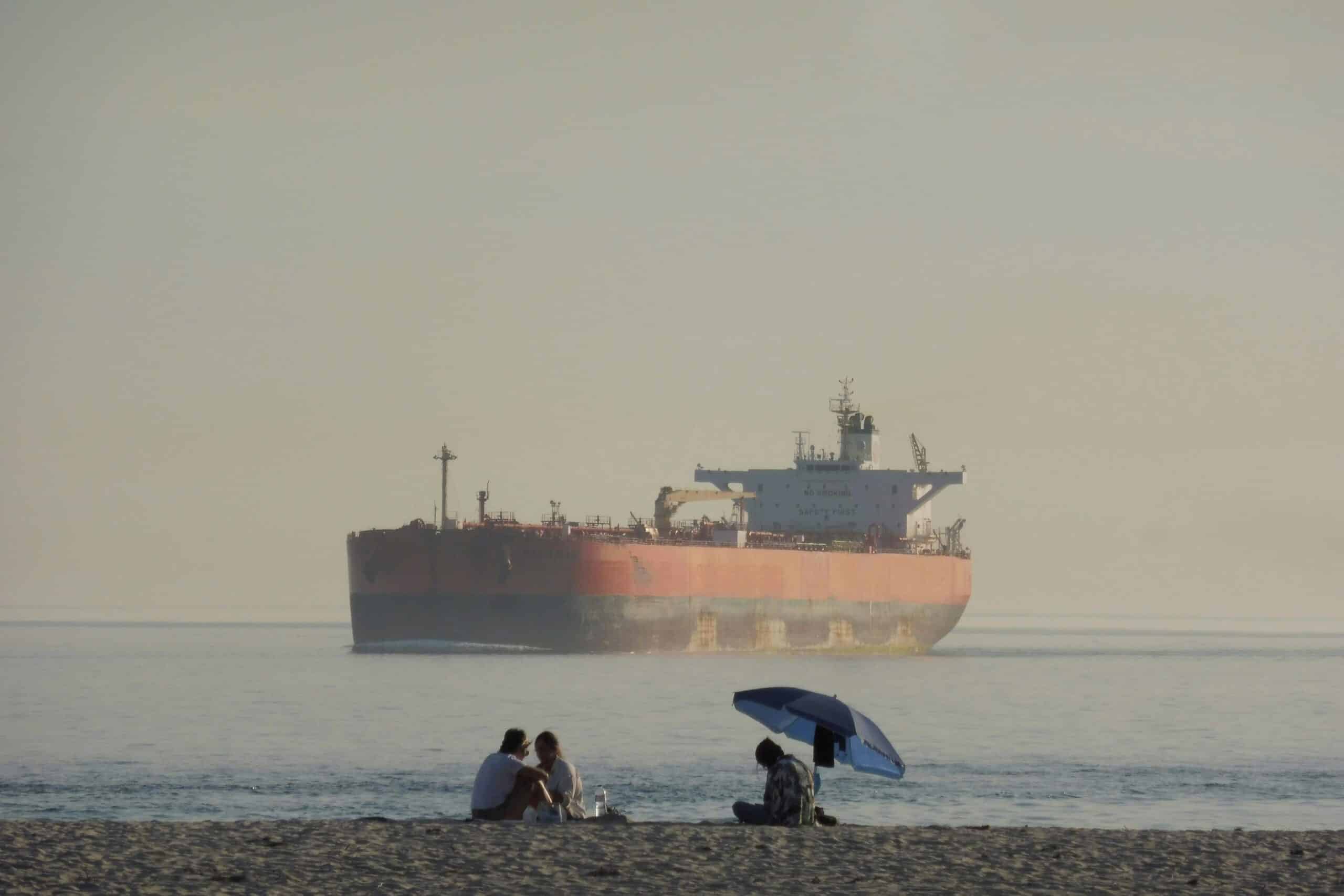
Oil producers are bringing millions of barrels a day back to market. The price of booking space on the world’s biggest crude tankers shows how much harder it still is to move that oil.
OPEC+ pumped 41.23 million barrels of crude a day in October, up 2.04 million from September, according to secondary-source estimates in the OPEC report for November. That was about 97% of the alliance’s February output, before the Iran war disrupted flows through the Strait of Hormuz.
However, spot rates for the biggest crude tankers increased by 33% in just one month, reaching levels that were over ten times higher than in October 2025. According to OPEC, recovering cargo volumes, disrupted trade routes, and longer voyages are holding up ships.
Longer voyages, fewer ships
October saw an increase of $6.32 from September, with Brent futures averaging $108.34 per barrel. Additionally, the report noted that by the end of September, global oil inventories had fallen 537 million barrels from their February peak, resulting in a smaller buffer against potential disruptions.
Read more: Oil prices rise as Iran hardens demands over Strait of Hormuz
Tanker rates from the Middle East to Asian markets were more than 13 times their level a year earlier. The pressure spread to smaller ships as buyers switched vessel classes. On the US Gulf Coast-to-Europe route, rates for Suezmax tankers rose 139% from September alone. Freight rates for tankers carrying refined fuels rose 51% on average.
Saudi Arabia leads the rebound
Saudi Arabia accounted for more than half of the alliance’s production increase, adding 1.18 million barrels a day on OPEC’s secondary-source measure. Iraq added nearly half a million. Kazakhstan’s crude output rose by 34,000 barrels a day to 1.89 million.
Dive deeper: Houthis pile pressure on Bab el-Mandeb. Here is what it means for oil markets and global trade
The stockpile draw
From February to September, 294 million barrels of the draw were attributed to non-OECD inventories, with China accounting for an estimated 156 million. The OECD countries used their emergency reserves to withdraw 218 million barrels.
TDespite a nearly 24 million barrel increase in their commercial crude stocks, their refined products stocks (petrol, diesel, etc.) were 81 million barrels lower in September compared to the same month last year.
Read more: Low global oil inventories cast doubt on market optimism after US–Iran deal
OPEC kept its demand forecasts unchanged. It expects global oil demand to rise by just 200,000 barrels a day in 2026, then by about 2.6 million in 2027, with countries outside the OECD accounting for about 2 million of that increase.
