Wisconsin bird flu outbreak forces culling of entire backyard flock

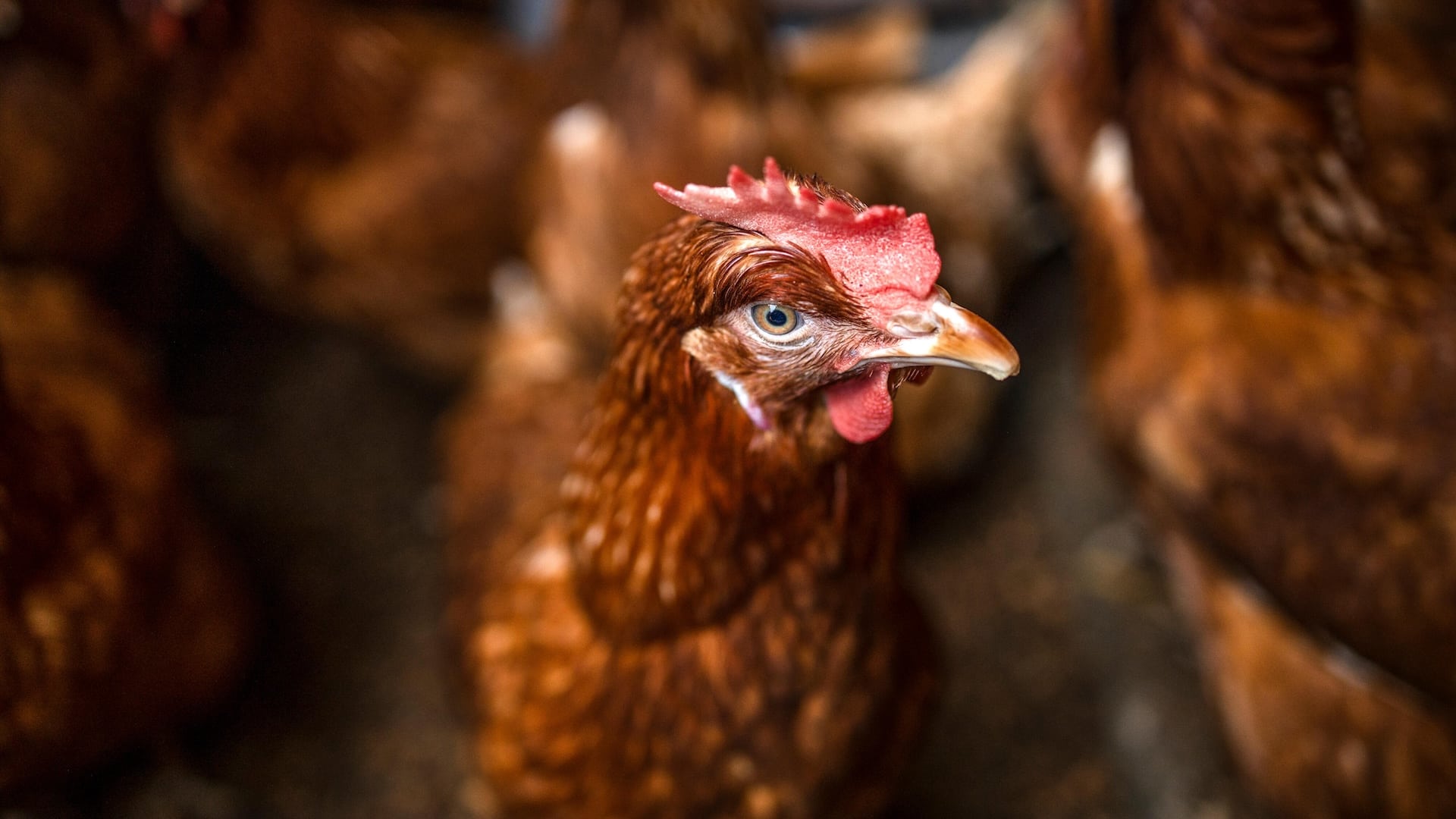
US authorities have euthanised an entire backyard poultry flock in Wisconsin after confirming an outbreak of highly pathogenic avian influenza in Rusk County, the state’s Department of Agriculture, Trade and Consumer Protection (DATCP) announced on November 12.
All birds on the affected property were destroyed to prevent further transmission and will not enter the food supply. Officials have not disclosed how many birds were involved or how the infection reached the flock.
The virus is highly contagious among poultry and can be fatal to domestic birds. It spreads through contact with infected animals, wild bird droppings and contaminated equipment or clothing.
Wisconsin has recorded several outbreaks this year. In October, authorities confirmed infections at two commercial poultry facilities in Barron County, including one involving more than 41,000 birds.
The latest detection comes as avian influenza continues to circulate among wild and domestic birds across North America, where the current outbreak has persisted since December 2021.
Is bird flu dangerous to humans?
Despite the outbreak, the US Centers for Disease Control and Prevention (CDC) says the risk to the general public remains low.
Human infections are uncommon and have mainly occurred among people who work closely with infected poultry, dairy cattle or contaminated environments.
The CDC also says properly cooked chicken and eggs remain safe to eat. Cooking poultry products to an internal temperature of 74°C kills avian influenza viruses.
Wisconsin authorities may establish a 10-kilometre surveillance zone around the affected property to monitor other poultry operations. However, neighbouring backyard flock owners would not automatically face restrictions on moving their birds.
The agriculture department has advised poultry keepers to limit contact between domestic and wild birds, disinfect equipment and keep animals indoors whenever possible.
Owners should also isolate newly acquired birds for at least 30 days and report unusual illness or unexplained deaths to animal health officials.
