Uzbekistan wants Stone Age Sarmishsay rock art on UNESCO heritage list

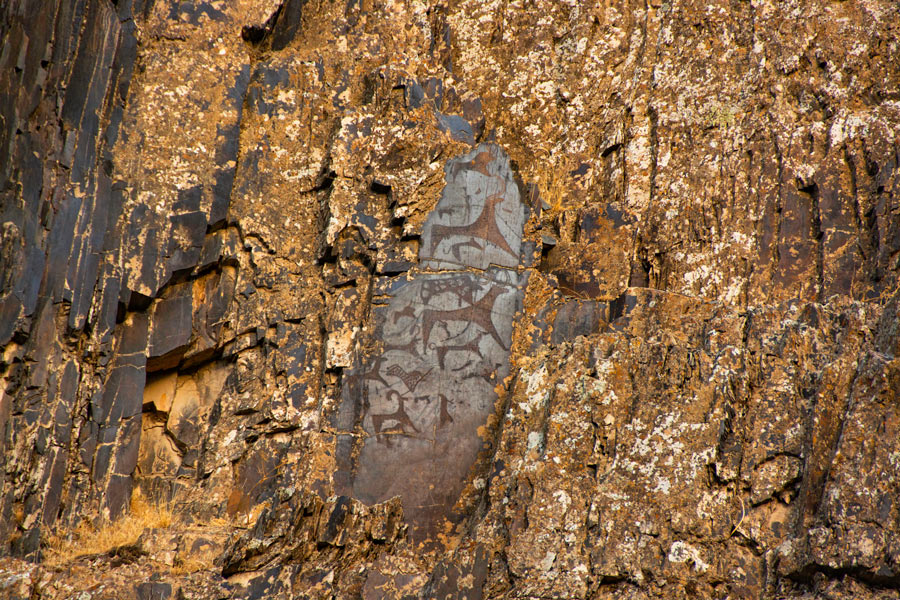
Uzbekistan is preparing to nominate the Sarmishsay petroglyphs in Navoi Region for UNESCO World Heritage status, with officials considering an application that would recognise both the ancient rock carvings and their natural surroundings, the Dunyo news agency reports.
The proposal was discussed during an online meeting involving Uzbekistan’s UNESCO delegation and international rock-art expert Benjamin Smith, a professor of archaeology at the University of Western Australia.
Smith praised the site’s archaeological importance but said further research into its landscape and natural features would be needed before Uzbekistan could submit a strong application.
What makes Sarmishsay special?
Located in the Nurata district, Sarmishsay contains approximately 10,000 ancient rock carvings depicting animals, hunting scenes, rituals and everyday life.
Some date back thousands of years to the Stone Age, while many others were created during the Bronze Age. The images offer a glimpse into how ancient communities in Central Asia lived and interacted with their environment.
The surrounding valley is also home to around 650 plant species, including 27 found only in the area, according to UNESCO’s description of the site.
Uzbekistan hopes to secure recognition for Sarmishsay as a mixed heritage site, a designation reserved for places with both cultural and natural significance.
Before moving forward, Uzbekistan must establish clear boundaries for the protected area, compare Sarmishsay with similar sites abroad and develop a long-term conservation plan.
Protecting the carvings from vandalism and damage is also a concern. UNESCO’s documentation notes that some rock surfaces have been affected by graffiti, requiring restoration and measures to limit direct contact with visitors.
Officials and international experts agreed to continue exchanging research and preparing the necessary documents.
