
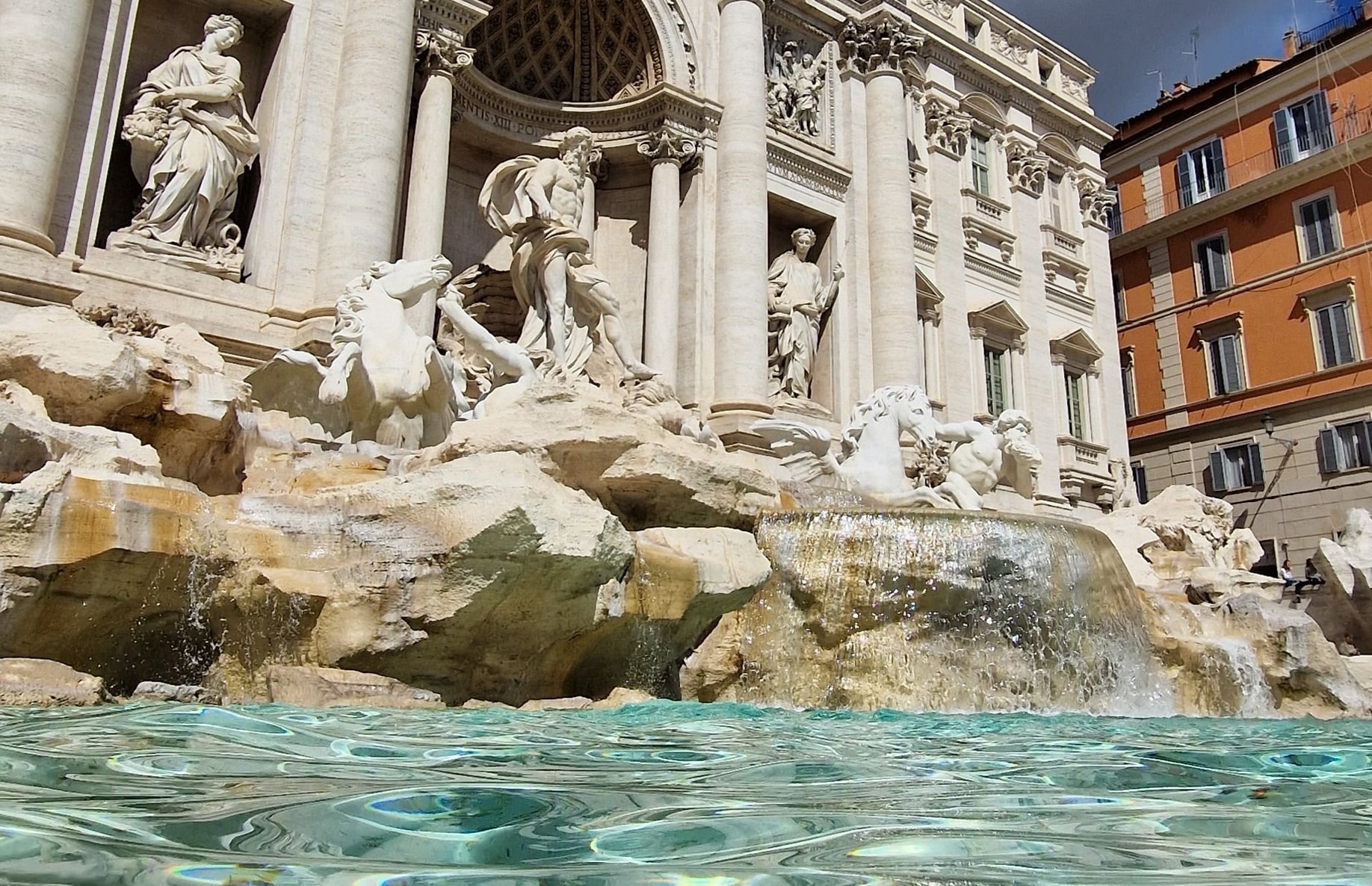
Rome’s Trevi Fountain took in tens of thousands less in euro coins in the first nine months of 2026 than a year earlier, according to Radio Roma Capitale.
The media outlet cited Catholic charity Caritas Roma, whose January-to-September tally was €174,000 lower than a year earlier, when the fountain took in €1.42m in euro coins. That’s a drop of just over 12%, with the count of foreign coins still pending.
The haul was also lighter. The coins retrieved from the basin weighed 22.7 tonnes, about 5.3 tonnes less than in the same period in 2025.
Rome’s municipal authorities introduced the ticket on 2 February to manage crowds and protect the landmark. How much of the shortfall is down to the charge remains unclear, but the tighter access may have played a part in the decline.
Ever wonder what happens to the millions of coins tossed into Rome’s Trevi Fountain? Twice a week, city workers dive in to collect over €1.5 million annually—all donated to charity. [📹 amandarx21] https://t.co/hwfHskTnOb
— Massimo (@Rainmaker1973) November 3, 2026
Read more: Thailand may charge tourists entry fee to make up for treatment costs
How to get to the water
The view from Piazza di Trevi is free. The €2 ticket takes you down to the basin, where you can still toss a coin over your shoulder for a return trip to Rome, if you believe the legend. Buy online or pay by card at the entrance. Metropolitan Rome residents, children under six and visitors with disabilities and one companion can enter free.
Coins in the Trevi Fountain. https://t.co/njxpfYH4Pv
— The Figen (@TheFigen_) October 18, 2023
This might interest you too: Uzbekistan on a budget: how much will a trip cost you in 2026?
The lower area normally opens at 9am, or 11.30am on Mondays and Fridays, with the entrance closing at 9pm.
Where the coins go
Caritas Roma said the fountain raised €1.86m in 2025. On 11 November, Rome and the Vicariate renewed their agreement for another three years, with the loose change going to soup kitchens, food banks and shelters across the city.
Read more: Rome Launches Probe After Fresco Resembles Italy’s Prime Minister
The Baroque fountain was built between 1732 and 1762 to a design by Nicola Salvi, with Oceanus riding a shell-shaped chariot at its centre. It is renowned for the coin toss and for the scene in Federico Fellini’s La Dolce Vita in which Anita Ekberg wades into the basin and calls Marcello Mastroianni to join her.
