Costly food, AI bust, Taiwan and other shocks the world should fear in 2027

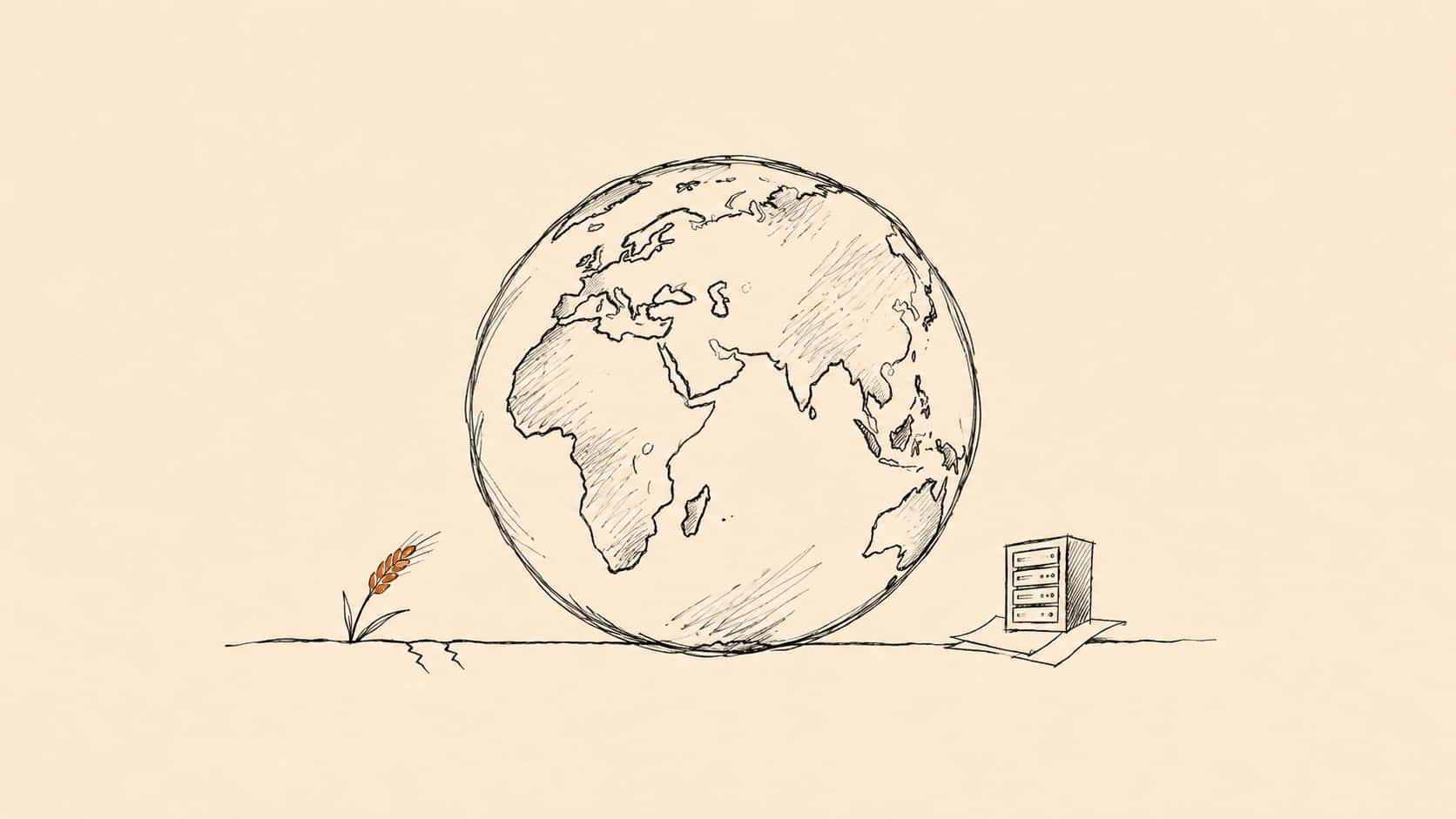
The Iran war could show up in grocery bills long after it disrupted shipping. In its 2027 outlook, The Economist also warns that two big borrowers, rich governments and AI companies, could find lenders in a less forgiving mood.
The Economist editor Tom Standage placed the battle to succeed Donald Trump at the forefront of The World Ahead 2027. Democrats won majorities in both houses of Congress in the November midterms, prompting Trump to use executive orders more and pick more legal fights as he tries to shape his legacy.
The presidential election in France, scheduled for the next spring, is another potential flashpoint. The Economist argued that if Marine Le Pen, the leader of the French far-right, wins, that victory could strain France’s partnership with Germany and make investors more nervous about lending to Paris.
Modern life can feel like being in a sci-fi story—all that is missing is the aliens. They probably won’t appear in 2027. Here are ten other things to watch out for https://t.co/xKBryc4hSW Illustration: Cleon Peterson https://t.co/bnV12C0ZOX
— The Economist (@TheEconomist) November 17, 2026
The magazine also singles out Taiwan. US officials maintain that the Chinese leader Xi Jinping wanted China’s military ready to take the island by force by 2027, if ordered. American intelligence agencies assess that Beijing has no current plan to invade in 2027, but the readiness target continues to put pressure on Taiwan’s defences.
Read more: Democrats swept House and Senate races. What would their Central Asia policy look like?
The war reaps the harvest
Disruptions in the Strait of Hormuz are hitting supplies of fertiliser and the materials used to make it. The UN Food and Agriculture Organization warned that supplies arriving late can mean smaller harvests months later.
Meanwhile, a powerful El Niño could compound the damage by shifting rainfall and intensifying heat. US forecasters expect it to stay strong or forceful through the first three months of 2027. The Economist expects another record-hot year, with droughts, wildfires and heatwaves among the risks.
Pricier food
The World Bank projects global food commodity prices to rise about 7% in 2027, following an estimated 10% increase this year. It cites disrupted grain shipments, threats to harvests and costly fuel and fertiliser. Those figures follow global commodity prices, and what shoppers pay will differ by country.
Read more: Houthis pile pressure on Bab el-Mandeb. Here is what it means for oil markets and global trade
Government debt
The IMF forecasts that French public debt will be around 120% of GDP in 2027. Fitch has already downgraded France’s credit rating, citing slowing growth, higher borrowing costs, and a growing deficit. If investors demand higher returns on French bonds, Paris will pay more to borrow or refinance maturing debt. The Economist sees similar pressures building in other wealthy countries.
AI’s growing debt bill
The magazine saw a greater risk of a crash as AI firms take on debt in deals that can be particularly difficult for investors to untangle. It also expects a stronger backlash against big tech as AI’s political and cybersecurity risks become clearer.
Reuters reported this month that some banks were already hesitating to finance more projects. For its part, Goldman Sachs Research forecasts that the biggest cloud providers will issue $420bn in debt in 2027, up from an estimated $250bn this year.
Up close: Democrats’ wins raise fears of data centre curbs. Which AI sites are at risk?
If returns on AI projects disappoint, investors could mark down their value just as companies need more money to finish them. The IMF has identified an AI sell-off and a sharp rise in government bond yields as two risks that could make credit harder to obtain across the economy.
