Uzbekistan to build migrant deportation facilities across six regions

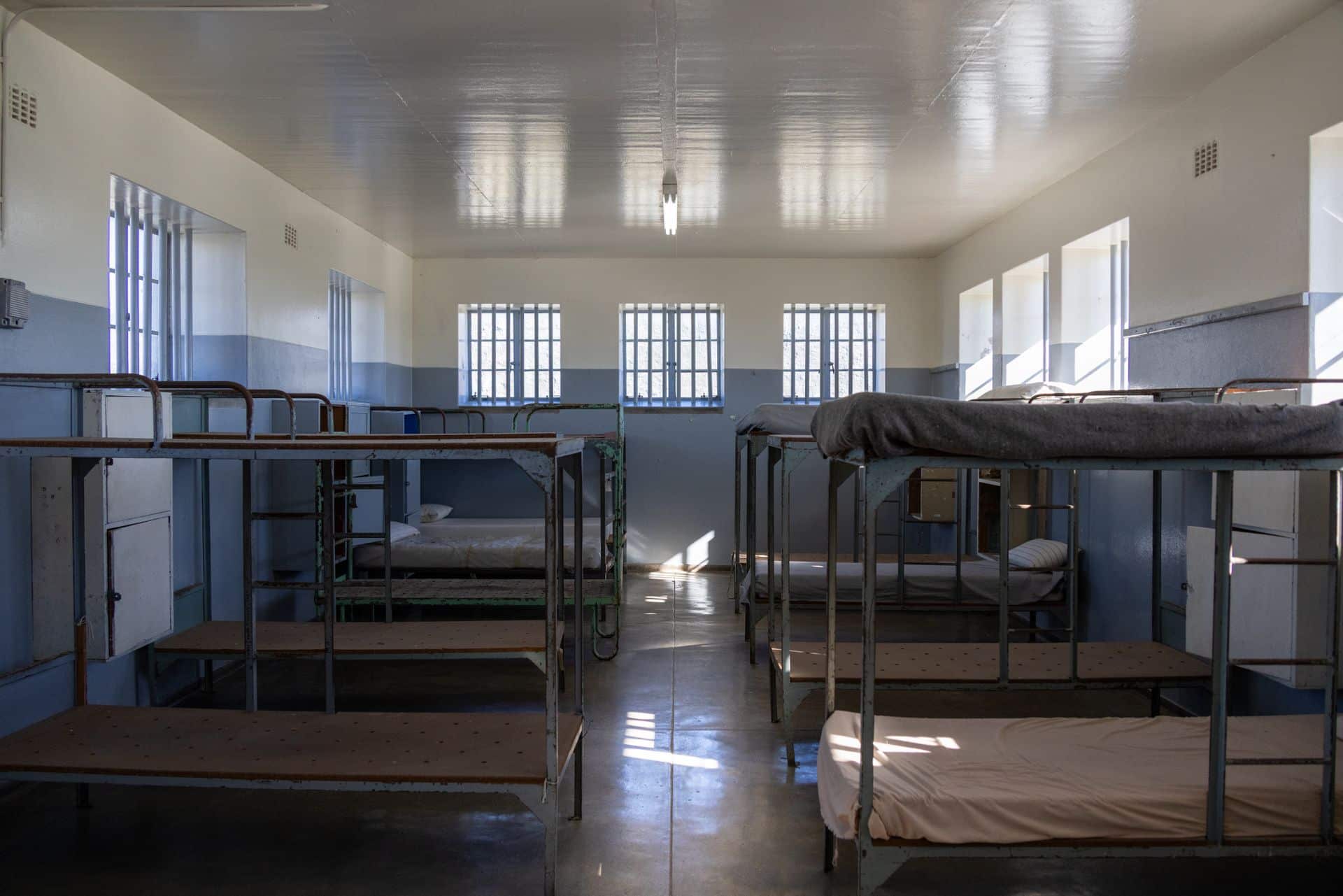
Foreign nationals and stateless people facing removal from Uzbekistan could be held for up to a year under draft legislation from the Interior Ministry that would see migrant detention centres rolled out across six regions of the country.
The proposal, which is open for public consultation until 3 December, states that Tashkent will be the location of the first facility opening next year, followed by the construction of five more detention centres in Samarkand, Bukhara, Khorezm, Surkhandarya, and Fergana from 2028 to 2030.
The ministry’s Migration and Personalisation Department would run the centres. The draft gives no site addresses, bed counts or cost estimates but sets minimum living space at 2.5 square metres per person and 3 square metres for women and minors.
Rooms for pregnant women, women with children, and patients with infectious diseases would require at least 4 square metres of space per person.
Who could be held in deportation facilities
The draft covers foreign nationals who are temporarily or permanently staying in Uzbekistan, as well as stateless people who are temporarily in the country and are to be returned abroad. A district or city criminal court could order placement and subsequent deportation on the following grounds:
- Missing or expired identity documents or equivalent papers.
- Failure to leave Uzbekistan after a court ordered administrative expulsion.
- Loss of contact with the Uzbek individual or organisation that invited the person.
- A violation in an urgent case or when the court cannot be notified through the usual channels, including in the evening or on holidays.
- Being declared undesirable, failing to leave voluntarily within 10 days, and being unable to be deported immediately.
- ‘Other circumstances’ specified by the law.
The draft provides for access to lawyers and interpreters and contact with consular representatives.
Read more: US deports 18 Uzbek nationals as migration enforcement continues
Where detainees would be sent
Once officials establish a person’s identity and place of residence, the centre would arrange for their return to the country in which they live. The draft cites Uzbek law and international treaties for that process. It contains no provision for admitting people sent to Uzbekistan by foreign governments.
In a conversation with Kursiv Uzbekistan, Uzbekistan’s Foreign Ministry denied reports that it was in talks with the EU about hosting centres for people whose asylum claims had been rejected.
A separate migration agreement with Austria, due to take effect on 1 December, covers readmission and transit in specified cases. It names none of the proposed sites.
