Hungary now tests twice for syphilis to protect newborn babies

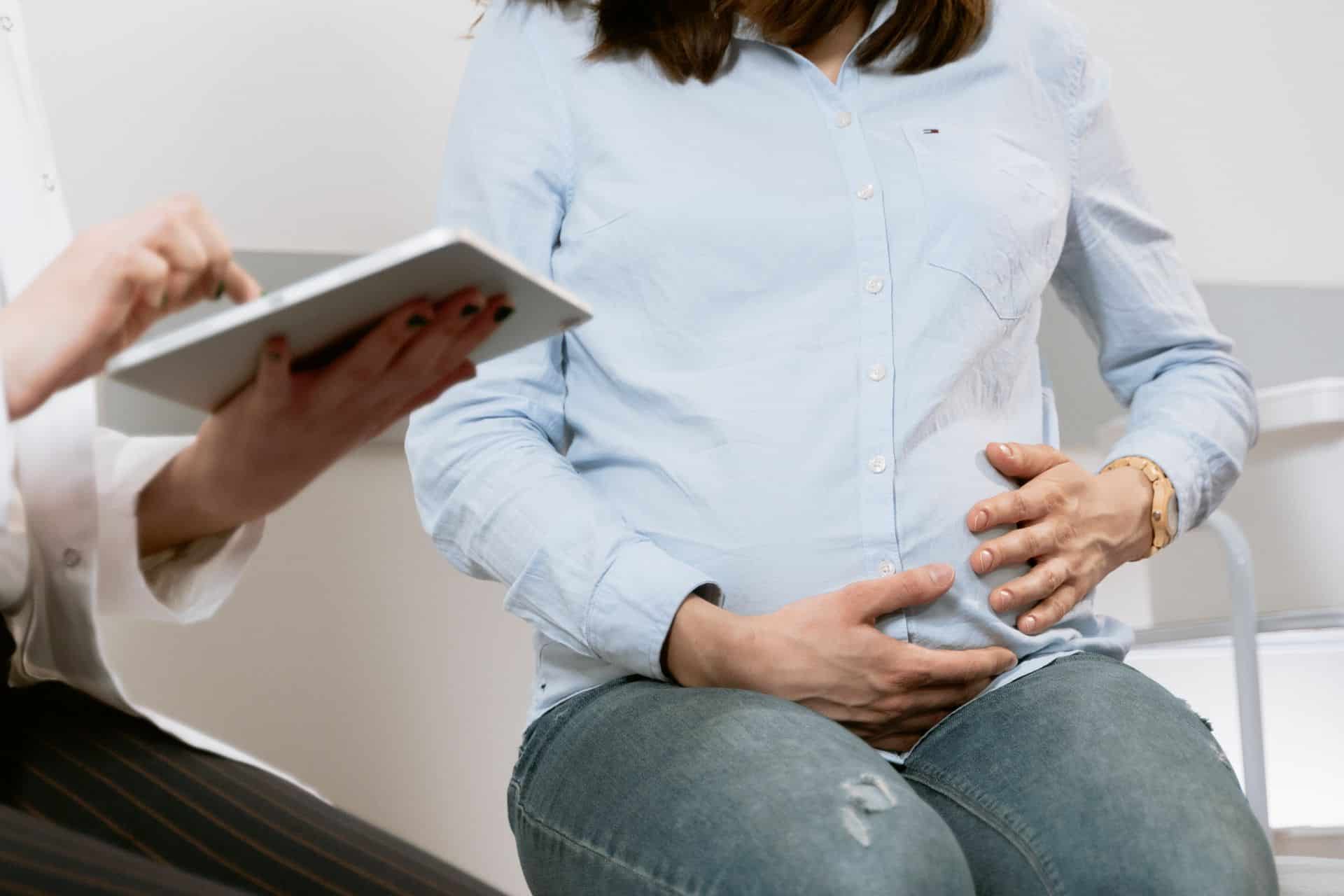
Five newborns in Hungary have died of syphilis this year, and 26 more deaths occurred before birth. The country’s health authorities now bank on a second routine test for expecting mothers, giving doctors another chance to catch and treat the infection before it reaches the baby.
Hungary’s National Public Health Institute told local news outlet Telex it had recorded 144 cases of congenital syphilis by 12 November. Health authorities recorded 91 cases in all of 2025.
Congenital syphilis occurs when the bacteria pass from a pregnant woman to her baby, usually through the placenta, and a woman can have syphilis and still feel fine. Doctors can prevent the baby from becoming infected if they detect it and treat her with penicillin in time.
Hungary has screened expecting mothers for syphilis in their first trimester for decades. Since 1 September, it has also required a test between weeks 24 and 28 to catch infections acquired after the first screening.
Read more: How an Uzbekistan programme sought to prevent maternal deaths
Syphilis incidence on the rise across Europe
The rise of confirmed syphilis cases in Hungary is part of a wider European trend. The European Centre for Disease Prevention and Control recorded 140 confirmed congenital syphilis cases in 2024, up from 78 in 2023. Hungary and Bulgaria accounted for most of that increase. The European tally excludes pregnancy losses and stillbirths.
Zsolt Mátrai, a paediatric and neonatal specialist in Hungary’s Heves county, told Telex that more testing could initially push recorded case numbers up by uncovering infections that would otherwise remain undetected.
Read more: What can the cancer sponge test detect, and how does it work?
He said the better measures of progress would be whether women start treatment earlier and whether fewer babies become infected.
