Uzbekistan renews support for Jordan as guardian of Jerusalem holy sites

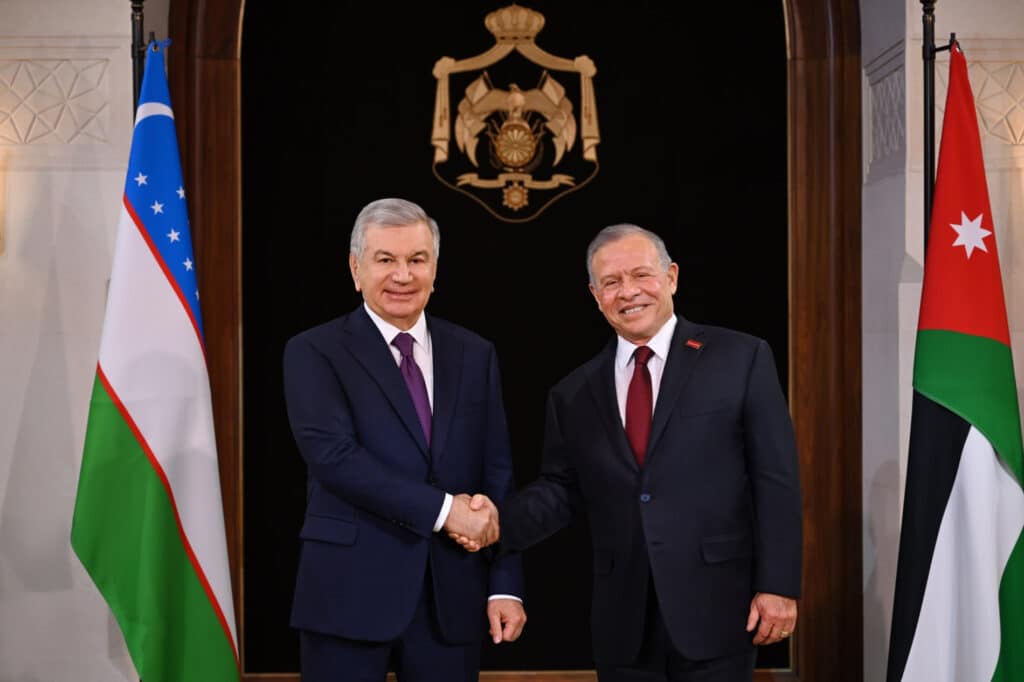
Tashkent renewed its support for Jordan’s custodianship of Jerusalem holy sites, the Royal Hashemite Court confirmed on 24 November. The pledge came in a joint statement after Uzbek President Shavkat Mirziyoyev met King Abdullah II in Amman earlier this week.
The two leaders called for preserving the ‘historical and legal status quo’ at Jerusalem’s Muslim and Christian holy sites. This echoed their August 2025 communiqué from Samarkand, when Mirziyoyev affirmed the importance of the Hashemite custodianship, the longstanding role of Jordan’s royal family in safeguarding the sites.
The two leaders’ statement also backed an independent Palestinian state based on 4 June 1967 borders, with East Jerusalem as its capital, living alongside Israel. They warned against attempts to annex the West Bank or displace Palestinians.
King Abdullah II separately called on the international community to stop what he described as Israel’s unilateral measures in the West Bank, Jerusalem and Gaza, Jordan’s state news agency Petra reported.
Read more: Mirziyoyev reaffirms Uzbekistan’s support for independent Palestinian state
What Jerusalem status quo means
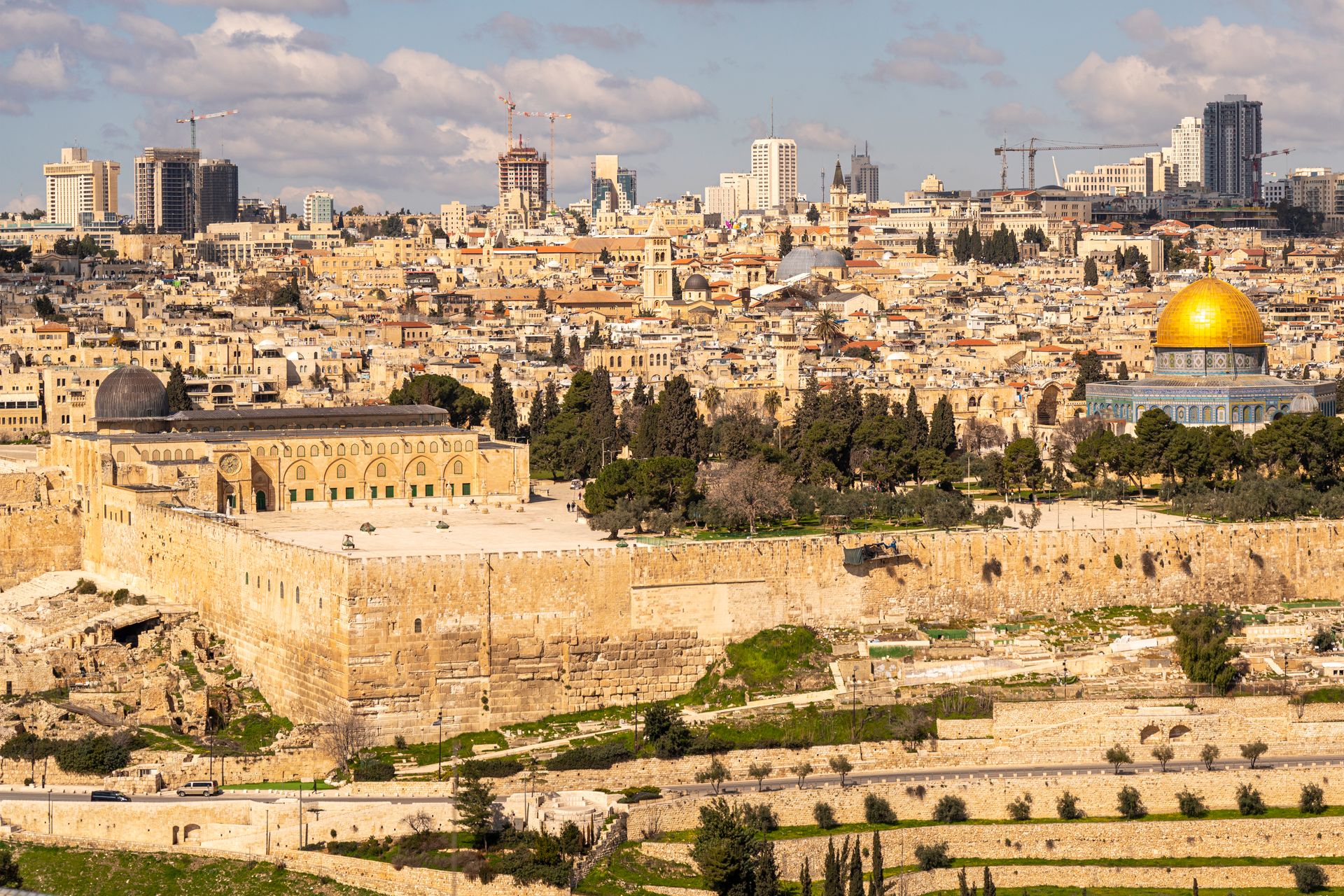
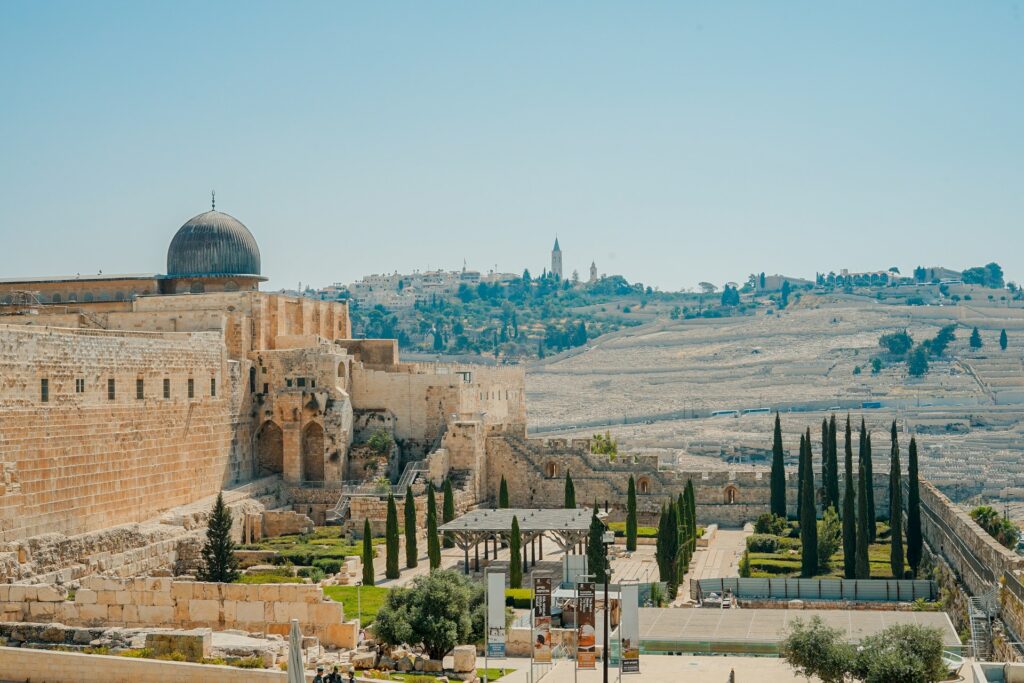
At the Al-Aqsa Mosque compound, known to Muslims as Haram al-Sharif and to Jews as the Temple Mount, a Jordanian religious trust called the Waqf administers the site.
Longstanding arrangements reserve prayer there for Muslims and allow non-Muslims to visit. In July, Jordan condemned a visit by Israel’s National Security Minister Itamar Ben-Gvir, who praised Jewish visitors he said had prayed there.
Side story: Uzbekistan formally joins Trump-backed Board of Peace on Gaza
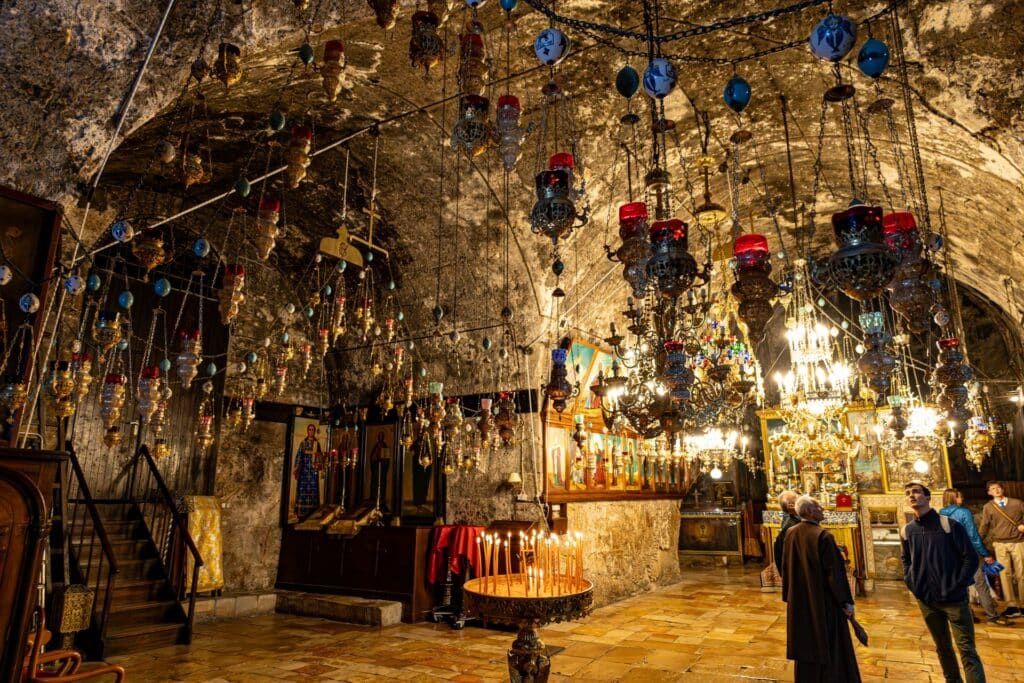
The Church of the Holy Sepulchre in Jerusalem is shared by Christian denominations, and Jordan’s custodial role includes helping to protect access to holy sites and supporting their preservation.
Israel agreed to respect Jordan’s special role at Jerusalem’s Muslim shrines in their 1994 peace treaty. In 2013, then-Palestinian President Mahmoud Abbas signed an agreement with Abdullah II reaffirming the king’s custodianship of Jerusalem’s holy sites, with particular emphasis on the Al-Aqsa compound.
A wider agreement in Amman
The two countries also elevated their ties to a strategic partnership. Uzbekistan’s state news agency UzA reported the visit produced 19 bilateral documents covering preferential trade, energy, and water management.
The leaders highlighted direct flights between Amman and Tashkent and reciprocal visa exemptions as steps taken since their Samarkand meeting.
