
Uzbekistan’s first appearance at the FIFA World Cup in 2026 is more than a sporting milestone. For many fans, it is also a moment tied to memory, loss and the long road travelled by Uzbek football since one of the darkest days in its history.
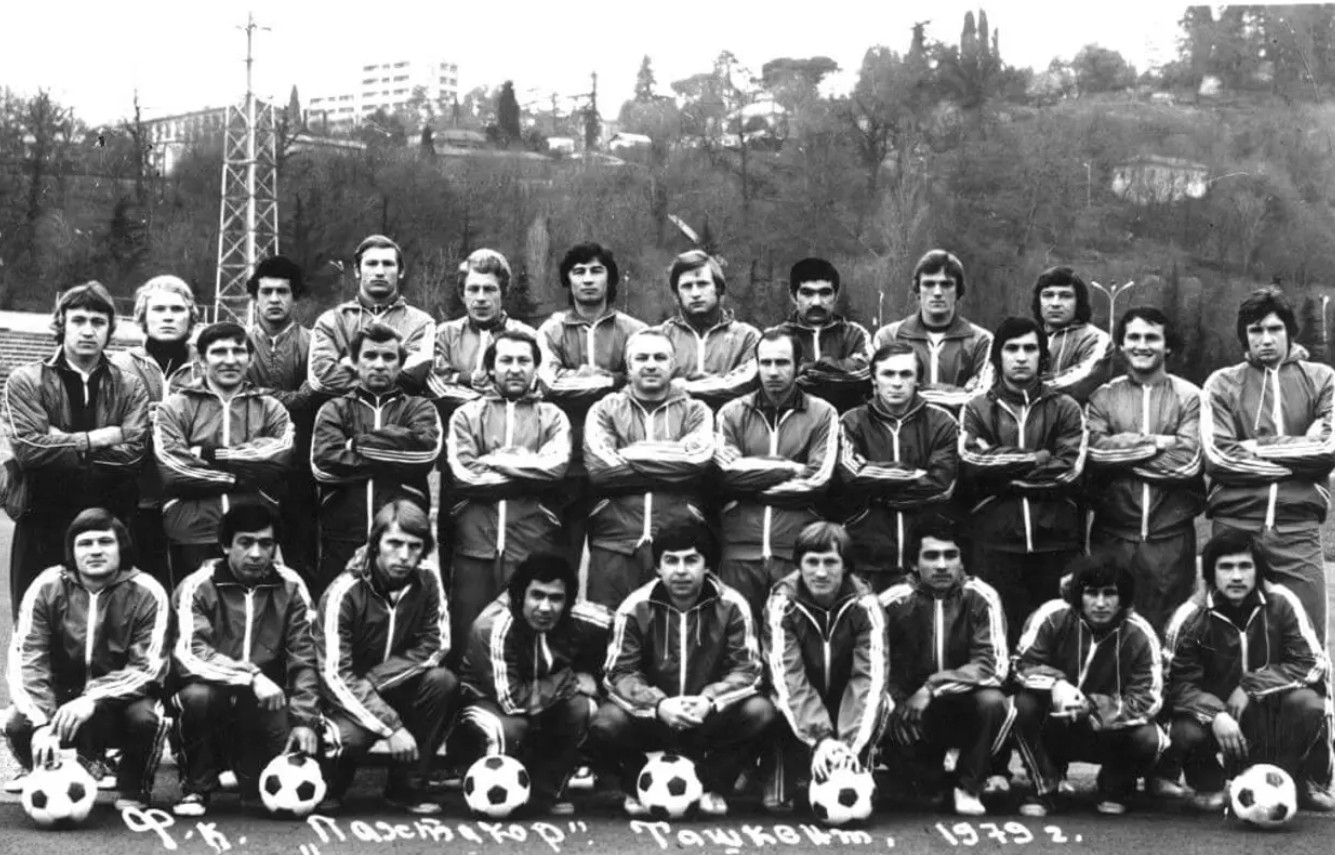
On 11 August 1979, a plane carrying members of Pakhtakor Tashkent collided with another aircraft over Soviet Ukraine. Seventeen players and staff from the club were among those killed. The disaster shocked Uzbek football and left a wound that has never fully disappeared.
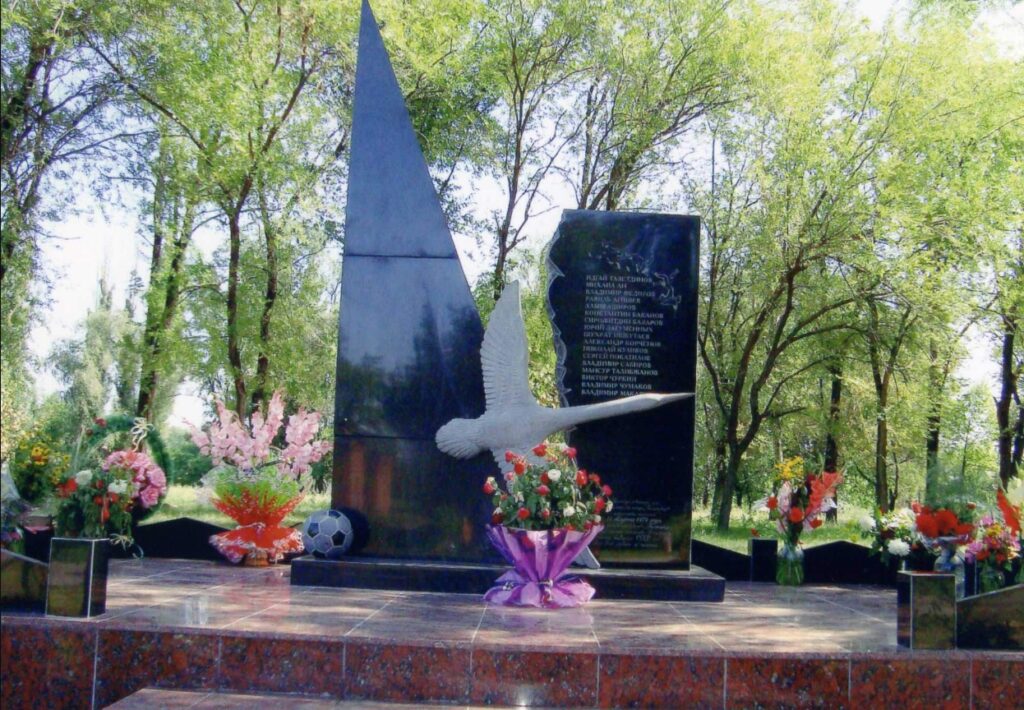
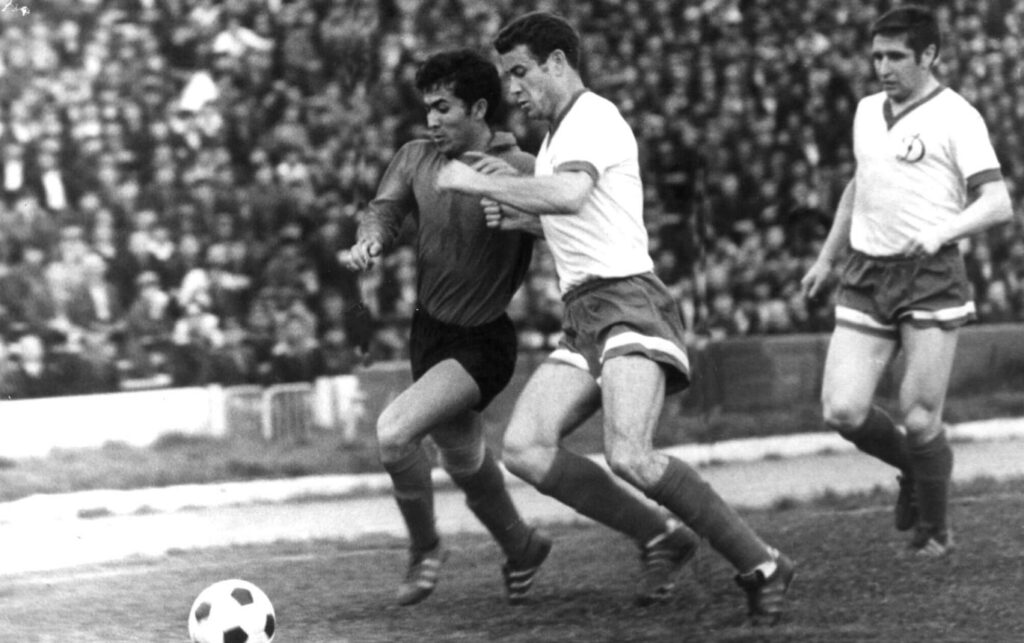
Pakhtakor was not just a football club. During the Soviet era, it represented Uzbekistan at the highest level and became a symbol of national pride. After the tragedy, the team was rebuilt, and its story became part of the emotional foundation of the country’s football culture.
Decades later, Uzbekistan’s national team has finally reached the World Cup. The White Wolves secured historic qualification in 2025, becoming the first Central Asian nation to play at the tournament. Their debut in North America has brought joy to millions of supporters, even though the campaign itself has been difficult.
Uzbekistan competed in Group K against Portugal, Colombia and DR Congo. The team showed moments of promise, including Eldor Shomurodov’s goal against DR Congo, but finished the group stage without progressing further.
Still, the meaning of this World Cup goes beyond results. For Uzbek football, participation itself is a breakthrough — proof that years of development, investment and belief have brought the country to the biggest stage in the game.
The memory of Pakhtakor remains part of that journey. From the tragedy of 1979 to the World Cup of 2026, Uzbek football has carried both pain and pride. Now, with a new generation watching, the country’s football story has entered a new chapter.