
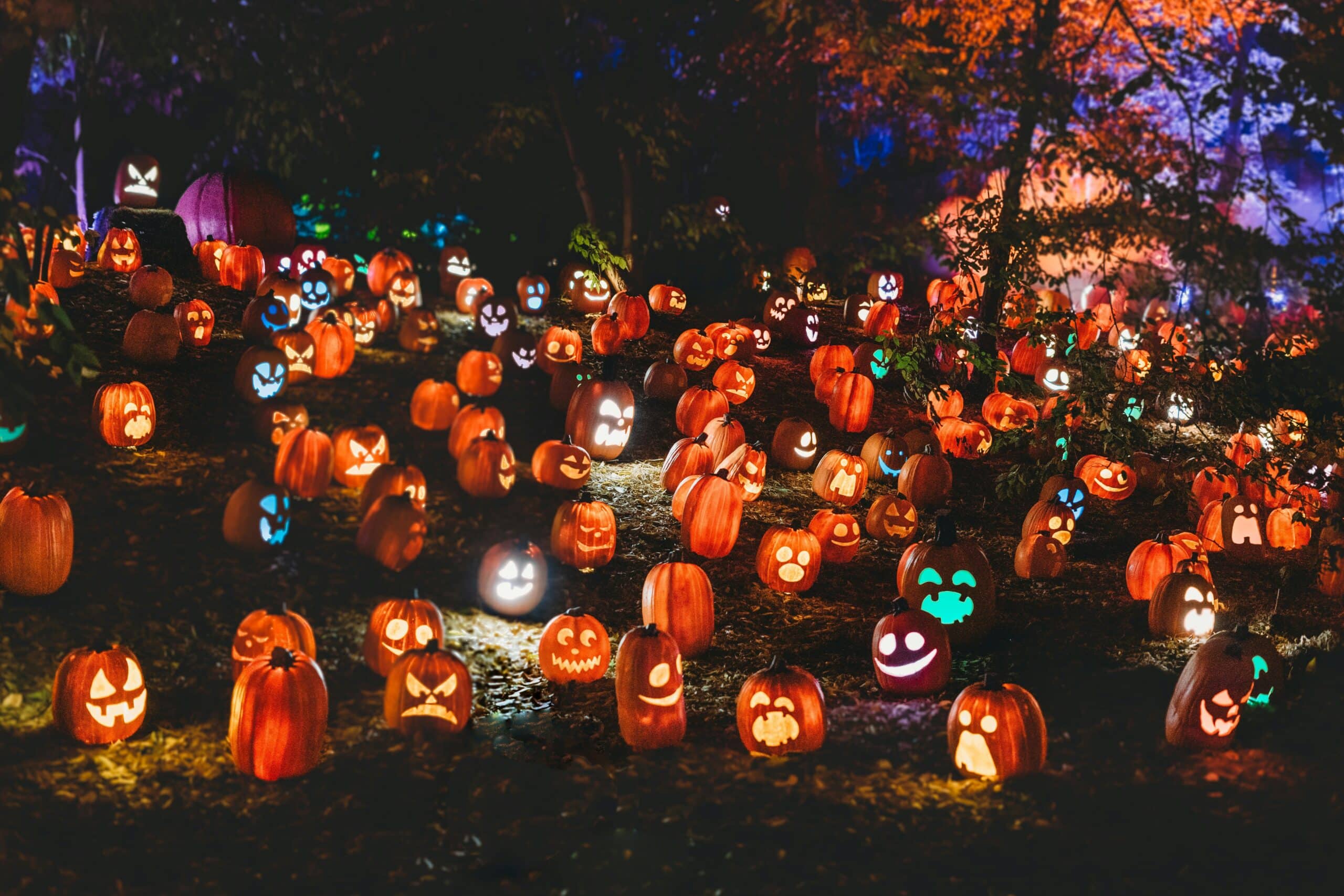
While millions of people worldwide dress up in costumes and carve pumpkins for Halloween on 31 October, the holiday remains relatively uncommon in Uzbekistan, where authorities have previously discouraged celebrations.
Halloween is not a public holiday in Uzbekistan, nor is there a nationwide law specifically prohibiting it. However, its Western origins and associations with pre-Christian and Christian traditions have made it a subject of debate in the predominantly Muslim country.
Officials have previously argued that Halloween does not reflect Uzbekistan’s cultural traditions. The holiday has also faced restrictions in practice, particularly at schools and entertainment venues.
Is Halloween banned in Uzbekistan?
Uzbek authorities have taken different approaches to Halloween over the years, ranging from informal restrictions to allowing private celebrations.
In 2013, the Uzbek service of Radio Free Europe/Radio Liberty, Ozodlik, reported that the Ministry of Public Education had instructed schools to prevent pupils from celebrating Halloween.
Teachers and school administrators were reportedly asked to monitor students, while some young people wearing Halloween costumes faced questioning by police.
However, the authorities later adopted a less restrictive position.
In October 2018, Tashkent’s Main Department of Internal Affairs said it had no plans to introduce measures specifically limiting Halloween celebrations. A police representative stressed that people could celebrate as long as they complied with existing laws.
The distinction between an outright ban and restrictions on public behaviour remains important. In 2024, police detained several young people wearing Halloween makeup in Tashkent over concerns about rules prohibiting face coverings that prevent identification.
Interior Ministry spokesperson Shokhrukh Giyasov subsequently clarified that Halloween itself was not prohibited.
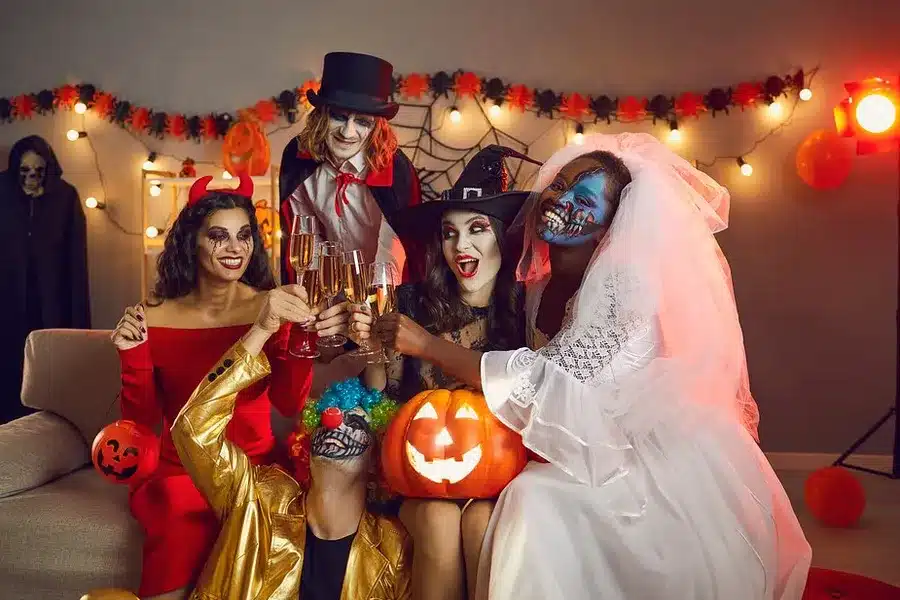
Despite the holiday’s limited popularity, some bars, pubs, restaurants and other businesses in Uzbekistan organise Halloween-themed events. These typically include costume parties, themed decorations and special entertainment programmes, particularly in Tashkent.
Where did Halloween come from?
Despite its association with the United States, Halloween’s origins can be traced to ancient Celtic traditions in Ireland, Britain and parts of northern France.
According to Encyclopaedia Britannica, the holiday has roots in Samhain, a festival marking the end of the harvest season and the beginning of winter around 2,000 years ago.
The Celts celebrated the start of their new year on 1 November. They believed that the boundary separating the living from the dead became weaker on the preceding night, allowing spirits to return to the human world.
Communities lit bonfires and wore disguises, practices that later influenced Halloween costumes and celebrations.
The holiday also developed through Christian traditions. In the eighth century, Pope Gregory III designated 1 November as a day honouring all saints. The preceding evening became known as All Hallows’ Eve, eventually shortened to Halloween.
Over time, elements of Celtic customs and Christian observances became intertwined, helping shape the holiday celebrated today.
Why do people carve pumpkins and wear costumes?
Some of Halloween’s most recognisable traditions originated centuries before the holiday became a major commercial event.
In Ireland and Scotland, people once carved frightening faces into turnips and other root vegetables to create lanterns. The practice was connected to an Irish folktale about Stingy Jack, a man condemned to wander with a burning ember inside a hollowed-out turnip.
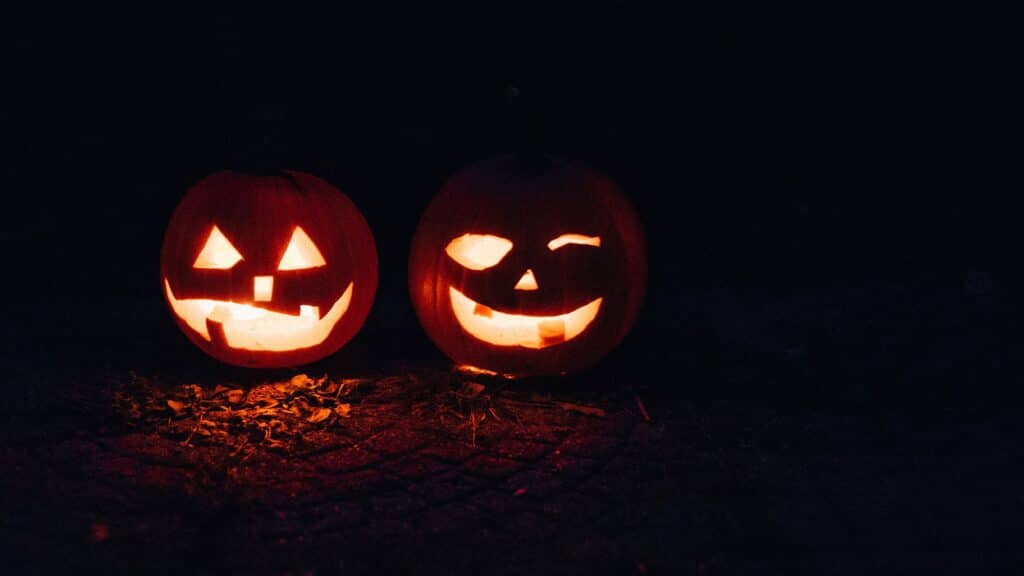
Irish immigrants brought the custom to the United States during the 19th century. Pumpkins, which were larger and easier to carve, gradually replaced turnips.
The practice of dressing up also has historical roots. During Samhain, people reportedly wore masks and animal skins to disguise themselves from wandering spirits.
Other traditions developed through medieval European customs, including visiting homes to request food in exchange for prayers, songs or performances. These practices eventually contributed to modern trick-or-treating.
Today, Halloween is largely a secular celebration in countries such as the United States, Canada and the United Kingdom, where costumes, parties, horror films and decorations have become its defining features.
The holiday has also developed into a major commercial event. According to the US National Retail Federation, American consumers are expected to spend $13.5bn on Halloween in 2026, exceeding the previous record of $13.1bn.
The organisation estimates that 74% of Americans plan to celebrate this year, with costumes, sweets and home decorations accounting for much of the spending.
