NASA finds 4.1bn-year-old Mars meteorite in the Sahara Desert

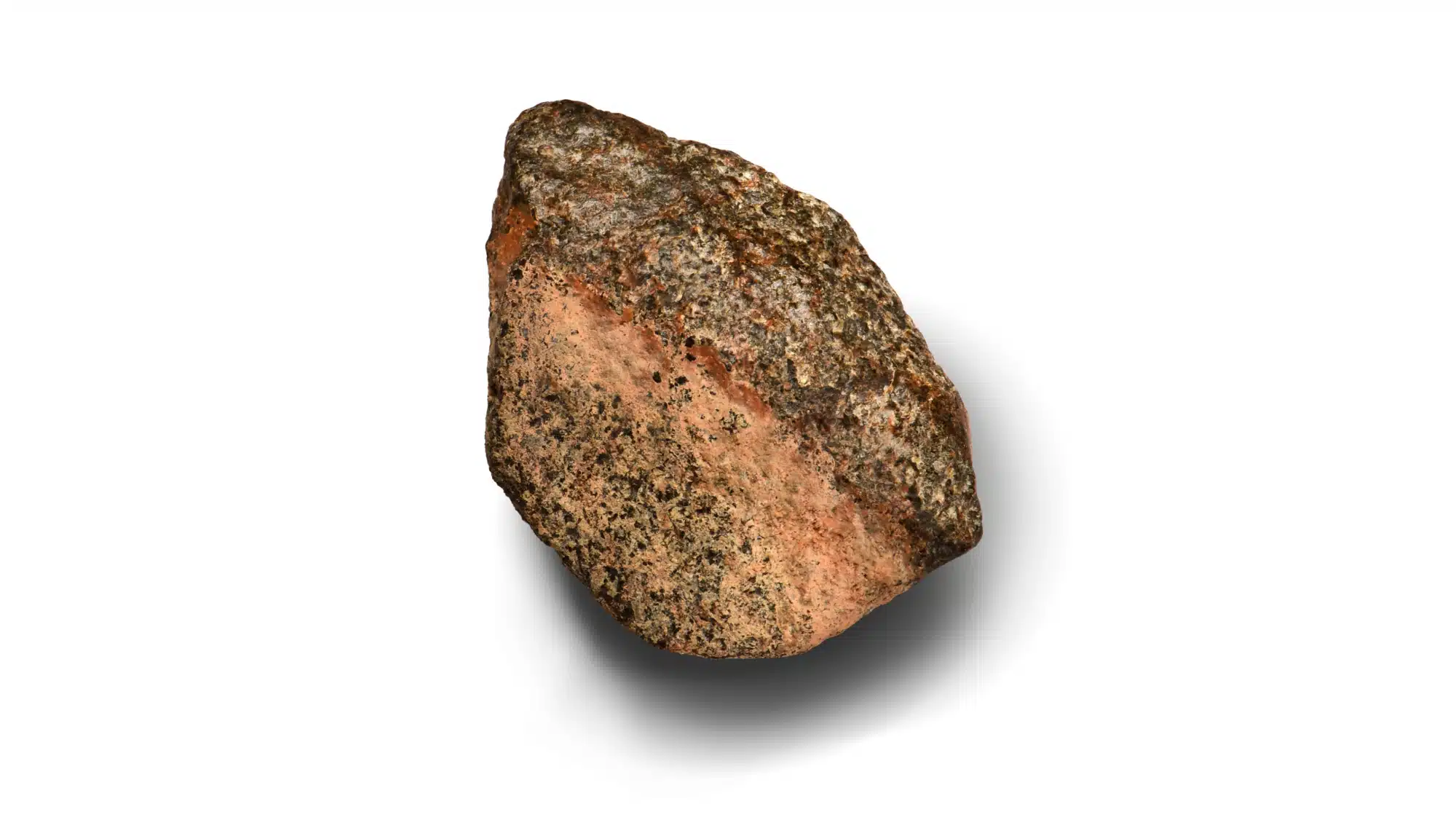
NASA-backed scientists have examined a Martian meteorite estimated to be more than 4.1bn years old, finding traces of water activity that could help explain the planet’s earliest geological history.
Known as Teghaza 001, the pinkish rock was recovered from the Sahara Desert in Mali in 2022. It weighs roughly 800 grams and initially appeared unremarkable. However, detailed laboratory analysis revealed that it was exceptionally old and contained minerals altered by water billions of years ago.
The research, published in Science on 29 October, indicates that water circulated through rocks beneath Mars’ surface during the planet’s early development, providing further evidence that its ancient environment differed considerably from today’s dry conditions.
NASA estimates that scientists have identified around 435 meteorites originating from Mars. Teghaza 001 is now considered one of the three oldest specimens in that collection.
Ancient rock offers clues to Mars’ watery past
To establish the meteorite’s age, researchers studied tiny zircon crystals embedded in its structure. By measuring radioactive elements within those crystals, they were able to reconstruct the rock’s history and identify signs of chemical changes caused by water approximately 4.1bn years ago.
The results indicate that the meteorite’s original material formed before those water-related changes occurred.
Scientists also examined its volcanic minerals, which preserve information about the formation and evolution of Mars’ outer rocky layer. The meteorite’s unusual combination of minerals sets it apart from previously studied samples of a similar age.
Comparisons with satellite data revealed possible links to the planet’s southern highlands. Using images and measurements collected by NASA’s Mars Reconnaissance Orbiter, the team narrowed the search for the meteorite’s original location to 13 potential sites.
These discoveries add to existing research suggesting that water played an important role in shaping the Martian landscape during the planet’s early history. Nevertheless, evidence of water alone does not demonstrate that Mars once supported living organisms.
The meteorite is thought to have left Mars after a powerful impact launched fragments of the planet’s surface into space. One of those fragments eventually reached Earth, although researchers have not determined when it landed.
Further examination of Teghaza 001 could help scientists piece together how Mars’ crust developed, how water affected its minerals and how the planet changed during its first billion years.
