Oil Сlimbs Above $100 as Trump’s Hormuz Blockade Rattles Global Markets

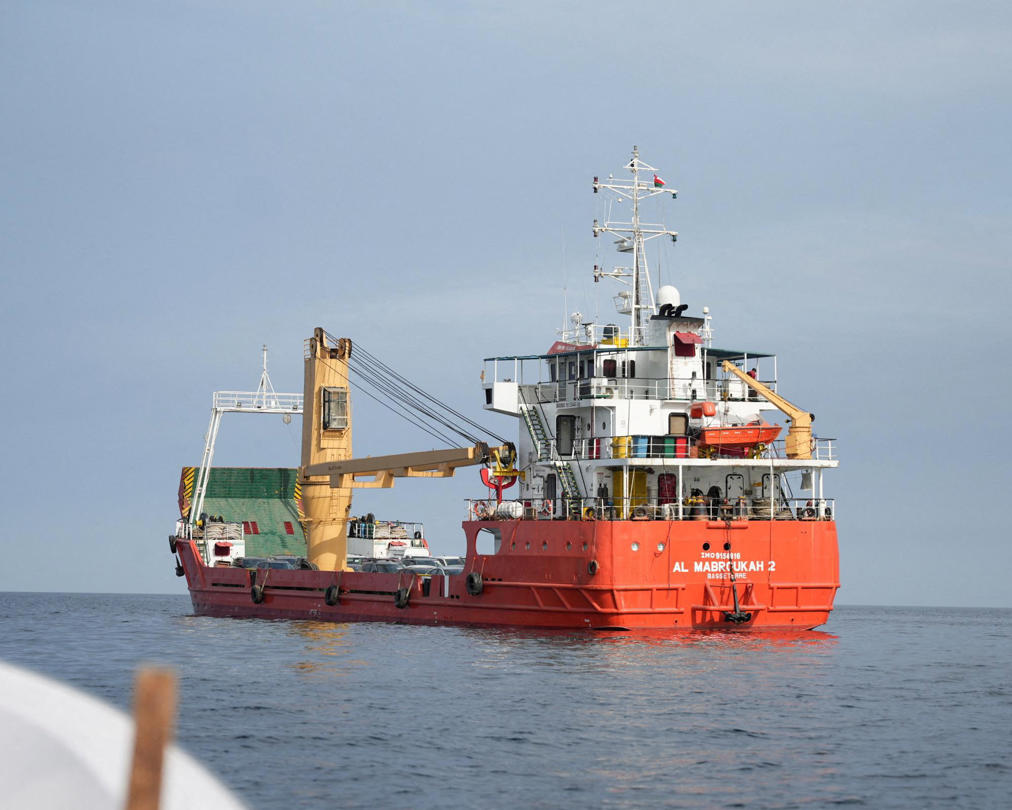
Oil prices surged back above $100 a barrel on Monday and global stock markets slipped after US-Iran talks ended without a breakthrough and President Donald Trump moved to impose a blockade around the Strait of Hormuz.
The renewed escalation shattered hopes that last week’s fragile ceasefire could lead to a broader de-escalation. Washington said it would begin enforcing restrictions on maritime traffic linked to Iran, with U.S. Central Command warning that vessels entering or leaving Iranian ports without authorization could be intercepted.
Trump later hardened his rhetoric, warning that any Iranian fast-attack craft approaching the blockade would be «immediately eliminated,» underscoring the risk of a wider military confrontation in one of the world’s most important energy chokepoints.
Markets reacted sharply. Brent crude rose nearly 7% to around $101.74 a barrel, while US crude climbed more than 7% to $103.55. Wholesale gas prices in Britain also jumped, reflecting fears of fresh disruption to global energy supplies.
The market sell-off spread to equities. London’s FTSE 100 closed modestly lower, while Wall Street opened in the red as investors weighed the prospect of prolonged instability in the Gulf. Airline stocks came under pressure from rising fuel costs, while oil majors such as BP and Shell advanced.
Analysts said the reaction, while serious, remained relatively contained, suggesting some investors still see the blockade as a pressure tactic rather than the start of a full-scale supply shock. But with the Strait of Hormuz once again at the center of geopolitical tension, traders warned that energy markets remain highly vulnerable to further escalation.
From economics and politics to business, technology and culture, Kursiv Uzbekistan brings you key news and in-depth analysis from Uzbekistan and around the world. To stay up to date and get the latest stories in real time, follow our Telegram channel.
