
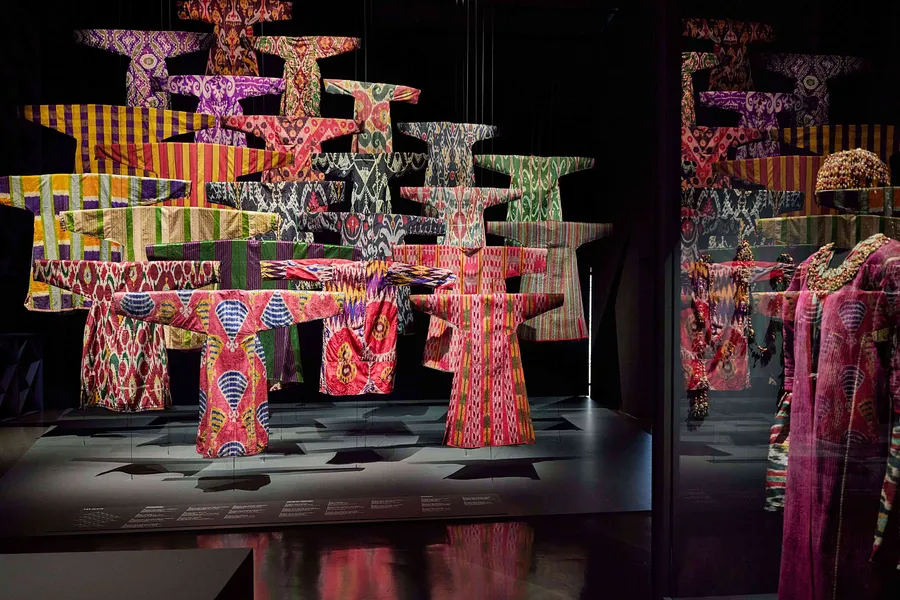
When a blogger presented American actor Will Smith with a gold-embroidered velvet coat while he was travelling abroad last year, the video quickly captured the internet’s attention. Smith’s enthusiastic reaction to the garment highlighted its commanding presence.
Far from an isolated incident, this forms part of a broader global recognition of Central Asian craftsmanship. Style icons like Sarah Jessica Parker have long championed ikat-patterned coats that echo this distinct silhouette.
The world is finally waking up to the chapan, a garment that effortlessly bridges the gap between historical artefact and contemporary fashion.
Garment of honour
But what exactly is this garment? In Uzbekistan, a chapan is far more than a simple outer layer. It is a piece of cultural clothing deeply woven into the fabric of daily life, holiday celebrations and significant milestones. As a form of sarpo, a traditional gift of clothing conveying deep respect, it holds immense emotional weight.
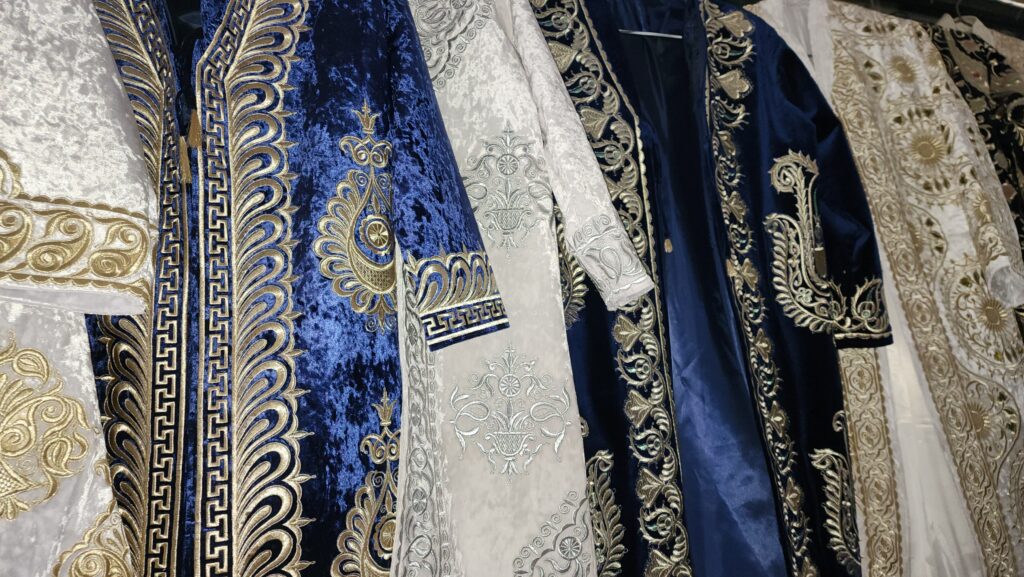
Heavy, quilted versions padded with cotton were essential for surviving the biting cold of Central Asian winters since historic times. During joyous occasions like weddings and national holidays, vibrant, intricately patterned chapans take centre stage in the celebrations.
Conversely, more subdued, darker versions are worn respectfully to funerals.
While historically featuring a strict, straight silhouette without fastenings, the chapan has continuously evolved. Today, the most compelling modern iterations are being pioneered by local fashion houses dedicated to preserving authenticity while embracing contemporary design.
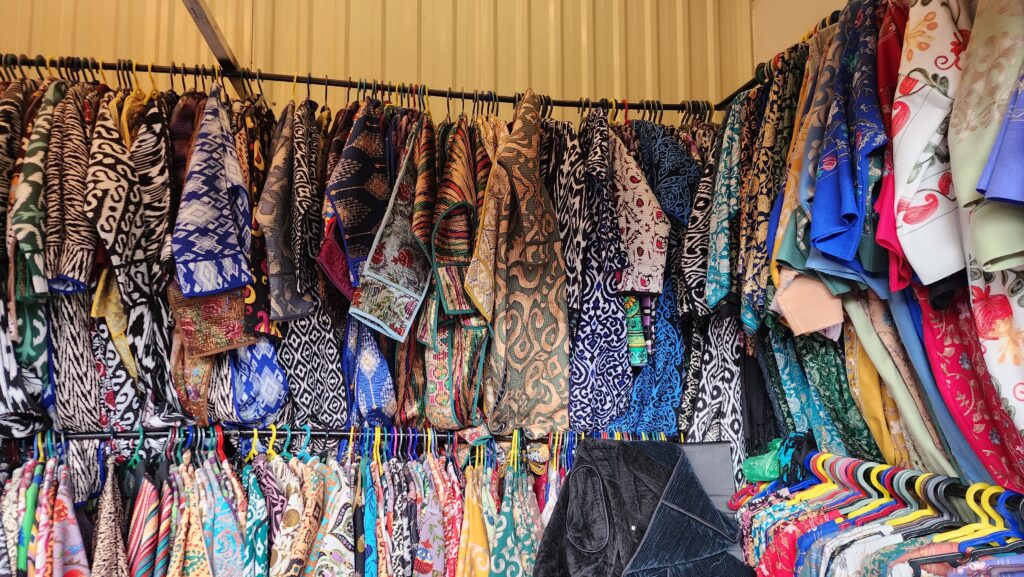
Stone City is at the forefront of this movement, proving that traditional clothing can adapt to modern life without losing its soul.
Reshaping the silhouette
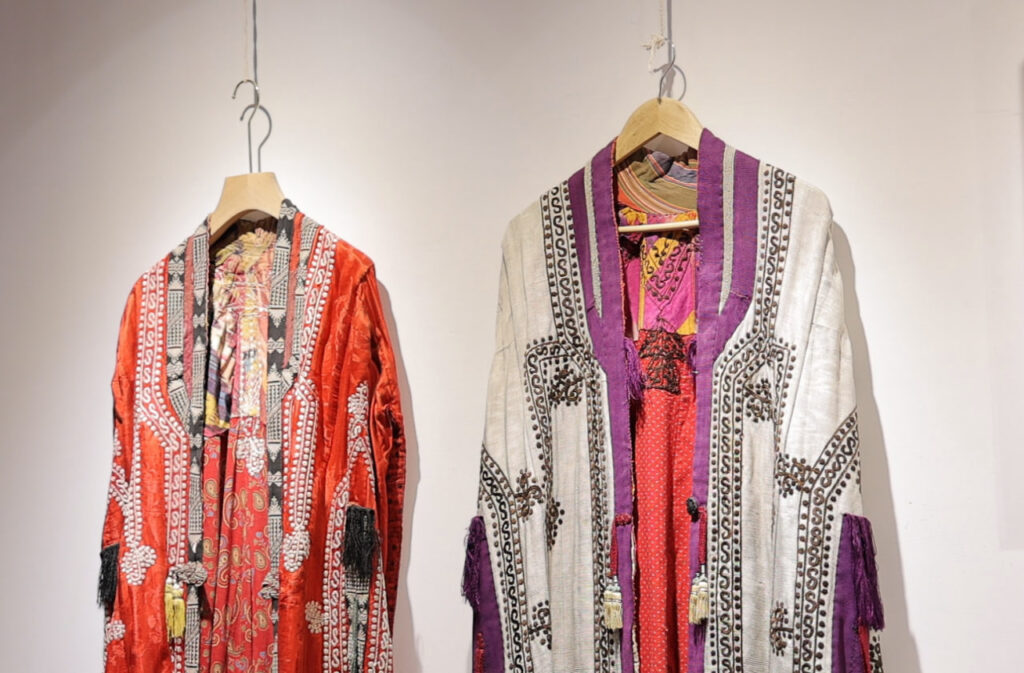
Adapting these historical garments for the modern wardrobe requires a delicate balance of respect and innovation. Historically, women possessed their own variation of the coat known as the mursak, which was characterised by an open neckline and a softer shape. However, Stone City takes a different approach by reinterpreting the strict traditional male silhouette for women.
«In our collections, we turn to the men’s cut of the chapan, rethinking it from the perspective of a modern wardrobe,» explains Elnora Rizaeva, one of the co-founders of Stone City. «In particular, we modified the sleeve construction to avoid excess volume and folds in the underarm area, making the fit cleaner and more comfortable.»
This technical adjustment creates a clean fit that easily layers over modern clothing.
«Such a cut ensures the garment’s versatility,» Elnora adds. «It easily combines with layered looks and allows you to wear the chapan over items with voluminous sleeves like shirts, blouses and sweaters.»
Fabric and the art of slow fashion
The foundation of any exceptional chapan is the fabric itself. Rather than inventing new patterns, Stone City relies on traditional motifs rich in cultural codes and historical meaning, allowing the deep history of the textiles to speak for themselves. The focus is entirely on the quality and weave of the adras (ikat).
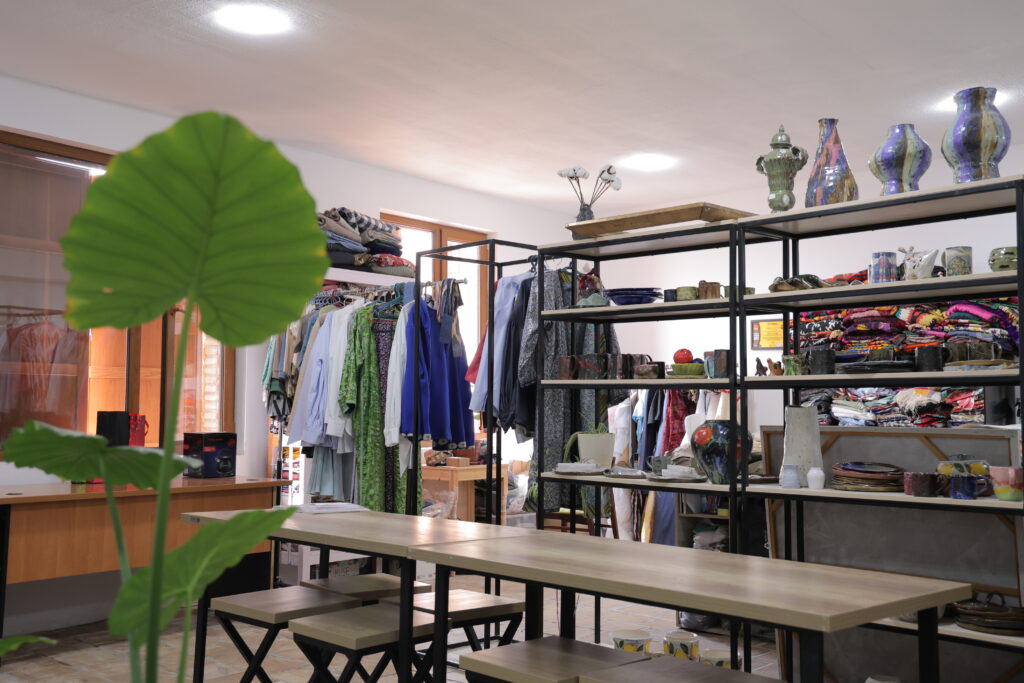
«Adras can vary significantly in its characteristics from loose to dense,» Elnora says. «Loose fabrics are less practical: they wear out faster and can split at the seams. We consciously choose dense adras. It is more expensive to produce but ensures the longevity of the garments. For us, it is fundamentally important to create pieces designed for a long service life, those that can be worn for years and passed down to future generations.»
This dedication to quality naturally aligns with the principles of slow fashion. Stone City has practically abandoned individual tailoring to focus entirely on limited series.
«Every chapan is released in a quantity of one to four pieces depending on the availability of the fabrics we work with,» Elnora notes. «Production volumes remain intimate: on average we create no more than 15 chapans a month. For us, it is essential that the entire process from cutting to sewing takes place in our workshop, though a significant part of the pieces requires manual work like quilting or embroidery performed by craftswomen from the regions. This is a labour-intensive and lengthy process that cannot be sped up without a loss of quality.»
Living tradition at Zan Makon
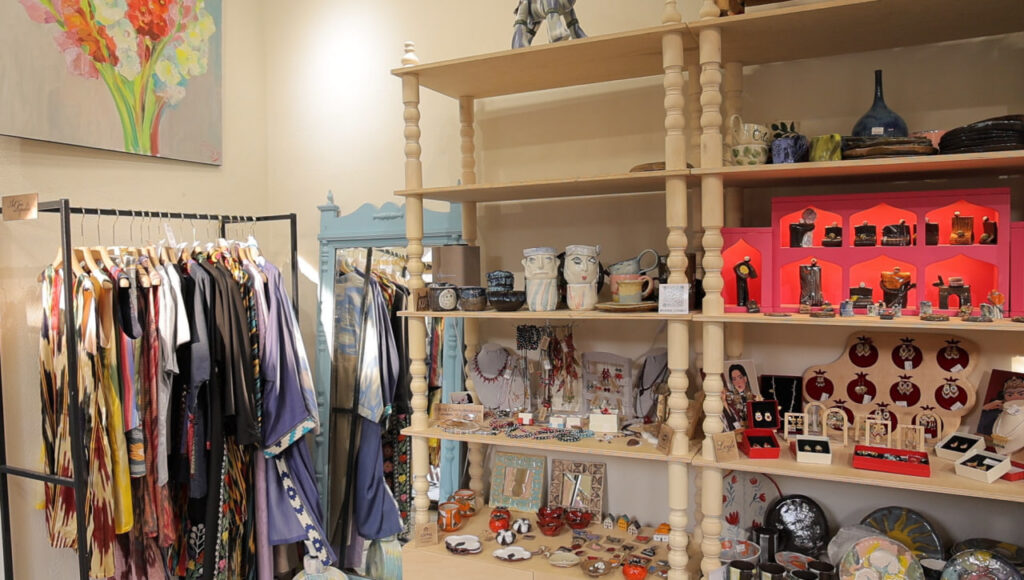
There is a lingering misconception that national textiles are primarily souvenirs for foreigners. However, sales data from Stone City paints a different picture.
«According to our internal statistics, sales of pieces from collections using national fabrics are distributed approximately equally: about 50% from local clients and 50% from tourists,» Elnora reveals. «It is important that regardless of the audience, the pieces are purchased not as a souvenir but as part of an everyday wardrobe.»
While the brand caters to a growing international audience, its heartbeat remains firmly offline in Tashkent. A significant portion of sales occurs at physical locations, most notably at Zan Makon. Co-founded by Stone City’s creator, this unique concept space is located on Zarqaynar Street in the old city of Tashkent.
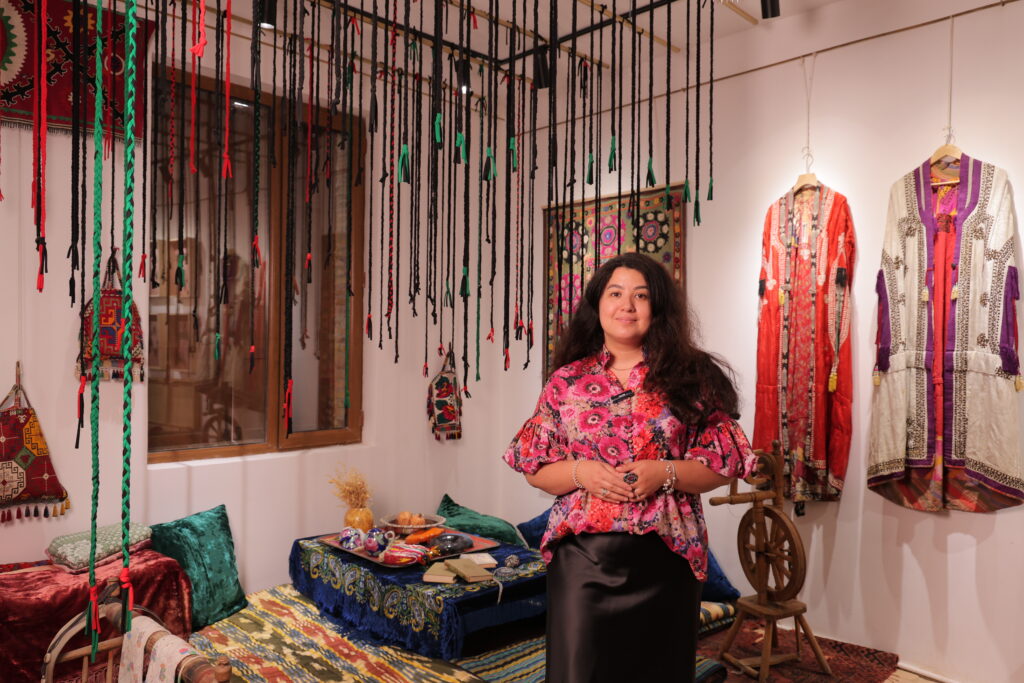
The name itself is steeped in history: «zan» is derived from Persian texts meaning «woman» and «makon» is an Arabic word for «place.»
Operating as a dedicated space for female artisans, Zan Makon allows customers to physically interact with the garments.
«Physical presence allows the client to get to know the garments deeper through texture, fit and details that are difficult to convey online,» Elnora explains.
This tactile experience ensures a strong local connection even as global demand rises.
Styling the modern chapan
Integrating a chapan into a modern wardrobe is surprisingly effortless, especially for those who favour a refined, professional aesthetic. The garment’s structured nature lends itself perfectly to conservative elegance, offering a unique alternative to standard outerwear that is neither edgy nor revealing.
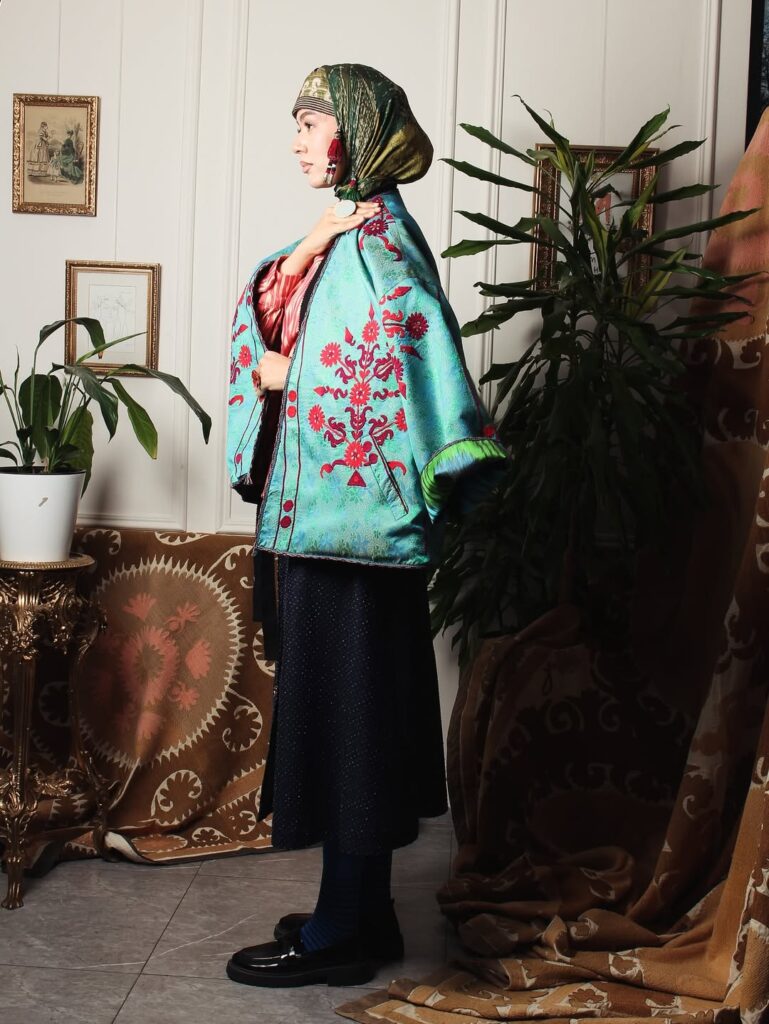
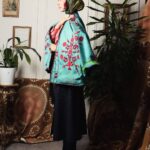



To channel a quiet luxury or old money aesthetic, opt for a chapan in a muted, densely woven adras. Worn over tailored wool trousers and a high-necked silk blouse, it offers a highly sophisticated, comfortable alternative to a standard trench coat. The clean lines allow the coat to drape naturally, creating an elongated silhouette that is perfectly appropriate for the office or formal social outings.
For a subtle nod to dark academia, a darker, jewel-toned velvet chapan can easily replace a traditional tweed blazer. Paired with a crisp white collared shirt, a pleated skirt and classic leather loafers, the rich texture of the chapan elevates the entire ensemble.
The key is to let the cultural weight and masterful craftsmanship of the coat serve as the primary focal point, grounding the outfit in profound history while remaining entirely contemporary.