Flesh-Eating Screwworm Discovered in Texas Calf Sparking Fears for U.S. Cattle Market

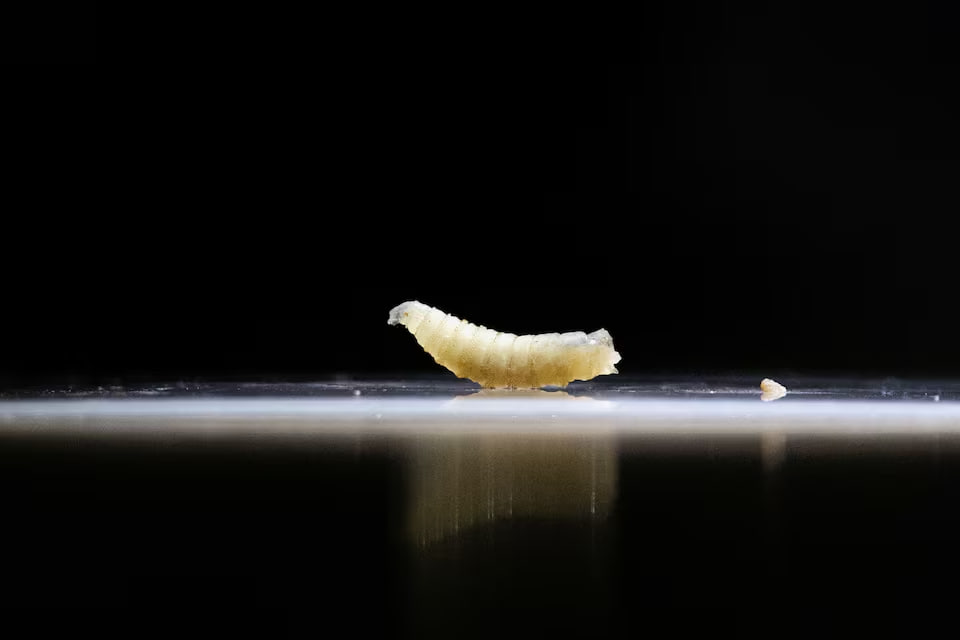
The American agricultural sector is on high alert after the New World screwworm was detected in a calf in Texas. The U.S. Department of Agriculture (USDA) confirmed the presence of the flesh-eating parasitic fly on Wednesday evening, marking a severe new threat to the national cattle herd, Reuters reports.
The confirmed case occurred in La Pryor, a small town situated roughly 30 miles northeast of the Mexican border. This development is a devastating blow for American cattle ranchers who have spent the last year anxiously monitoring the pest’s steady northward advance through Mexico.
According to USDA Secretary Brooke Rollins this marks the first time the parasite has been found in Texas since 1966. For now, it remains the only officially confirmed infestation within the country.
A grisly parasite
The New World screwworm is a parasitic fly that targets any warm-blooded animal. Female flies seek out open wounds or mucous membranes to lay their eggs. Once hatched, hundreds of larvae use sharp mouthparts to burrow into and consume living tissue. If left untreated the infestation is almost always fatal for the host animal.
While the parasite is easily transmitted through the movement of infected livestock, experts stress that human cases are exceptionally rare and the fly poses zero threat to food safety. Treating an infected animal is a highly unpleasant, time-consuming and labour-intensive process that requires meticulously removing hundreds of larvae and heavily disinfecting the affected wounds.
Economic tremors and industry backlash
The arrival of the screwworm threatens to further diminish a U.S. cattle herd that has already plummeted to its lowest numbers in 75 years. This tightening of supply has previously hampered beef production and pushed consumer prices to record highs.
Industry analysts warn that if the pest spreads it could inflict up to $1.8 bn in economic damage upon the Texas livestock sector alone. Ranchers would face crippling financial burdens stemming from livestock deaths, increased labour costs and expensive medication.
The financial markets reacted swiftly to the news.
Chicago Mercantile Exchange feeder cattle futures closed 1.7% lower amid trader anxieties that a domestic outbreak might suppress beef demand. Shares in major meatpacking corporations such as Tyson Foods and JBS also experienced noticeable dips.
The breach has sparked immediate political friction. Texas Agriculture Commissioner Sid Miller fiercely criticised the federal response, accusing the USDA of moving too sluggishly. He argued that the department neglected to utilise every available deterrent and instead relied on partial solutions that will take years to fully materialise.
In response, Secretary Rollins defended the government’s strategy, maintaining that deploying sterile flies remains the ultimate and most effective weapon against the parasite.
Emergency containment strategies
To prevent the screwworm from gaining a foothold the USDA has initiated immediate and aggressive containment protocols around the La Pryor site:
- Movement Bans: All animal transport within a 20-kilometre radius of the detection zone has been strictly halted.
- Sterile Fly Release: Authorities are releasing vast quantities of sterile flies into the environment to disrupt the pest’s breeding cycle.
- Enhanced Monitoring: Wildlife surveillance in the surrounding region has been significantly increased.
- Rapid Response: A dedicated ground team has been deployed alongside an aircraft carrying emergency medical stockpiles to South Texas.
USDA Under-secretary Dudley Hoskins emphasised the gravity of the situation, declaring the protection of the livestock industry an issue of paramount national security.
Border crisis and historical context
The U.S. has maintained a strict ban on livestock imports from Mexico for over a year in a desperate bid to shield its southern border states. Historically the American market relied heavily on its southern neighbour, importing over a million cattle annually for domestic processing.
The financial toll of keeping the pest at bay has been staggering. Washington has poured millions into expanding trapping initiatives, boosting surveillance and funding sterile fly production facilities across the border.
Mexico has battled a severe outbreak, logging over 27,000 cases since November 2024. A new sterile fly plant in southern Mexico, partially funded by the U.S., is slated to open by the end of June.
The U.S. previously eradicated the screwworm in the 1960s using the same sterile male release technique. However, with a dedicated sterile fly facility in Texas not expected to become operational until late 2027, agricultural authorities face an arduous battle to contain this modern resurgence.
