Trump Pledges Retaliation as Iranian Drone Destroys U.S. Apache Helicopter in the Gulf

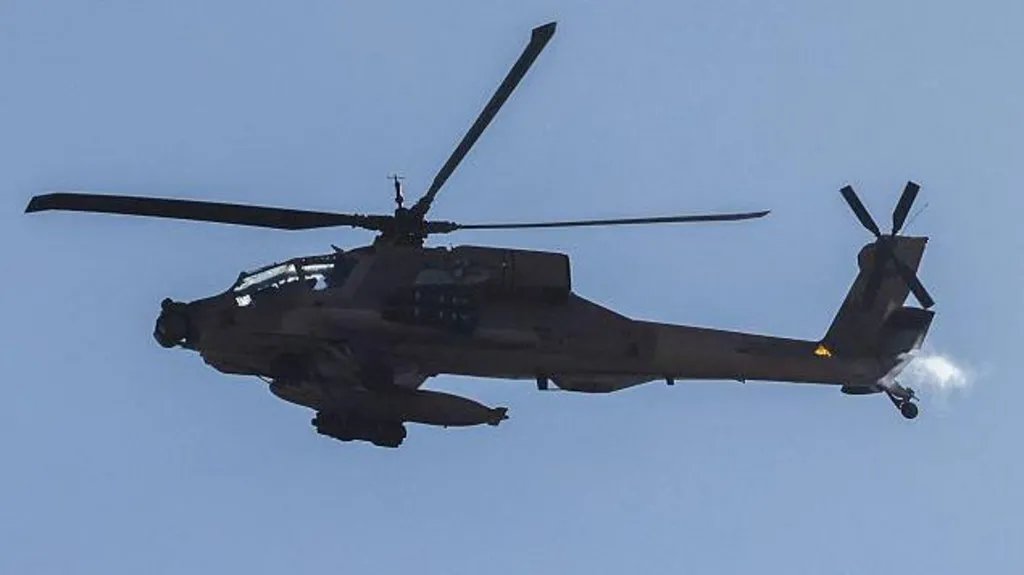
American military forces are bracing for further escalation in the Middle East after an Iranian unmanned aerial vehicle struck a U.S. Army Apache helicopter. The mid-air collision in the Strait of Hormuz forced the aircraft down, though a pioneering autonomous rescue mission ensured both pilots survived, Reuters reports.
In the immediate aftermath of the crash, President Donald Trump publicly insisted that a retaliatory strike against Tehran is absolutely necessary. The incident arrives on the heels of a highly volatile weekend marked by direct military exchanges between Israel and Iran.
Autonomous ocean rescue
The destroyed Apache was conducting routine patrols off the Omani coastline when it was intercepted by an Iranian Shahed drone. Defence officials told reporters they are currently investigating whether the drone deliberately targeted the American aircraft or if the collision was entirely accidental.
Following the crash, the U.S. military executed an innovative recovery operation. A Corsair surface vessel, an uncrewed robotic boat operated by the U.S. Navy’s Task Force 59, was dispatched to locate the stranded aviators. Established in 2021, Task Force 59 was specifically designed to integrate autonomous drone technology into frontline maritime operations.
The unmanned boat successfully retrieved the pair from the water and transported them to a safe rendezvous point where a traditional rescue helicopter hoisted them to safety. U.S. Central Command confirmed that the soldiers were secured within two hours of the crash and remain in a stable condition.
Washington demands action
Taking to social media on Tuesday afternoon, President Trump expressed relief that the aviators escaped the ordeal unharmed but maintained a hardline stance against the Islamic Republic.
He declared that despite the lack of American casualties, the United States has no choice but to forcefully respond to the attack. Throughout the ongoing conflict, the US military has heavily relied upon Apache helicopters to provide close air support, conduct reconnaissance and fend off Iranian fast-attack boats during the blockade of the nation’s ports.
A mounting toll on U.S. aviation
This incident marks the first loss of an Apache helicopter since open hostilities with Iran erupted in late February. However, the broader aerial campaign has already inflicted a heavy toll on American military hardware.
According to a May briefing from the Congressional Research Service, the Pentagon has lost over two dozen drones, at least five fighter jets, seven refuelling planes and a search-and-rescue helicopter in recent months.
The conflict has seen several catastrophic aviation incidents:
- An intense extraction mission in April required hundreds of U.S. special forces operatives to rescue a downed F-15E pilot deep inside Iranian territory. The high-risk operation forced the military to blow up two of its own aircraft on the ground to prevent them from falling into enemy hands.
- Kuwaiti air defences mistakenly engaged and destroyed three American F-15 jets in March, though all crew members managed to eject safely.
- A KC-135 Stratotanker refuelling plane crashed in western Iraq, resulting in the tragic deaths of all six personnel on board.
Additionally, a significant number of American aircraft have sustained severe damage from anti-aircraft fire and direct Iranian strikes on military installations in Saudi Arabia.