Rare Ebola Strain Outbreak Becomes Largest on Record as Containment Efforts Falter

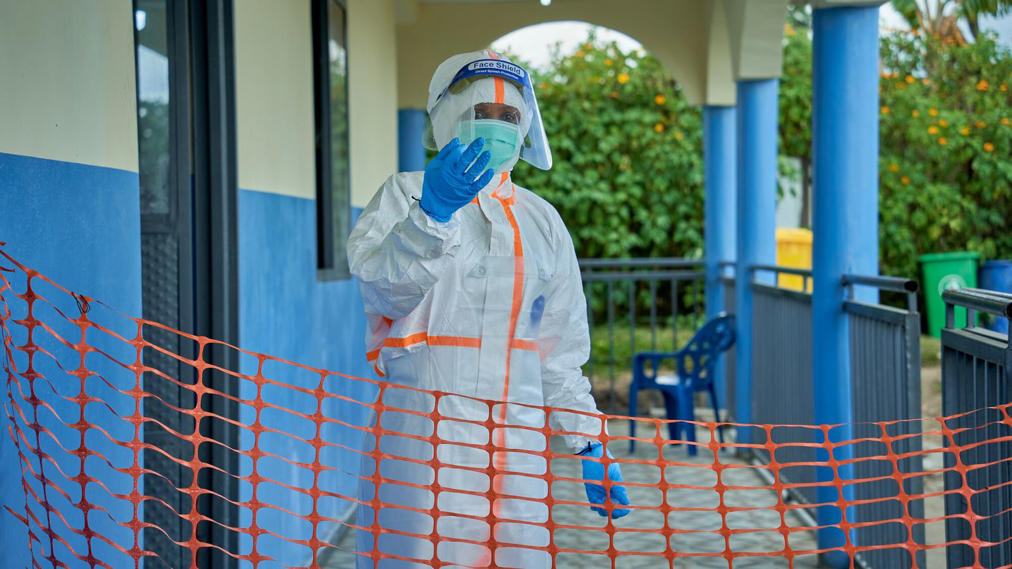
The largest-ever outbreak of the rare Bundibugyo strain of Ebola is accelerating in the Democratic Republic of the Congo (DRC), with health officials warning that the true scale of the epidemic may be far greater than reported. More than 780 confirmed cases and 180 deaths have been recorded, while infections have also spread into neighboring Uganda.
Aid organizations say a lack of clean water and sanitation is undermining efforts to contain the virus. In Ituri province, one of the outbreak’s epicenters, only a fraction of health facilities have reliable access to safe water. Oxfam warned that «the first line of defence» against disease transmission has effectively collapsed, making it harder to prevent infections in communities already struggling with poverty and conflict.
The outbreak is caused by the rare Bundibugyo strain of Ebola, for which there is currently no approved vaccine or targeted treatment. Health experts say the disease spread undetected for weeks before being identified, allowing transmission chains to expand across multiple provinces.
Authorities are also facing major challenges with contact tracing. According to Africa CDC, thousands of potentially exposed people have not yet been located, raising fears that the outbreak could become one of the worst Ebola crises in modern history. International agencies and G7 leaders have called for an urgent, coordinated response to prevent further regional spread.
