FIFA Permits Pride Flags at World Cup Match Despite Objections from Egypt and Iran

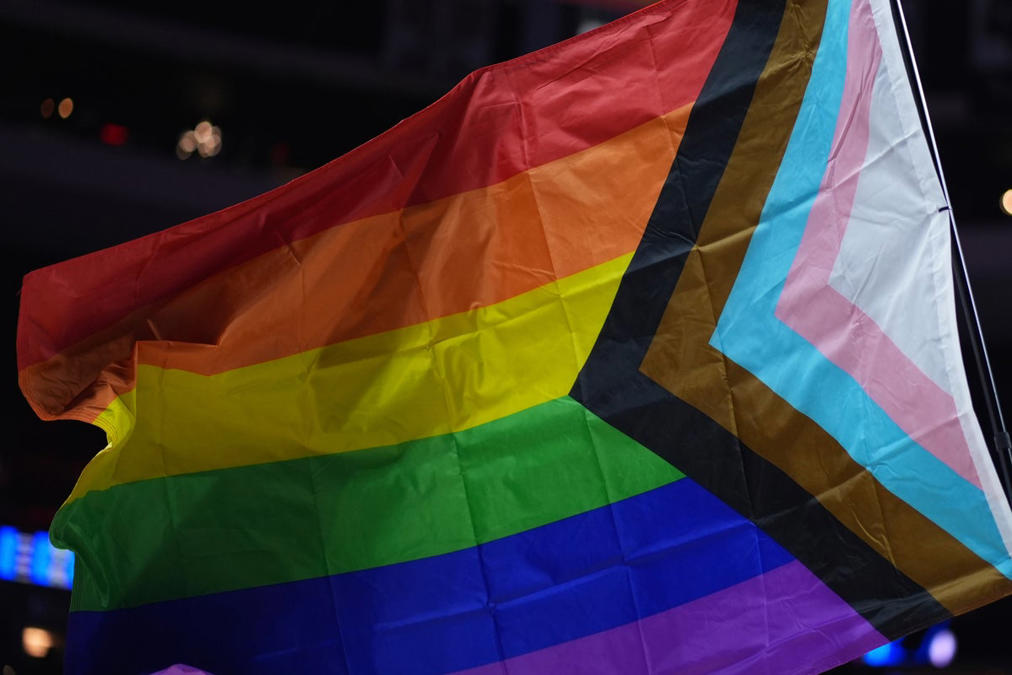
FIFA has confirmed that rainbow flags and other LGBTQ+ symbols will be allowed inside the stadium during the 2026 World Cup group-stage match between Egypt and Iran in Seattle, despite formal objections from both national football federations.
The fixture, scheduled to take place during Seattle’s annual Pride celebrations, has attracted significant attention after local organisers promoted the game as a «Pride Match.» Officials from both Egypt and Iran reportedly expressed concerns about the association, arguing that it could create political and cultural tensions surrounding the event.
In response, FIFA reiterated its commitment to inclusivity and non-discrimination, stating that spectators would be permitted to display rainbow flags and other symbols supporting LGBTQ+ rights, provided they comply with stadium security regulations. The governing body also clarified that Seattle’s Pride activities are organised independently by local authorities and are not part of FIFA’s official World Cup programme.
The decision has reignited debate over the role of social and political expression at major sporting events. Supporters of the move argue that football should remain open and welcoming to all fans regardless of sexual orientation or gender identity. Critics, however, contend that international sporting tournaments should avoid becoming platforms for political or cultural messaging.
The controversy echoes similar discussions that surrounded previous World Cups, particularly the 2022 tournament in Qatar, where restrictions on rainbow symbols and LGBTQ+ advocacy generated widespread criticism from human rights groups, players and supporters.
Seattle, one of the host cities for the 2026 World Cup, has a long history of supporting Pride events and LGBTQ+ initiatives. Local officials have welcomed the opportunity to showcase the city’s inclusive values during one of the world’s biggest sporting tournaments.
While FIFA’s ruling is unlikely to affect the match itself, it highlights the ongoing challenge of balancing cultural sensitivities, freedom of expression and the organisation’s commitment to diversity as the expanded 48-team World Cup continues across North America.