TLScontact Overhauls French Visa Booking System in Uzbekistan

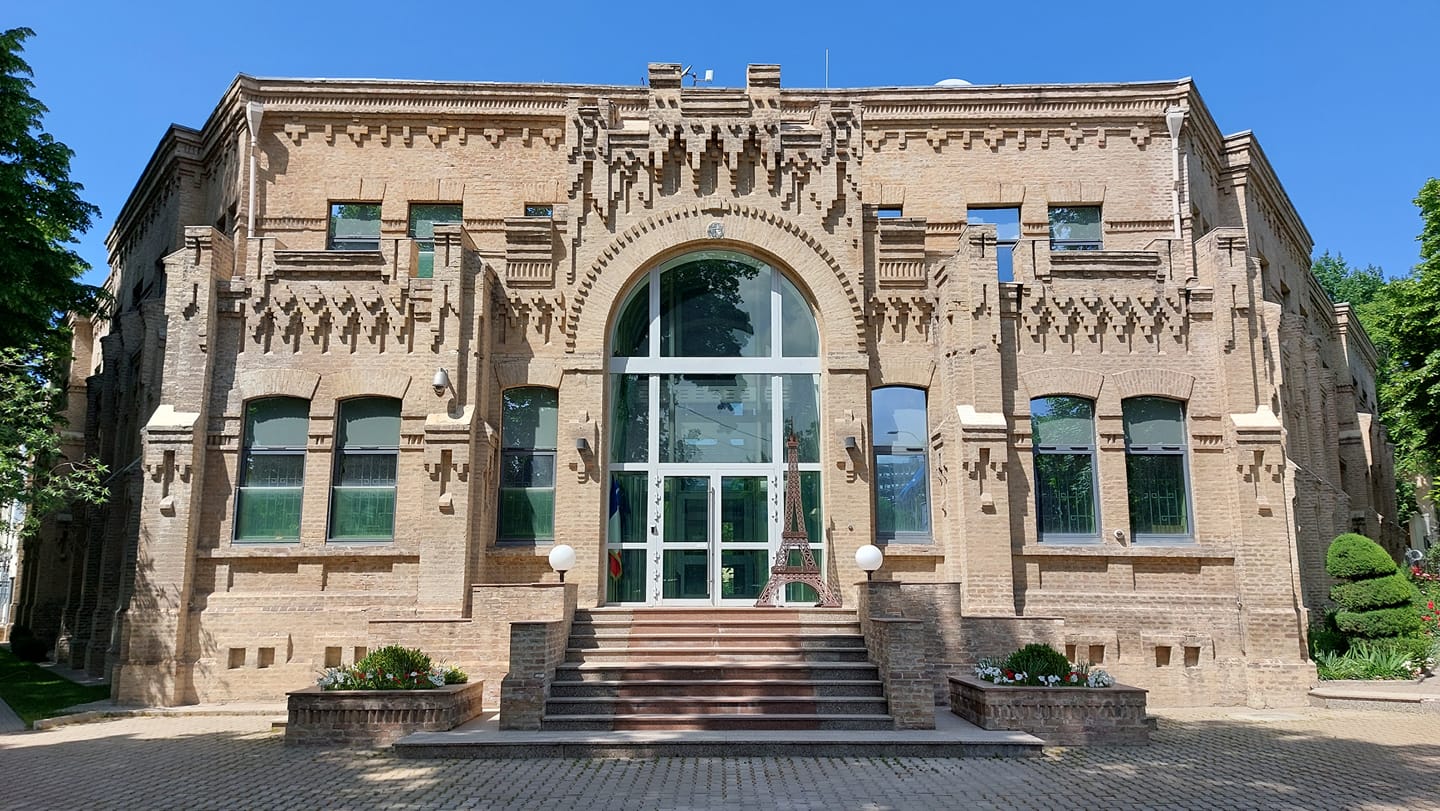
Starting on July 1 the international visa processing firm TLScontact will launch a significantly updated appointment booking mechanism for short-stay French tourist visas in Tashkent. The new digital system is designed to completely eliminate the need for applicants to manually search for available dates by transitioning to a fair automated queue.
TLScontact is a major commercial partner that manages the administrative and biometric aspects of visa applications for various government clients worldwide. By operating over 140 application centres globally the company allows embassies to focus solely on their core decision-making roles. However the high global demand for European travel has frequently made their digital booking platforms a prime target for exploitation.
How the new system works
The updated procedure in Uzbekistan applies exclusively to tourist visas intended for stays of up to 90 days. The booking process for all other categories of French visas remains entirely unchanged.
Under the new framework applicants must create a personal account on the TLScontact platform and complete their initial application form. Once the provided details are thoroughly verified the applicant is automatically placed into an electronic waiting list. As soon as a physical slot becomes available the system will independently assign a visit time and immediately notify the user via email.
Crucially applicants are given a strict 24-hour window to confirm their appointment and pay the required service fee. Failure to complete this final step within the allotted timeframe will result in the immediate cancellation of the booking.
Battling the shadow market
Company representatives explicitly stated that the procedural overhaul is aimed at preventing fraudulent activities, restricting the influence of unauthorised intermediaries and ensuring fair access for all genuine travellers.
The severe shortage of available slots for Schengen visas has been a heavily discussed issue in Uzbekistan. This scarcity has fuelled a highly profitable shadow market where third-party brokers utilise specialised automated software to instantly capture available dates the second they are released. These hijacked slots are then illegally sold to desperate travellers at a premium.
Public frustration surged after TLScontact took over the processing of French embassy documents in March. Prominent local blogger Nikita Makarenko recently highlighted the severity of the situation when attempting to secure a business visa. He publicly called on competent authorities to investigate the automated booking schemes and potential corruption risks plaguing the visa centre.
Echoes of the Nigerian visa crisis
The challenges currently unfolding in Tashkent closely mirror a severe operational crisis TLScontact recently battled in Nigeria. French visa operations in Lagos and Abuja were heavily compromised by identical networks of third-party intermediaries using malicious software to harvest appointments.
In Nigeria the situation escalated to the point where TLScontact had to issue widespread fraud alerts warning citizens against purchasing appointments on the black market. The company revealed that it was actively blocking approximately 15% of all its web traffic because it consisted of automated bots attempting to hoard booking slots. Just as in Uzbekistan the Nigerian crisis left genuine applicants incredibly frustrated and vulnerable to exploitation which forced the global visa operator to implement strict anti-fraud measures to protect the integrity of its booking systems.