Los Angeles prosecutors initiated their preliminary case against David Anthony Burke on Tuesday, displaying graphic photographic records and laying out forensic findings to compel the 21-year-old musician to face trial.
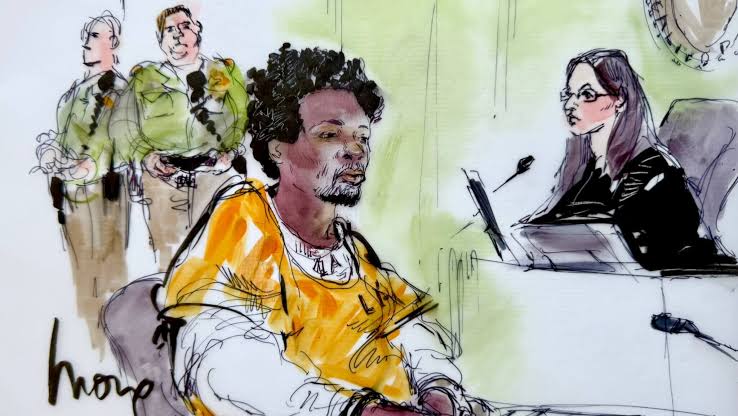
Dressed in prison garments, the performer, known professionally as D4vd, remained secured to a seat under judicial order, despite Judge Charlaine F. Olmedo permitting deputies to unbind his wrists. The defendant maintains his innocence regarding felony counts encompassing capital murder, habitual child sexual abuse involving a minor under 14 and desecration of human remains.
Opening the state’s presentation, prosecutor Beth Silverman placed vivid imagery before the bench depicting the severe decomposition and dismemberment of 14-year-old Celeste Rivas Hernandez. The victim’s parents observed the court proceedings alongside media representatives while investigators detailed the grim timeline.
Los Angeles Police Department detective Joshua Byers recounted how municipal impound workers alerted authorities on September 8, 2025, after noticing a foul odour emanating from an abandoned Tesla Model X belonging to Burke. Inspecting the electric vehicle’s front compartment, officers unearthed a partially unzipped storage bag holding a human torso and skull, while an underlying plastic sack concealed severed limbs.
Testimony further disclosed that the assailant severed two digits from the girl’s left hand, specifically including her ring finger, which allegedly bore a tattoo referencing the singer, with neither digit ever retrieved. State experts also identified synthetic blue micro-particles lodged within knee tissue, pointing to a cleanup operation inside Burke’s residential garage.
Digital trail and alleged motive
State attorneys argue Burke fatally stabbed Rivas Hernandez on April 23, 2025, acting to silence the teenager after she threatened to reveal their illicit intimacy and jeopardise his lucrative recording career.
Following the killing, the artist allegedly utilised the pseudonym «Trayvion Davis» to procure cutting equipment, heavy-duty sacks, a spade, a corpse bag and an inflatable paddling pool via online merchants, funding the transactions with personal credit cards for delivery to his Hollywood residence.
Subsequent physical searches of the premises uncovered two chainsaws alongside the damaged pool, which bore distinct blade marks. Bloodstains collected from the garage floor yielded DNA matching Rivas Hernandez, while the storage bag inside the vehicle mirrored the specific brand ordered online. Flight documentation presented in court indicated the defendant previously secured passage to Texas and London for both himself and the teenager, establishing an extensive travel history prior to her death.
Prior police interactions and video evidence
During the hearing, prosecutors played law enforcement body camera recordings from February 2024, captured when officers questioned Burke during an earlier missing person inquiry. The footage captures the musician light-heartedly asserting he had only met the teenager once in person after connecting online, claiming ignorance regarding her true age.
State prosecutors countered this narrative by citing recovered electronic messages, explicit photography and discussions regarding pregnancy, asserting the pair had been sexually involved for months before that encounter.
The non-jury hearing continues this week as Judge Olmedo evaluates whether the state’s evidence establishes sufficient probable cause to refer the singer for a full criminal trial. Burke remains remanded in custody.