
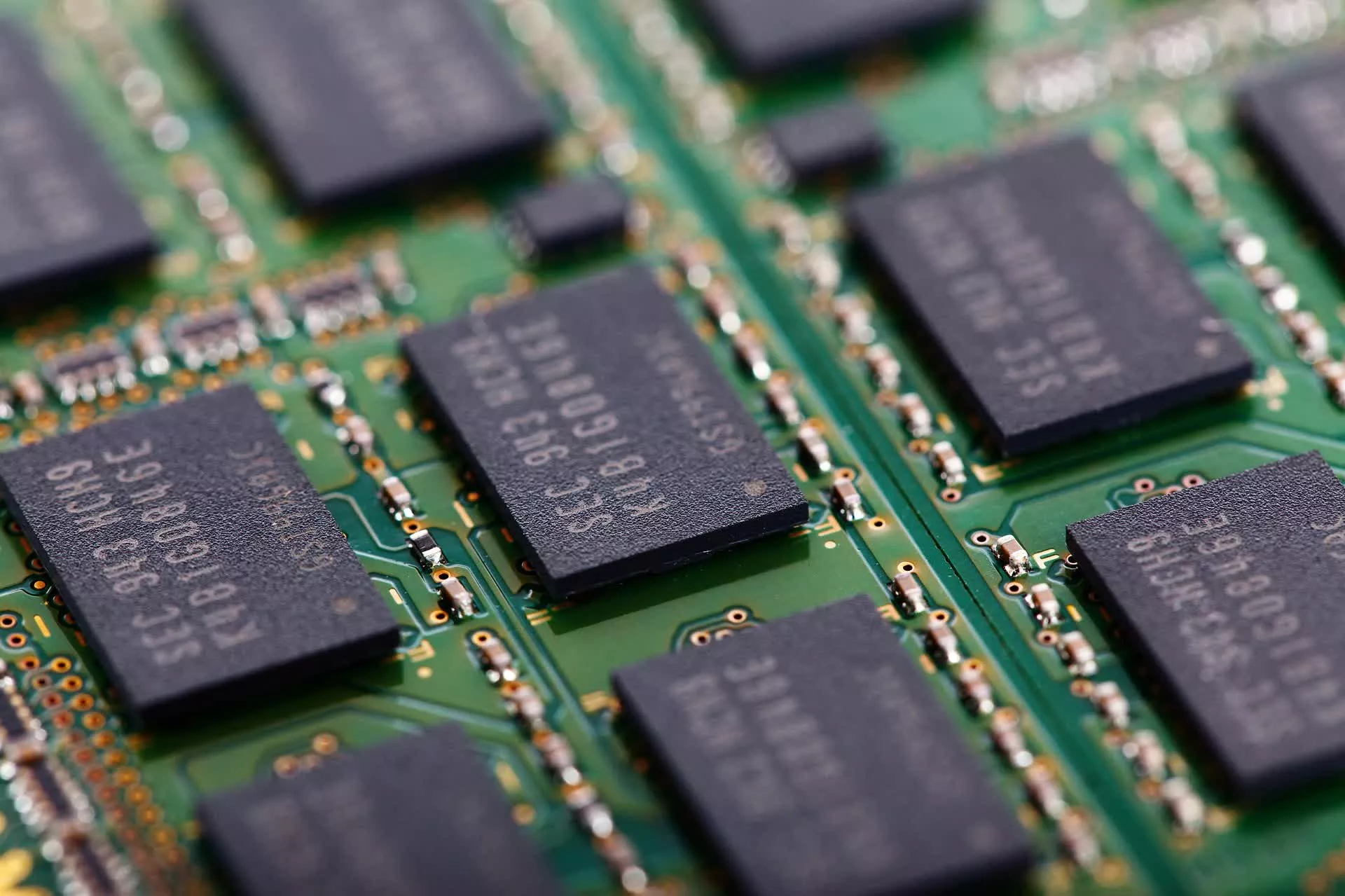
Commodity DRAM prices have jumped more than 80% in the first half of the year, squeezing profit margins for electronics manufacturers. Apple is bearing the brunt of this spike as U.S. government restrictions block the company from sourcing cheaper mobile memory chips from Chinese suppliers.
Apple is actively lobbying Washington to lift these sanctions, arguing the current component costs are unsustainable.
To prevent its major client from successfully pivoting to Chinese alternatives, Samsung is overhauling its manufacturing processes to boost its own commodity DRAM supply. The South Korean tech giant aims to increase production at its Hwaseong factory by 15% before the end of the year.
Samsung will achieve this by consolidating facilities previously scattered across its Cheonan campus and Hwaseong Complex 2 into Hwaseong Campus Complex 1. The reorganisation includes constructing a new end fab, where the final phase of wafer manufacturing takes place, and expanding production lines in the available space.
Previously, unfinished wafers had to be transported between distant sites. By centralising operations, Samsung can transfer materials in bulk to the back-end process line. This strategy improves handling efficiency, accelerates production and ensures a steady flow of parts to keep buyers like Apple away from Chinese competitors.