India’s Cockroach protests spark a second fight over press freedom

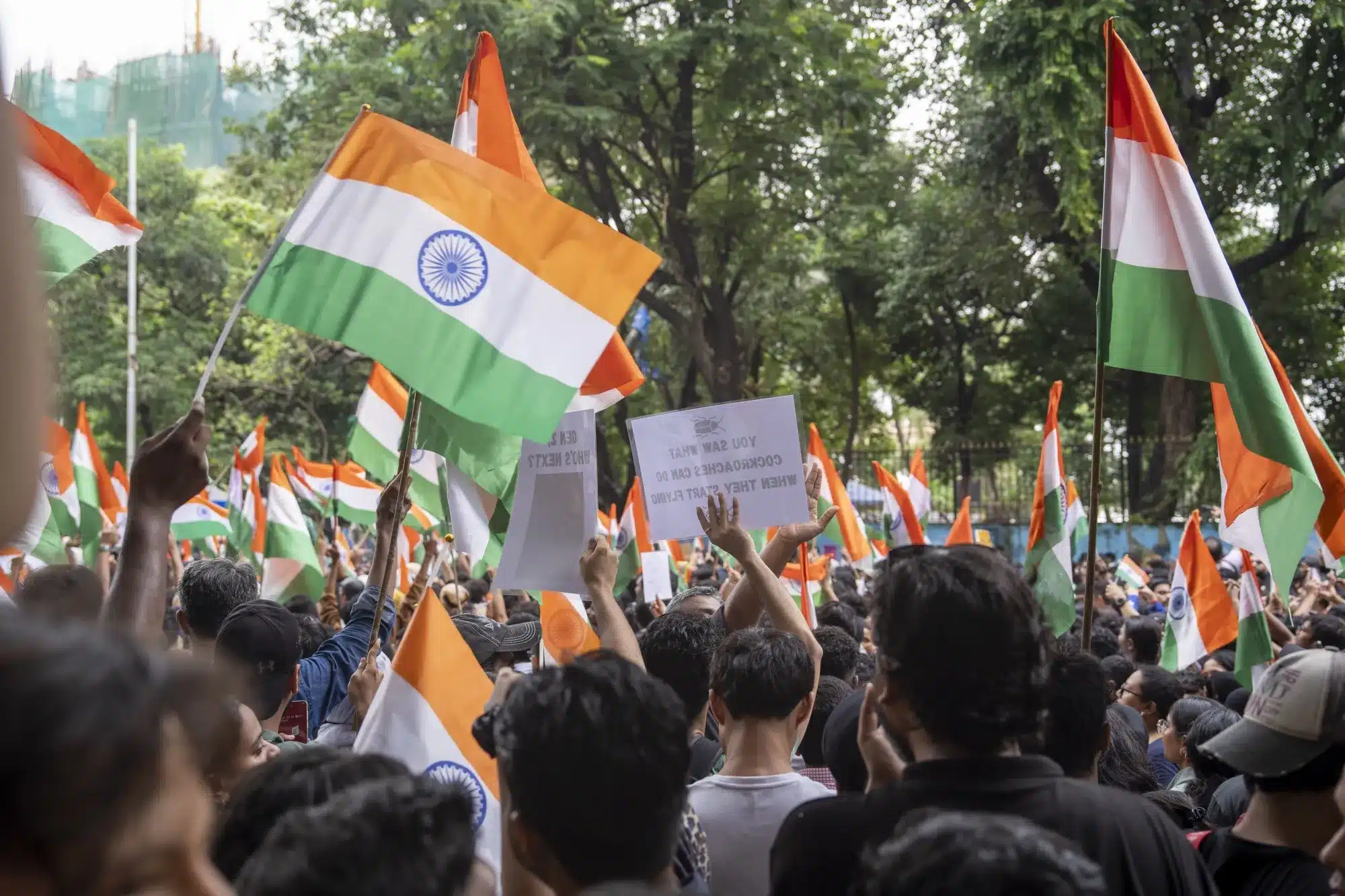
India’s youth-led Cockroach Janta Party (CJP) protests have developed into a wider dispute over civil liberties, as journalists accuse police of targeting reporters covering demonstrations against the country’s election authorities.
On October 13, police detained approximately 20 activists, including CJP leaders Ashutosh Ranka, Saurav Das and Ajinkya Shinde, after they entered Jantar Mantar, a historic protest site in central New Delhi.
The arrests came a day after police removed Jantar Mantar’s designation as an official protest venue and identified three alternative locations.
«If Narendra Modi thinks protests will stop if Jantar Mantar is no longer a designated protest site, he’s mistaken.» – Abhijeet Dipke https://t.co/wF87OJZCox
— News Arena India (@NewsArenaIndia) October 13, 2026
Founded by activist Abhijeet Dipke, the CJP has organised nearly daily demonstrations demanding the resignation of Chief Election Commissioner Gyanesh Kumar over controversial changes to India’s voter lists.
However, the movement’s latest confrontation with authorities has raised another question: whether journalists can report on the unrest without facing detention themselves.
Journalists caught in India’s protest crackdown
Nearly three dozen journalists from publications including The Indian Express, Scroll and Newslaundry were detained for hours while covering demonstrations over the weekend, Reuters reported.
Some journalists said officers confiscated their phones, handled them roughly and detained them despite their press credentials.
Three journalists from The Indian Express Hindi — Shashwat, Siya and Vijay were detained by Delhi Police while reporting in Connaught Place. They were taken to Chhatrasal Stadium and have since been released. LIVE updates: https://t.co/Xfd1ddXisa https://t.co/BvsmsEefGA
— The Indian Express (@IndianExpress) October 11, 2026
Newslaundry reporter Anmol Pritam told Reuters that officers seized his microphone and phone while he was interviewing detained protesters aboard a police bus. He said he was held for nearly three hours.
The Press Club of India and other media organisations condemned the police response and demanded an investigation.
Reporters Without Borders warned that detentions, surveillance and internet restrictions could prevent journalists from documenting demonstrations.
Police previously alleged that some protesters had impersonated journalists and interfered with officers. They did not immediately respond to Reuters’ questions about the reported detentions.
India’s Supreme Court ruled on October 11 that police should not obstruct journalists and lawyers performing their duties. However, reporters alleged that some detentions continued after the ruling.
India currently ranks 157th out of 180 countries in the Reporters Without Borders press freedom index, compared with 133rd a decade earlier.
🚨 Rahul Gandhi pushed a female reporter and a cameraman from One India. When Delhi Police detained so-called fake journalists, the entire left ecosystem was crying, claiming that it is the end of democracy. But now, the same people will remain silent about this incident 💔 https://t.co/xpDgaE5nE5
— TEJASH 🚩 (@Tejashyy) October 12, 2026
What sparked protests?
The demonstrations began over allegations that a nationwide electoral roll revision unfairly removed eligible voters.
More than 130nn names have been deleted from India’s voter lists since the process began last year. Opposition parties claim the changes disproportionately affect Muslims and other minorities and could benefit Prime Minister Narendra Modi‘s ruling Bharatiya Janata Party (BJP).
The Election Commission denies political bias and says eligible voters removed in error can register again. The BJP has also rejected allegations of electoral manipulation.
The CJP initially gained prominence through campaigns over education and employment before turning its attention to electoral reform.