Indonesia names 223 suspects as wildfire haze spreads across Southeast Asia

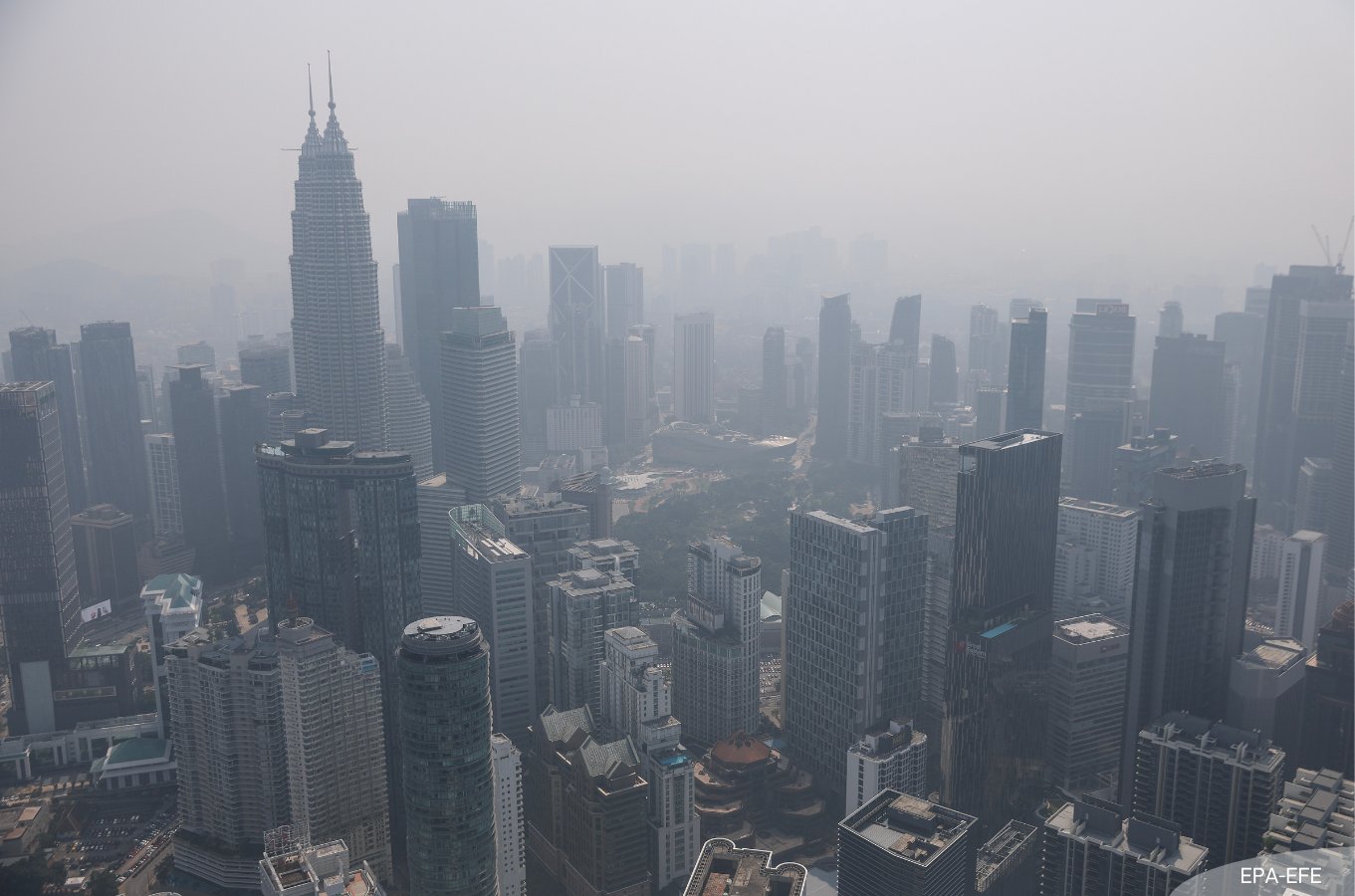
Indonesian police have named 223 people and nine companies as suspects in forest fire investigations as toxic haze spreads across Southeast Asia, disrupting schools and affecting public health in several countries.
The National Police announced on October 14 that they were investigating 273 cases involving more than 5,150 hectares of burned land. Another 25,600 hectares have been linked to cases involving nine companies.
Wildfire smoke has turned skies yellow over Indonesia’s Central Kalimantan province, as peatland fires rage near homes and farms across Borneo and Sumatra. Fuelled by slash-and-burn land clearing, the crisis, now in its third month, has led to tens of thousands of respiratory illness cases and sent toxic haze into neighbouring Singapore and Malaysia. President Prabowo Subianto has ordered more than 60,000 personnel to bolster containment efforts on the ground
— TRT World (@trtworld) October 13, 2026
Riau province recorded the most individual suspects at 65, followed by South Sumatra with 48 and Central Kalimantan with 39.
Authorities have also sealed off 57 business entities over suspected fire-related violations. The Forestry Ministry is pursuing criminal proceedings against 17 corporations, while another 26 have received administrative sanctions.
Which countries and populations are affected?
The fires, concentrated in Indonesia’s Sumatra and Kalimantan regions, have produced thick smoke that has crossed international borders.
The impact has been reported across several Southeast Asian countries:
- Indonesia: More than 170,000 respiratory illness cases were recorded in fire-affected regions by late September, including over 40,000 involving young children.
- Malaysia: Hazardous air pollution has forced school closures in several states, including Sarawak, where authorities declared a local emergency.
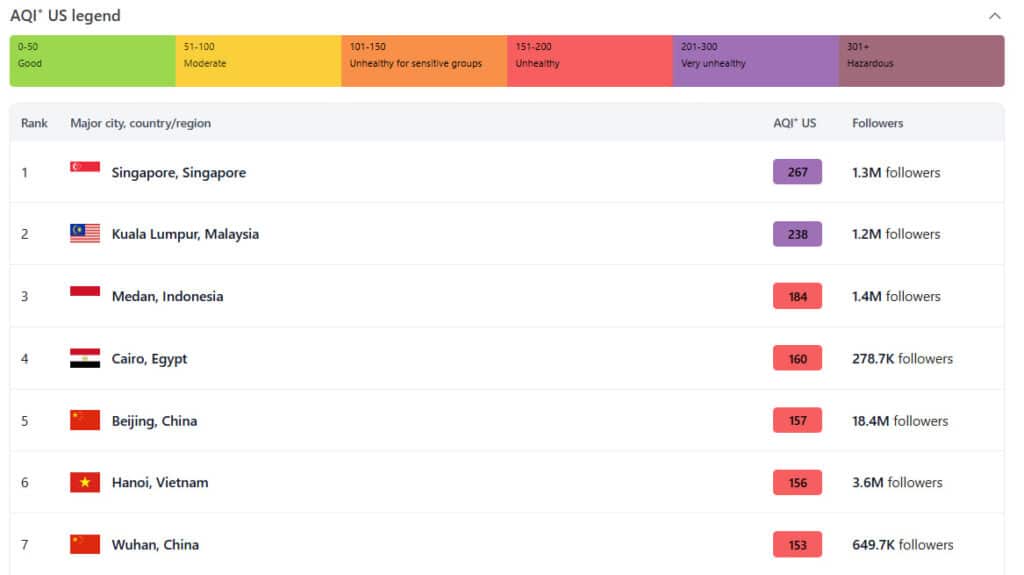
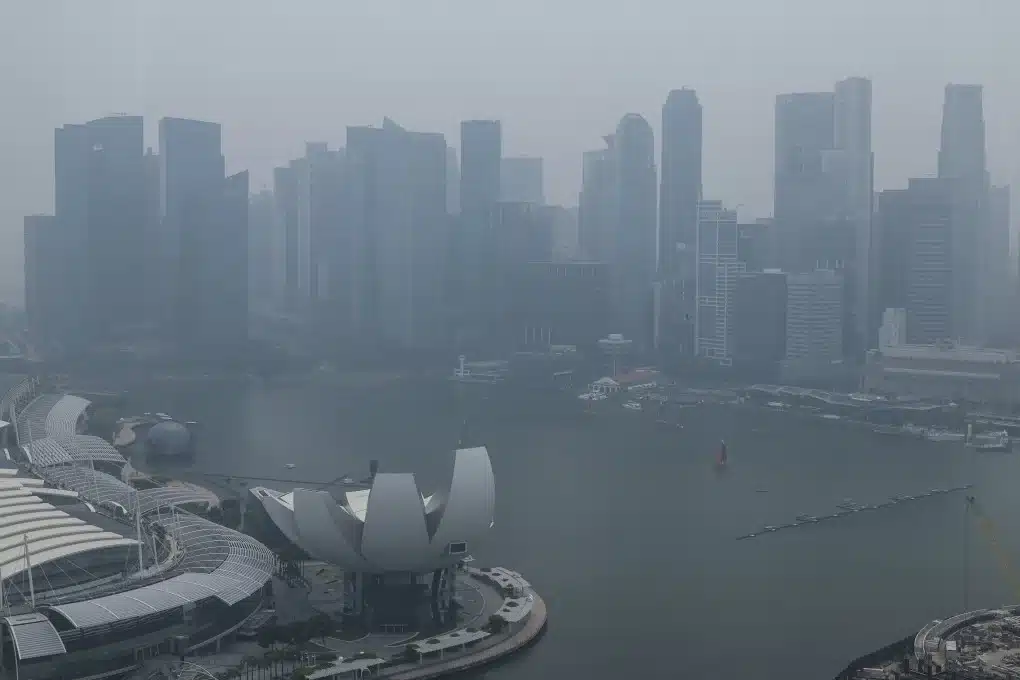
- Singapore: Air pollution reached its highest levels of 2026 on October 14, with fine particulate pollution in the west reaching 284 micrograms per cubic metre.
- The Philippines and Brunei: Both countries have reported deteriorating air quality linked to smoke drifting from Indonesian fires.
- Timor-Leste: Authorities suspended in-person classes for three days beginning October 15 because of severe air pollution.
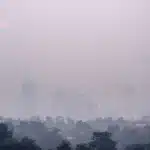
The affected countries have a combined population of more than 400mn, although this does not mean every resident has been exposed to dangerous pollution levels. Authorities have not published a reliable total for the number of people directly affected by the haze.
The smoke contains fine particles known as PM2.5, which can penetrate deep into the lungs. Children, older people and those with existing respiratory or cardiovascular conditions face particular risks.
Why are Indonesia’s forest fires so severe?
Indonesia is experiencing its worst wildfire season in more than a decade, with prolonged drought intensified by the El Niño weather pattern.
This is the oxygen Indonesia sells to us in Malaysia & Singapore. It’s giving major vetiver and patchouli vibes. #Haze https://t.co/7rUl7jXHJE
— Kau Tunggu Jap • (@kautunggujap) October 13, 2026
Many fires occur on peatland, where carbon-rich soil can burn underground for weeks, making the flames difficult to extinguish.
Environmental groups have also linked recurring fires to land clearing for agricultural plantations, including palm oil production.
President Prabowo Subianto has ordered additional resources to tackle the crisis, with more than 69,000 personnel deployed across affected areas.
#IGR: Haze continued to engulf Singapore on Wednesday, October 14, as forest fires burned in neighbouring Indonesia. https://t.co/AEHZFMvvLt
— India Global Review (@IGR_Media) October 14, 2026
Firefighters are using heavy machinery, water wells and cloud-seeding operations to contain the blazes. However, officials acknowledge that sustained rainfall may be necessary to bring the fires fully under control.
Malaysia and Indonesia announced on October 14 that they had begun discussions on joint firefighting operations in Sumatra and Kalimantan.
The haze has persisted for nearly two months, raising pressure on Indonesian authorities to tackle both the immediate fires and the land management practices that contribute to recurring outbreaks.