Trump suspends new Russia sanctions targeting banks, officials and trade

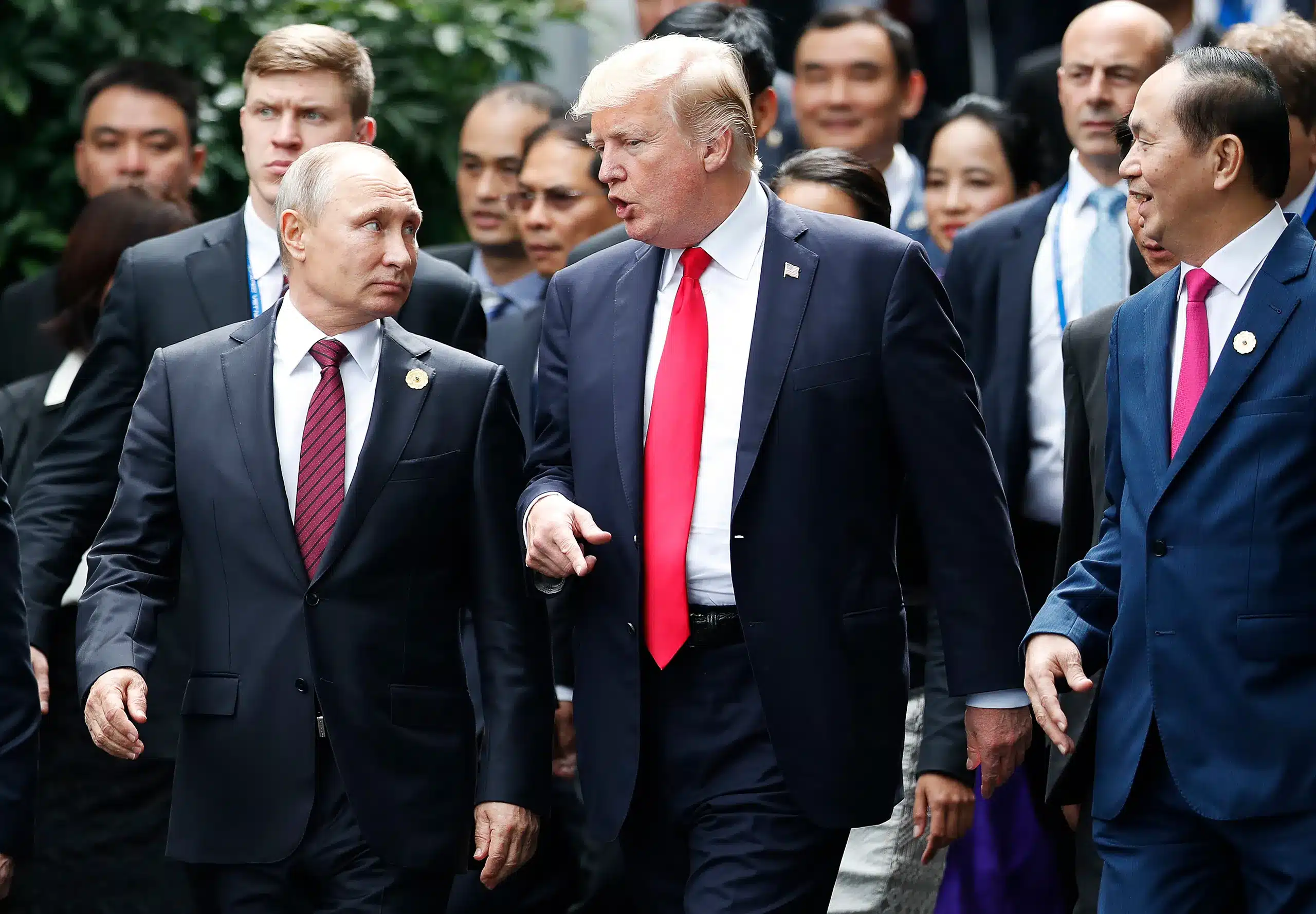
US President Donald Trump has halted a comprehensive package of economic sanctions and tariffs aimed at Russia just two days before the measures were scheduled to take effect.
Through an executive order signed on October 16, Trump waived crucial sections of the Lindsey O. Graham Sanctioning Russia and Iran Act of 2026.
Congress designed the legislation, which the president signed into law on September 18, to intensify economic pressure on Moscow over its ongoing military campaign in Ukraine.
Trump utilised a provision within the law that permits the suspension of penalties if the action aligns with US national interests. The White House submitted the necessary certification to Congress but did not publicly detail the reasoning behind the sudden policy reversal.
Broad exemptions and existing restrictions
The presidential waiver neutralises several severe economic barriers. Notably, it scraps a planned 500% tariff on Russian imports and suspends a 100% duty targeting goods from the five largest foreign buyers of Russian natural gas and crude oil.
The legislation would have heavily penalised Russia’s financial sector. The suspended measures specifically targeted state-owned institutions such as Sberbank, VTB Bank and Gazprombank alongside the Central Bank of Russia. The act also contained mechanisms to punish foreign lenders conducting significant transactions with these designated entities.
Further waived restrictions include measures aimed at Russian government officials, the defence sector and crackdowns on the so-called shadow fleet used to bypass global shipping regulations.
Despite the sweeping exemptions, the executive order does not dismantle all economic barriers. Pre-existing sanctions established under earlier national emergency declarations remain active.
Consequently, Russian individuals and corporations already blacklisted will not automatically regain access to American financial markets.
The suspension follows an agreement between the Trump administration and Moscow regarding Russian diesel supplies, which aimed to alleviate domestic energy prices.
The decision has provoked immediate bipartisan backlash. Lawmakers argue that easing economic constraints provides the Kremlin with vital resources to sustain its war effort.
A bipartisan coalition of senators previously warned the White House that the diesel deal threatened to fatally undermine Washington’s broader sanctions strategy.
While the new penalties are currently dormant, the Graham Act remains US law. The administration retains the authority to revoke the waivers and enforce the restrictions in the future.