How voter turnout helped Lula win Brazil’s 2026 elections

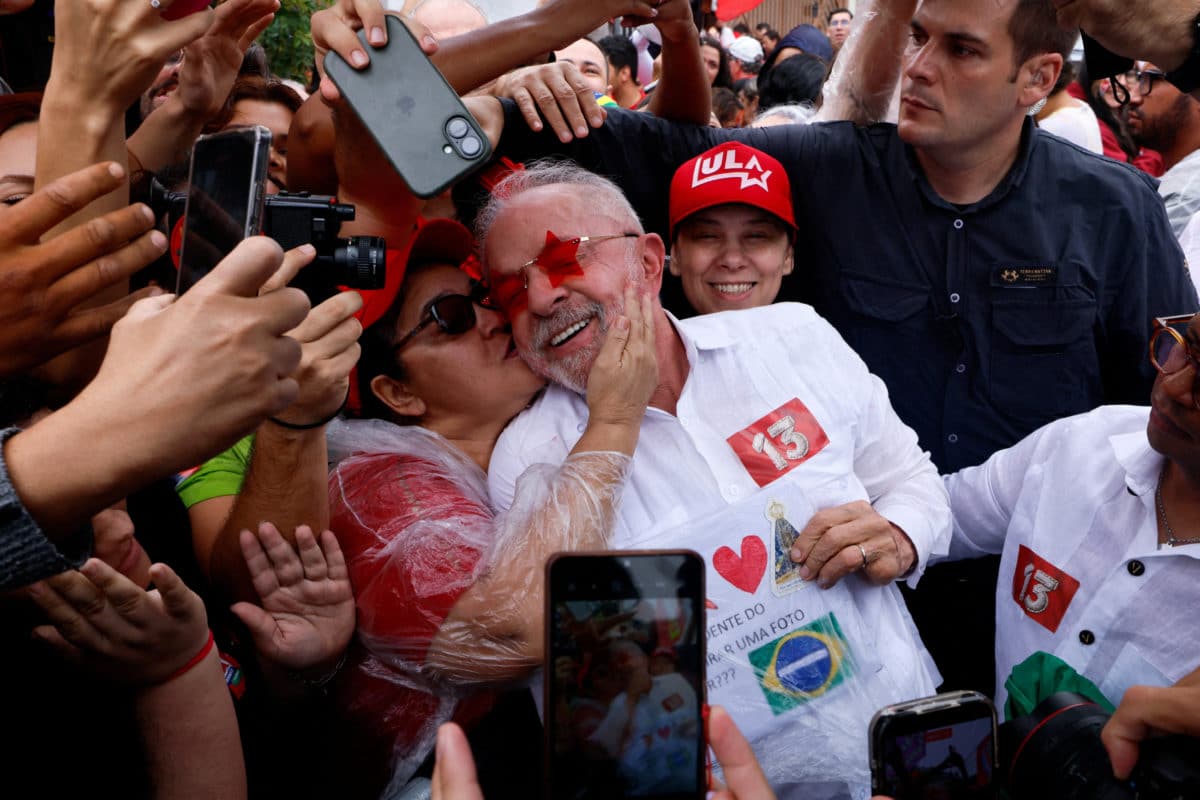
Brazilian President Luiz Inácio Lula da Silva secured a fourth term on Sunday, 25 October, after overturning his first-round defeat in an election marked by higher voter turnout, an intensified online campaign and a dispute over voting procedures.
According to Brazil’s Superior Electoral Court (TSE), Lula received 51.79% of valid votes, or 64.26mn ballots, against 48.21%, or 59.83mn, for Senator Flávio Bolsonaro.
The result represents the first time in Brazil’s democratic history that a presidential candidate who finished second in the opening round has won the runoff.
Three weeks earlier, Bolsonaro had led Lula by approximately 2.2mn votes. By Sunday evening, Lula had reversed that deficit and finished more than 4.4mn votes ahead.
Voter participation played an important role. Abstention fell from 21.08% in the first round to approximately 19.2% in the second, with 128.2mn Brazilians casting ballots.
What changed between the two rounds?
Lula’s campaign intensified its efforts to reach voters both online and in person after the first-round setback.
According to Brazilian news agency Agência Brasil, lawmaker André Janones helped expand the president’s digital campaign by organising a WhatsApp network called Exército de Lula, which brought together more than 10mn participants.
Lula also adopted a more informal social media strategy, publishing selfie-style videos and speaking directly to voters rather than relying exclusively on traditional campaign appearances.
However, the election has not ended the political dispute.
Bolsonaro refused to recognise the result and announced plans to seek its annulment, challenging a Supreme Court decision that extended voting hours by two hours following complaints about transport disruptions and severe weather.
Both campaigns had requested additional voting time for different reasons. Electoral authorities have declared Lula the winner, and Bolsonaro’s objections have not overturned the result.
What happens next?
Lula is expected to begin his new term on 5 January 2027, facing a Congress in which conservative parties retain considerable influence.
His administration will have to negotiate support for its economic programme, including social spending commitments and measures to control public debt.
The president has also promised tighter regulation of digital platforms, accusing them of facilitating foreign interference during the campaign.
Meanwhile, the election leaves Brazil’s conservative opposition facing questions about its future leadership, particularly after Bolsonaro’s decision to contest the result.
For Lula, the immediate priority is translating his electoral comeback into workable parliamentary agreements while the dispute over the runoff continues.
