Israel, unobvious migrant destination for Uzbeks, elects next PM. Here is how it works

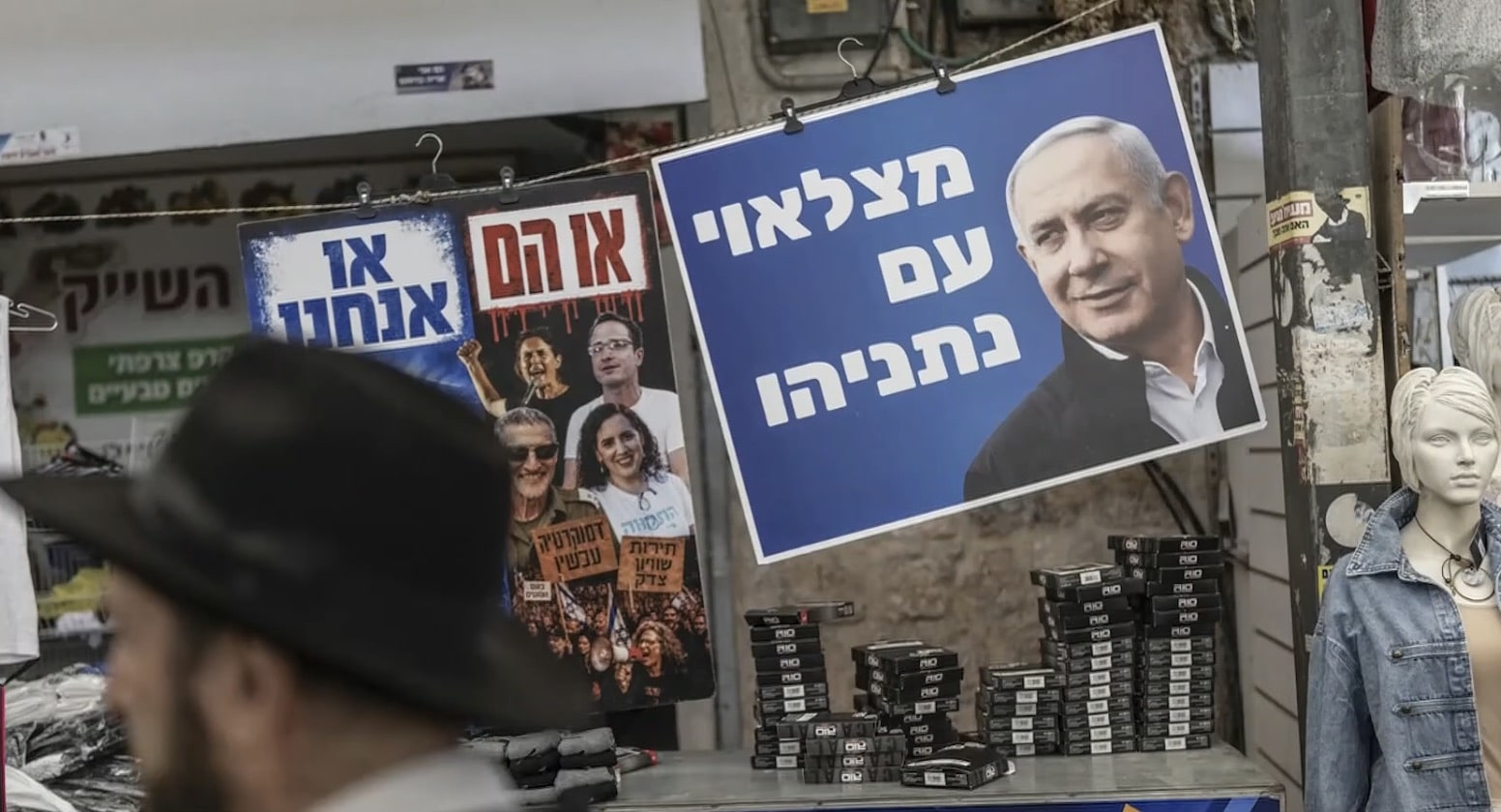
Israelis have been going to polls on 27 October, with neither Benjamin Netanyahu nor his main challenger, former military chief Gadi Eisenkot, projected to secure a governing majority. The outcomes of the closely watched elections will surely be felt beyond Israel’s Middle East surrounds, spilling over onto Central Asian communities.
Polls have opened across the Jewish state this Tuesday in the first election since Hamas-led attacks on 7 October 2023, Israel’s subsequent invasion of Gaza, and the beginning of its war with the US against Iran.
Final Israeli television polls put Netanyahu’s rightwing allies on around 50 seats, with the main opposition camp, led by Eisenkot, at 52–56. Both contenders fall short of the 61 seats needed for an outright majority in the 120-seat Knesset, The Times of Israel reported.
- a majorWhat could change for Central Asian workers?
- Voters choose parties, not a prime minister
- Finding coalition partners is a major hurdle
- What happens after the count?
🚨🇮🇱 BREAKING: Netanyahu just cast his vote in the Israeli election! Around 7.33 million eligible voters are choosing the 120 members of the Knesset in the first parliamentary election since October 7, 2023. The election is widely seen as a referendum on Netanyahu’s leadership, with neither his right-wing bloc nor the opposition led by Gadi Eisenkot projected to secure the 61 seats needed for a majority. Voter turnout reached 16.68% by 10 a.m., the highest early turnout since 1981. Writer: Mhedi https://t.co/9tCbMkDNaJ
— Mario Nawfal (@MarioNawfal) October 27, 2026
What could change for Central Asian workers?
Uzbeks accounted for around one-fifth of Israel’s legally employed foreign home carers, according to a June 2026 analysis in The Diplomat.
More than 95% of Uzbek workers in Israel work in elderly care, meaning that their families are directly affected by migration and recruitment policy.
Netanyahu’s government has expanded overseas recruitment. His government decision from May 2024 upped the potential foreign-worker ceiling to 3.3% of Israel’s population.
The revised quotas do not guarantee jobs or permits for any particular nationality, but demonstrates openness to bring in more workforce from abroad, including Central Asia.
For his part, Eisenkot has advocated admitting vetted Palestinian workers, challenging the government’s broad restrictions. If implemented, that could reduce pressure to recruit overseas in sectors such as construction.
Read more: All too many: Lithuania freezes new work applications from Central Asia
Voters choose parties, not a prime minister
Israelis cast their ballots for party lists, which then negotiate over who leads the country, according to Axios.
The entire country forms one electoral constituency. Seats are distributed proportionally among lists winning at least 3.25% of valid votes, according to the Knesset’s election guide. Votes for parties below that threshold do not translate into seats.
No single party has ever achieved a parliamentary majority. Religious, secular, nationalist, and Arab-led parties compete independently, making coalition-building the most common path to power.
Read more: All Israeli hostages freed in Gaza
Finding coalition partners is major hurdle
Eisenkot’s Yashar party narrowly leads Netanyahu’s Likud in several final polls. But leading the largest party does not automatically give him enough willing allies.
Arab-led parties could supply decisive votes, with some opposition leaders, including Naftali Bennett and Avigdor Lieberman, having ruled out governing with them. Eisenkot has repeatedly refused to serve alongside Netanyahu, closing another potential route to a majority.
Netanyahu, meanwhile, relies on far-right and ultra-Orthodox partners. Military-service exemptions for ultra-Orthodox men are a major dividing line: religious parties demand protections, while Eisenkot promises to end the exemptions.
Small parties hovering around the threshold could shift the balance. A narrow failure to qualify can leave an entire camp with fewer seats than its combined vote suggests.
What happens after the count?
President Isaac Herzog would consult the parties before assigning a lawmaker the task of forming a government. The first candidate normally receives 28 days, with a possible 14-day extension, under the government-formation rules.
A minority government could survive with outside parliamentary support. If negotiations ultimately fail, another election could follow, with Netanyahu remaining caretaker prime minister.
