Coming to speed with the world: Bezhan Abdulloev’s race from Tajikistan to Formula 3.5


The 19-year-old Tajik racer has become the first driver from Central Asia to test a Formula 3.5 car, according to his account, setting multiple records during his debut in China. Kursiv Uzbekistan tells what it’s like to get behind the wheel of a racing car no one in the region has driven before.
Bezhan Abdulloev made his Formula 3.5 testing debut on 24 October at Zhuhai International Circuit in China. Driving a former Red Bull Racing car operated by Champ Motorsport, he recorded a fastest lap of 1:29.947 and finished the day more than 6.5 seconds ahead of the second-fastest driver.
The usual path to Formula 1 runs from Formula 4 through Formula Regional and Formula 3 to Formula 2, with cars becoming faster and more powerful at each level. Formula 3.5 was a separate category between F3 and F2 in performance. Its championship ended in 2017, but the cars are still used for testing.



- How Bezhan Abdulloev got into racing
- The cost of a racing career
- Family support and sponsorship
- What young Central Asian racers need to get started
- The challenges of racing from Tajikistan
- How international teams see Bezhan Abdulloev
- The biggest barrier to reaching Formula 1
- Bezhan Abdulloev sets 10 records in Formula 3.5 debut
How Bezhan Abdulloev got into racing
His journey into single-seater racing began with Formula 4 testing in 2024. That same year, he finished runner-up in a racing championship with four victories and five podium finishes. In 2025, he won the China Racing Karting Championship (CRKC) in the GP MAX KZ2 category, taking six wins across seven rounds.
In an interview with Kursiv Uzbekistan, Abdulloev spoke about how he got into racing, the difficulties of building a career in motorsport from Central Asia, finding sponsors and his plans for the future.

Abdulloev’s fascination with cars began in childhood. When he first tried karting at nine, his initial goal was simply to drive faster. That quickly changed as he started paying attention to racing lines, braking points and the small mistakes that could cost him time.
After each session, he wanted to return to the track and improve. At that stage, becoming a professional driver was not yet part of the plan.
Karting eventually became his main source of racing education, teaching him discipline, racecraft and how to analyse his performance. With limited opportunities to progress through the motorsport ladder in Tajikistan, he had to carve out much of his own way into competition.
His first Formula 4 test was a particularly memorable experience.
«When I got behind the wheel, I could hardly believe it for a moment. I had only seen cars like these on a screen before, and now I was driving one myself.»
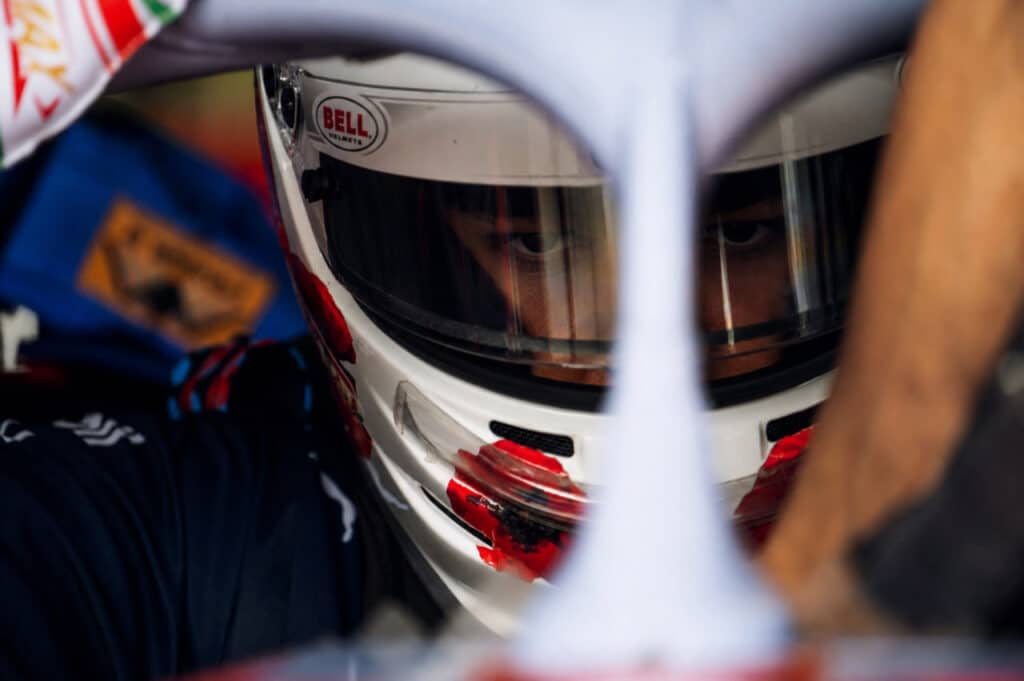
Sitting close to the ground, with the front wheels visible ahead of him, he was struck by the acceleration, braking forces and physical sensations of driving a single-seater.
The excitement soon gave way to concentration. Instead of thinking about the significance of the moment, he began focusing on the next corner and where he could improve.
«With every lap, I thought less about the fact that a dream had come true and more about the next braking point, the racing line and where I could gain time.»
His karting results and subsequent work with teams during testing convinced him that he wanted to pursue racing professionally. Representing Tajikistan gave that ambition an additional purpose.
The cost of a racing career


Motorsport is among the most expensive sports to pursue professionally. Unlike many other disciplines, where promising athletes may enter established development systems relatively early, racing often requires substantial financial backing before a driver can demonstrate their abilities at higher levels.
Abdulloev told that his family covered part of the expenses, while the financial terms of arrangements with partners remain confidential.
He explained that a racing budget goes far beyond entry fees. Drivers must account for training, equipment, travel, accommodation, testing and the services provided by their teams.
Costs also increase considerably as a driver moves from karting to Formula 4.
«The main financial lesson for me has been to plan not just for one race, but for the next stage. One successful outing can open doors, but further progress requires regular practice and competition.»
For Abdulloev, every investment needs to contribute to his development as a driver. A promising test or race result has limited value if there is no funding to maintain that momentum.
Family support and sponsorship

At the beginning of his career, Bezhan Abdulloev relied primarily on his family. He credits his relatives with supporting him through difficult periods and encouraging him when results did not meet expectations.
He also tried to contribute his own savings towards training and competitions.
As his career progressed, securing external backing became an increasingly important part of his work. He now prepares sponsorship proposals, approaches companies and explains what they could gain by supporting a young racing driver.
«At the start, my family was my main source of support. I’m very grateful that they believed in me when this journey was only beginning.»
He sees sponsorship as a professional relationship rather than simply a means of financing a race seat.
In return for backing, a driver must represent the sponsor responsibly, demonstrate progress and build a connection with an audience.
For young drivers without established financial support, however, finding those partners can be as demanding as preparing for competition itself.
What young Central Asian racers need to get started

Asked what budget a teenager from Uzbekistan or Tajikistan would need to begin racing, Abdulloev said there was no universal figure.
A few sessions in a rental kart are vastly different from competing for an entire season in a professional karting championship. The costs depend on the circuit, coaching, equipment, number of sessions and level of competition.
His advice is to start with accessible karting facilities and a coach, rather than immediately committing to an expensive racing programme.
Young drivers should first establish whether they enjoy the demands of the sport, including regular training, reviewing mistakes and working on weaknesses.
«Watching racing and actually doing it are two very different experiences.»
Before committing to a programme, families should request a detailed breakdown of costs from the karting club, including which services are covered and which must be paid for separately.
International competition adds another financial burden, including travel, accommodation, technical support and testing.
Abdulloev also believes aspiring drivers should develop skills outside the cockpit, including physical fitness, foreign languages and communication with teams.
«Move forward step by step. Build up results, learn languages, work on your physical preparation and learn how to communicate with teams.»
A documented record of progress and a realistic plan, he says, are more persuasive to potential sponsors than ambition alone.
The challenges of racing from Tajikistan

For Abdulloev, one of the biggest differences between his experience and that of drivers from established motorsport nations is access.
In countries with developed racing industries, young drivers may have circuits, coaches, teams and competitive championships relatively close to home.
Tajikistan offers far fewer opportunities of that kind, forcing aspiring racers to look abroad.
«The biggest challenge for me has been the distance from the environment where I can regularly train and compete at the level I need.»
Finding suitable programmes, contacting teams and organising international travel have consequently become part of Abdulloev’s responsibilities.
Another challenge involves explaining motorsport to potential sponsors unfamiliar with the industry’s development system.
A company considering supporting a driver needs to understand why testing matters, how teams measure performance and what competing in a particular championship could mean for future opportunities.
How international teams see Bezhan Abdulloev
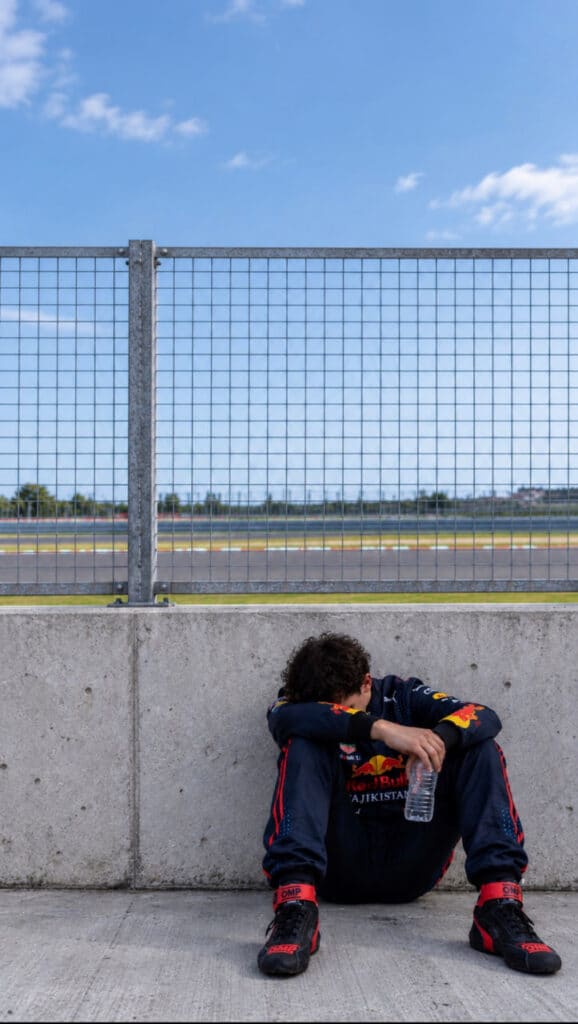
Although Abdulloev has faced challenges because of where his career began, he says his nationality has not directly prevented him from working with international racing teams.
Instead, his background often prompts curiosity.
For many teams, meeting a driver from Tajikistan is unusual, and discussions frequently turn to his home country and how he became involved in racing.
«In my experience, I’ve never been directly refused cooperation because of my citizenship. On the track, what matters most is speed, consistency, technical feedback and the ability to work with a team.»
Budget, however, remains an important factor when teams decide which drivers can join a programme.
Abdulloev also distinguishes between nationality itself and the opportunities available in a driver’s home country. A young racer from a country with established motorsport infrastructure may find it easier to enter championships, meet team representatives and gain regular track experience.
He has had to pursue many of those opportunities internationally.
He also expressed appreciation for the support he receives from Uzbekistan, describing motorsport as another way to connect audiences across Central Asia.
The biggest barrier to reaching Formula 1

Abdulloev has already attracted interest from international racing teams, including invitations to test and proposals involving future racing seasons.
But converting those opportunities into a consistent programme remains difficult.
Asked whether money, experience, results or industry connections posed the greatest obstacle to reaching Formula 1, he identified financing as his most immediate concern.
«At this stage, financing remains the main limitation on my further progress. I’m continuing to gain experience, and there is already interest from European teams. I regularly receive invitations for racing seasons and opportunities to demonstrate my abilities behind the wheel.»
He nevertheless rejects the idea that securing sufficient money would automatically put him on the path to an F1 seat.
Moving through junior single-seater categories requires experience and consistent results against increasingly competitive fields.
Interest from a team is encouraging, but it does not replace proving himself on track.
«I wouldn’t say that money is the only issue left to solve before Formula 1. There’s still a long sporting journey ahead. I need to gain experience, deliver consistent results and prove that I can compete at every new level.»
Bezhan Abdulloev sets 10 records in Formula 3.5 debut
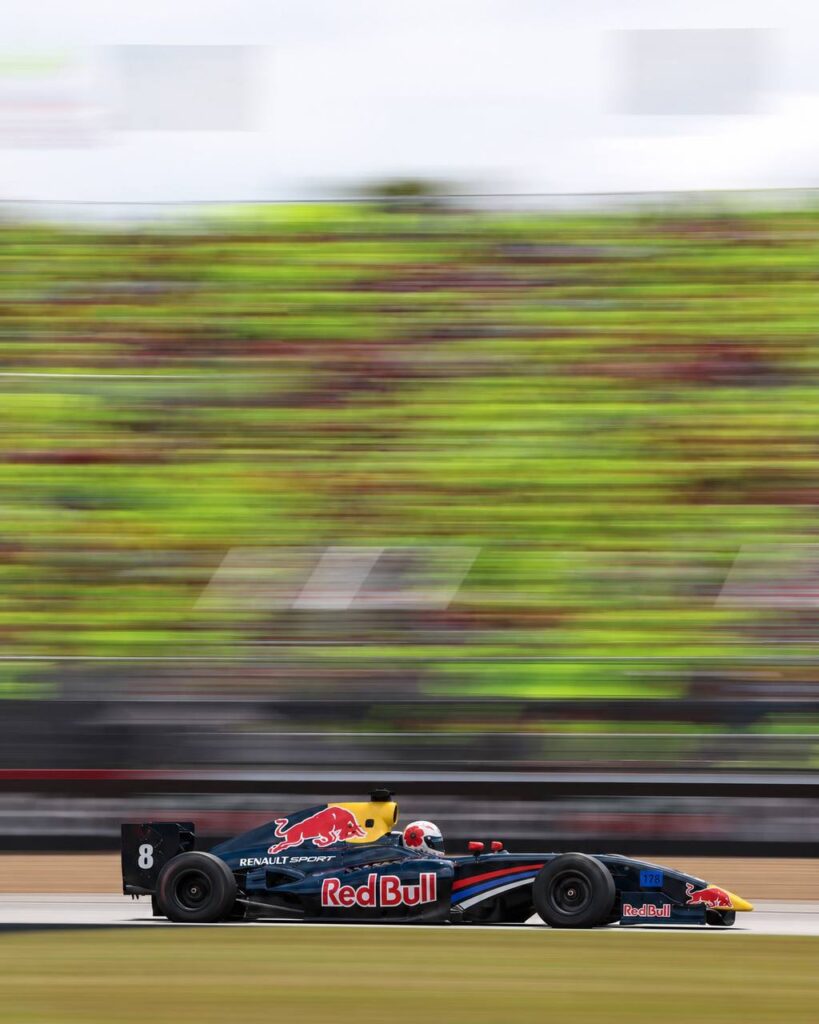
On 24 October, Abdulloev reached another milestone in his racing career, completing his first Formula 3.5 test at Zhuhai International Circuit in China. According to the driver, the outing also made him the first racer from Tajikistan and Central Asia to drive Formula 3-level machinery.
He drove a former Red Bull Racing car operated by Champ Motorsport and improved throughout the day. He recorded a personal best of 1:29.947 in the third attempt. Abdulloev said he finished the day in first place, more than 6.5 seconds ahead of the second-fastest driver.
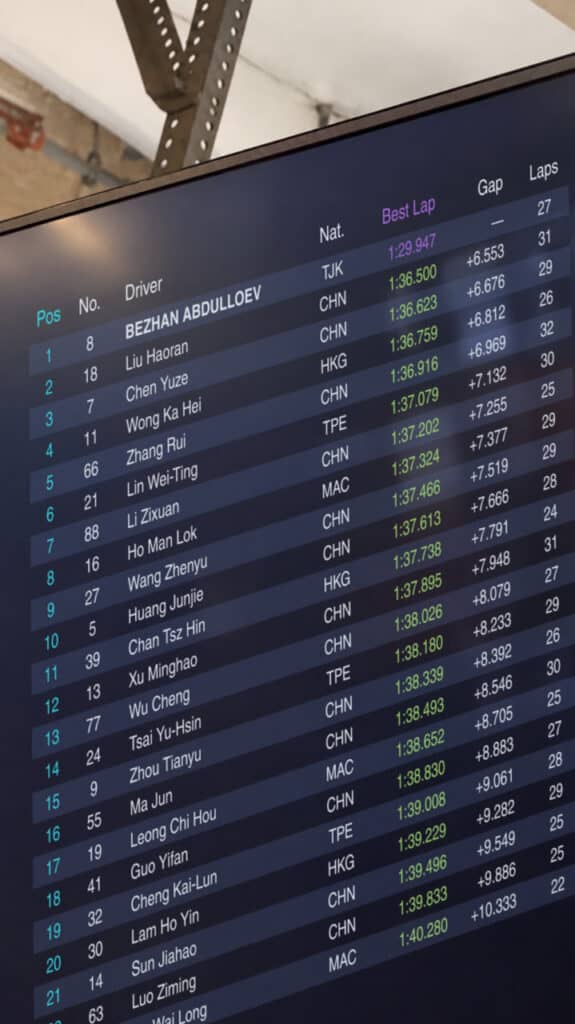

His performance also surpassed the historical qualifying benchmark of 1:30.195 set by former Formula 1 driver Karun Chandhok at Zhuhai. According to Abdulloev, he broke ten records and performance benchmarks in a single day, including the team’s previous best time and the benchmark set by its most experienced driver.
«The sessions went even better than I could have expected. What matters most to me is that all of this happened on my very first day getting to know the car.»
Abdulloev said the team’s engineers were particularly impressed by how quickly he adapted to the unfamiliar machinery. Former Formula 1 Minardi / Arrows race engineer Greg Wheeler compared his performance to that of Max Verstappen and assessed him as ready for Formula 3, potentially even Formula 2.



Beyond his personal ambitions, Abdulloev hopes his achievements will encourage more young drivers from Tajikistan, Uzbekistan and neighbouring countries to pursue motorsport.
His ultimate ambition remains Formula 1, but his immediate priority is to turn his testing performances into a competitive racing programme and demonstrate his abilities at the next level.
